





How Telematics Shape Buyer Decisions with Heavy Equipment Suppliers
Telematics is not a luxury feature anymore and it is a necessity in the heavy equipment sector. It links machines to digital platforms where it captures information concerning usage, performance and condition. To the buyers, it implies that they do not have to use guesswork when making big-ticket decisions anymore. All the information such as fuel efficiency, service history are at their fingertips. This openness has altered the manner in which consumers relate with providers and determine which equipment suits their business.
[edit] The importance of Data Transparency to Buyers.
The customers of today do not want to make a promise without having clear and assured information. Telematics gives them the real time information on the engine hours, idle time, fuel consumption and the maintenance records. With this information buyers are able to know whether the machine has been overworked or maintained properly. It also makes them assured that they are paying an equipment that satisfies them. Openness creates confidence and this is essential in an industry where the level of investment is high and time loss may be expensive.
[edit] Creating Distrust between Echelon and Providers.
The trust is a very important aspect in the deal of equipment and telematics enhances this trust. Suppliers who provide telematics reports demonstrate that they are open to nothing. This would give buyers more confidence since what they are getting is the information provided by the machine itself not the words of a salesperson. Such openness leads to repeat business and long-term relationships. It eliminates uncertainty, minimizes negotiation on condition and provides a basis on which both parties strive towards achieving a common objective of reliable and productive equipment.
[edit] Improving the Accuracy of Valuation of Equipment.
It may be difficult to value used heavy machinery without objective information. Telematics renders this process more impartial and more accurate. Suppliers are able to charge according to what the machines are actually performing and not according to the age or through the market average. This is beneficial to the buyers since they are assured that they are paying a price that is calculated not merely an estimation. This scientific approach to pricing gives the buyers and the suppliers some assurances about the result and builds a healthier market.
[edit] Anticipating Future Maintenance Requirement.
The capacity to predict the services is considered as one of the most important advantages of telematics. Through reports of telematics, buyers are able to predict the type of maintenance that will be needed in the nearest future. This understanding can assist them to set up the possible costs and organize work without interfering with their projects. Being familiar with future maintenance requirements also enables the buyers to bargain in a strong position since they can consider such costs in their buying process even prior to settling a business deal.
[edit] Lessening the risk on first time buyers.
To new consumers joining the market through telematics, telematics serves as a backup mechanism. They could be inexperienced when it comes to identifying wear-and-tear or unintentional mechanical malfunctions, and telematics can supply that objective data. First-time customers need not be afraid that the history of a machine is recorded and confirmed. This helps to minimize the chances of nasty surprises once the purchase is made and confidence in the buying process is created. It also promotes an increased number of new entrants in the investment in used heavy equipment to the extent that they are less hesitant.
[edit] Telematics Competitive Advantage with Suppliers.
The active implementation of telematics in the sale by heavy equipment suppliers creates a clear advantage. More buyers are attracted towards them as they are more transparent, accurate and reliable. Suppliers who operate on the basis of telematics demonstrate their willingness to assist customers in making informed decisions as opposed to imposing a sale on them. This initiative strategy creates better brand reputations and loyalty towards customers. When suppliers adopt telematics, transactions are quicker, disagreements are reduced, and repeat customers are gained through pleased customers.
[edit] The Future of Telematics-based Equipment Trade.
The Telematics technology will also become more advanced and provide buyers with further understanding of the performance and efficiency of the machine. Artificial intelligence and predictive analytics will assist in forecasting possible failures even before they occur, which will save time and money. With the introduction of telematics as a norm in the industry, consumers will demand that all suppliers offer access to such information. Quick adopters will be successful, and resistant ones will lose their credibility. The future of heavy equipment purchasing is digital, data-driven and has never been as connected as ever.
[edit] Enhancing the after-sale services using Telematics.
Telematics is not simply a useful tool in the purchasing process only, but in the after sales service as well. Telematics also goes on to offer useful information on performance, service schedules, and operating efficiency to the buyer once he or she acquires the machine. This information can be utilized by the suppliers to provide proactive maintenance schedules and technical assistance to the buyer, through minimizing the downtime. This continuous contact builds the bond between supplier and buyer since the supplier is willing to work towards the success of the buyer even after the sale has been finalized. This will be an inducement that will make a one time purchase a long term business relationship.
Featured articles
Check out some of the best features and news from Designing Buildings as well as key stories from around the web.
Listed structures on the rail network
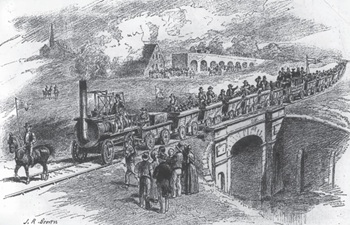
Heritage interests and operational requirements must be balanced.
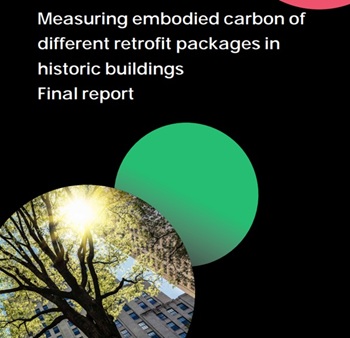
Historic England publishes research into embodied carbon when retrofitting traditional buildings.

New Prime Minister delivers on ECA call for cut in electricity costs.

CIOB reacts to the announcement of Andy Burnham as Prime Minister.

Heritage and conservation science workforce survey - Have your say.

England's Suburbs 1820-2020. Book review.

New, more proportionate and targeted approach for higher-risk building assessments.

Government brings British Steel into public ownership.

UKCW Birmingham returns with bold new theme and focus.
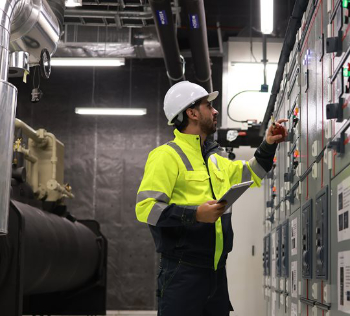
New guidance published on competence requirements for self-certification schemes.
Construction Management, 8 July

NEETs crisis drives interest in trades, but apprenticeships barriers remain.
Passive fire protection webinar

MEP services penetration seals.