





Heat Networks (Scotland) Bill

Contents |
[edit] Introduction
On 23 February 2021, the Heat Networks (Scotland) Bill was passed unanimously by the Scottish Parliament. This legislation was designed to help cut emissions, reduce fuel poverty and create green jobs by accelerating the deployment of heat networks.
Scotland is the first country in the UK to legislate to support the growth of heat networks, through which clusters of homes and businesses get heating from a central source rather than individual boilers - ideally making it safer and more efficient for customers.
[edit] Overview
The Heat Networks (Scotland) Bill creates a licencing system to drive up standards across the sector and encourage consumer confidence. It also establishes rights for heat network developers and operators to compete with other utilities in order to make investment in the sector more attractive and encourage further growth.
A consent system will be introduced to make sure that new networks are developed in areas where they will have most benefit and are tailored to its needs.
It is estimated that heat networks will reduce greenhouse gas emissions by the equivalent of 90,000 cars by 2050 and generate annual fuel savings of around £130 for every household that connects to a heat network.
[edit] What are heat networks?
Heat networks are made up of insulated pipes and central heat generation systems which make heat in the form of hot water or steam that is distributed to a number of local end users.
Heat networks are often:
- More efficient than more conventional heating systems.
- Run from renewables, recovered waste or surplus heat sources.
- Allow the heat source to be changed without disrupting the user’s supply.
Up until the passage of the Bill, the heat network sector was not regulated. The Bill puts in place regulations relating to:
- Making applications.
- Identifying exemptions.
- Granting licences.
- Setting up heat network zones.
All public sector building owners will need to assess their buildings to check if they are suitable to connect to a heat network.
[edit] Government statements
Scotland’s Energy Minister Paul Wheelhouse said, “Heat networks have huge potential to reduce emissions in our homes and buildings by providing more efficient, environmentally friendly solutions. The Heat Networks (Scotland) Bill unlocks this potential and marks the beginning of what will be a period of transformational change in how we heat our homes and business premises.
“Heat networks fit the profile of the sort of project that can make a significant, near-term contribution to our green [post-pandemic] recovery while providing long-term employment in local communities. The development of this sector will, crucially, provide ongoing support to achieve our target to reach net zero greenhouse gas emissions by 2045.
“Scotland has the most ambitious legislative framework for emissions reduction in the World, which is why we have also, through this Bill, set stretching targets for the expansion of heat networks to ensure that we build early momentum and give as much clarity to potential suppliers as we can.”
Detailed guidance and regulations required to implement the Bill will continue to be developed.
[edit] Related articles on Designing Buildings Wiki
- Achieving net zero in social housing.
- Carbon Neutral Islands.
- Community energy network.
- Community heating.
- District energy networks.
- Heat Networks Investment Project HNIP.
- Heat sharing network.
- Scotland publishes plans to reach net zero targets with Heat in Buildings Strategy.
[edit] External resources
- Scottish Government, Explanatory Notes.
Featured articles and news
Costs and insolvencies mount for SMEs, despite growth
Construction sector under insolvency and wage bill pressure in part linked to National Insurance, says report.
The place for vitrified clay pipes in modern infrastructure
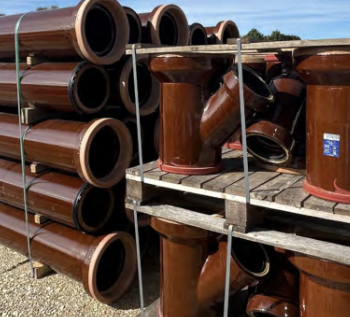
Why vitrified clay pipes are reclaiming their role in built projects.

Research by construction PR consultancy LMC published.
Roles and responsibilities of domestic clients

ACA Safety in Construction guide for domestic clients.
Fire door compliance in UK commercial buildings

Architect and manufacturer gives their low down.
Plumbing and heating for sustainability in new properties
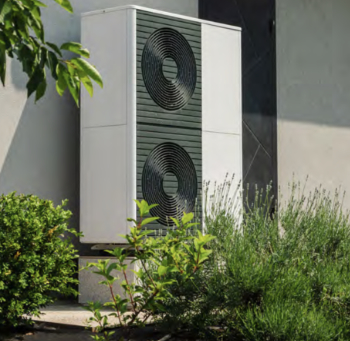
Technical Engineer runs through changes in regulations, innovations in materials, and product systems.
Awareness of the Carbon Border Adjustment Mechanism
What CBAM is and what to do about it.
The new towns and strategic environmental assessments
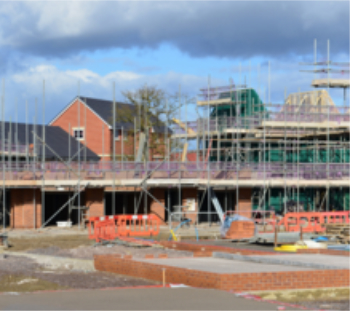
12 locations of the New Towns Taskforce reduced to 7 within the new towns draft programme and open consultation.

Buildings that changed the future of architecture. Book review.
The Sustainability Pathfinder© Handbook
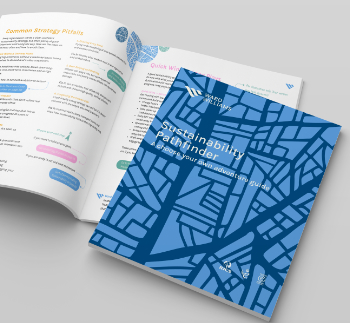
Built environment agency launches free Pathfinder© tool to help businesses progress sustainability strategies.

Government outcome to the late payment consultation, ECA reacts.
IHBC 2025 Gus Astley Student Award winners

Work on the role of hewing in UK historic conservation a win for Jack Parker of Oxford Brookes University.
Future Homes Building Standards and plug-in solar
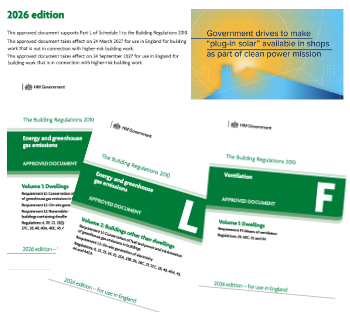
Parts F and L amendments, the availability of solar panels and industry responses.
How later living housing can help solve the housing crisis

Unlocking homes, unlocking lives.
Preparing safety case reports for HRBs under the BSA

A new practical guide to preparing structural inputs for safety cases and safety case reports published by IStructE.
Male construction workers and prostate cancer

CIOB and Prostate Cancer UK encourage awareness of prostate cancer risks, and what to do about it.