






Main author
Michael BrooksGriffith Observatory, LA

Contents |
[edit] Introduction
Griffith Observatory is an observatory facility on the south-facing hillside of Mount Hollywood, in Los Angeles, California. With its unique setting, Art Deco architecture, and commanding views of the Los Angeles Basin, the observatory is one of the most recognisable and popular landmarks in California.
The observatory was conceived by Griffith J. Griffith, who donated an area of land to the City of Los Angeles in 1896. As Griffith became something of a notorious figure – he served time in jail for murdering his wife – the City were reluctant to develop the land during his lifetime. In his will, Griffith left funds to build an observatory, exhibition hall and planetarium on the donated land, with the intention of making the science of astronomy accessible to the wider public.
Since opening in 1935 – only the third observatory with a planetarium in the world - the observatory has become one of Los Angeles’ most popular tourist attractions.
[edit] Design and construction

The observatory design was based on plans created by the astronomer Russell Porter, who envisaged a domed facility with rooftop views.
In 1931, architects John C. Austin and Frederick Ashley were appointed to the project, with Porter retained as a consultant. The Art Deco design was a combination of grand and monument styles, part Roman temple, part Moorish mosque or mausoleum.
Construction began in 1933, as a New Deal Works Progress Administration (WPA) project, with the Depression meaning that building materials and labour were both cheap and readily available. The architects ensured that they specified materials that were obtainable in Los Angeles or the vicinity, to help local industry and employment.
In March 1933, as construction plans were being finalised, a major earthquake in the Long Beach area led to the abandoning of the planned terra cotta exterior in favour of stronger and thicker concrete walls. The walls were then painted ‘warm white’ with decorative iron-grill windows.
The domes consist of copper panels, which have over the years oxidised to a bright green colour. A walkway around the planetarium is crowned with concrete arches, influenced by Art Deco as well as Greek Revival styles.
The construction was completed to a cost of only $400,000.
[edit] Post-completion
In 2002, the observatory was closed for major renovation and expansion works, before reopening in 2006. The Art Deco exterior was retained unchanged, but the planetarium dome was replaced and a full restoration completed at a cost of $93 million. The observatory was expanded below ground, with new exhibits, a café, gift shop and theatre space.
Due to its prominent location near the Hollywood sign, the observatory has made numerous film and TV appearances. The most iconic of these is the 1955 film ‘Rebel Without a Cause’. A bust of the film’s star James Dean was subsequently placed in the west side of the grounds.
[edit] Find out more
[edit] Related articles on Designing Buildings Wiki
Featured articles and news
Costs and insolvencies mount for SMEs, despite growth

Construction sector under insolvency and wage bill pressure in part linked to National Insurance, says report.
The place for vitrified clay pipes in modern infrastructure
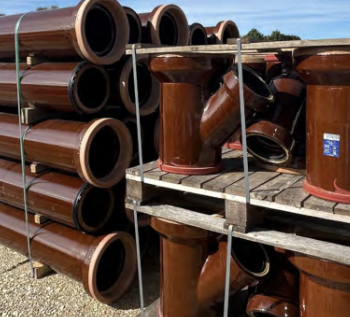
Why vitrified clay pipes are reclaiming their role in built projects.

Research by construction PR consultancy LMC published.
Roles and responsibilities of domestic clients

ACA Safety in Construction guide for domestic clients.
Fire door compliance in UK commercial buildings

Architect and manufacturer gives their low down.
Plumbing and heating for sustainability in new properties
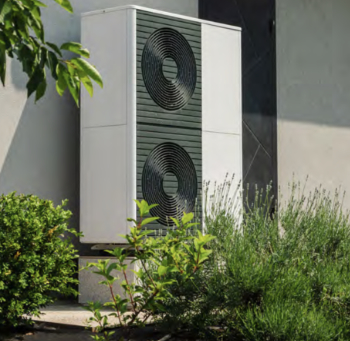
Technical Engineer runs through changes in regulations, innovations in materials, and product systems.
Awareness of the Carbon Border Adjustment Mechanism
What CBAM is and what to do about it.
The new towns and strategic environmental assessments
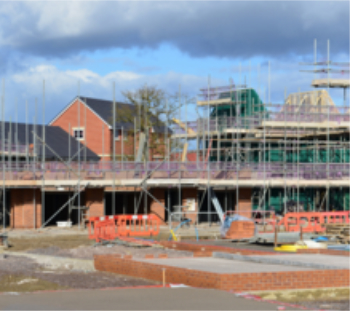
12 locations of the New Towns Taskforce reduced to 7 within the new towns draft programme and open consultation.
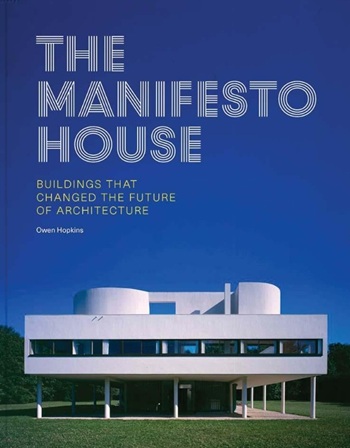
Buildings that changed the future of architecture. Book review.
The Sustainability Pathfinder© Handbook
Built environment agency launches free Pathfinder© tool to help businesses progress sustainability strategies.

Government outcome to the late payment consultation, ECA reacts.
IHBC 2025 Gus Astley Student Award winners
Work on the role of hewing in UK historic conservation a win for Jack Parker of Oxford Brookes University.
Future Homes Building Standards and plug-in solar
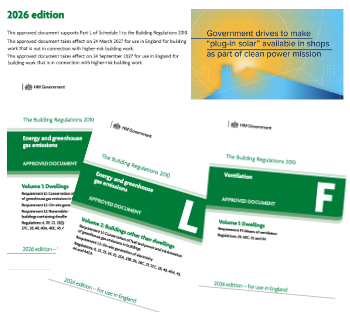
Parts F and L amendments, the availability of solar panels and industry responses.
How later living housing can help solve the housing crisis
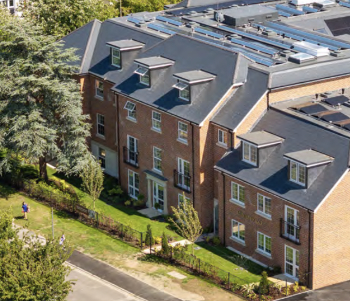
Unlocking homes, unlocking lives.
Preparing safety case reports for HRBs under the BSA
A new practical guide to preparing structural inputs for safety cases and safety case reports published by IStructE.
Male construction workers and prostate cancer

CIOB and Prostate Cancer UK encourage awareness of prostate cancer risks, and what to do about it.