





Flood defences
At the launch of Future flood prevention, a report calling for changes to flood management in England to tackle the rising threat posed by climate change, Neil Parish, Conservative MP for Tiverton and Honiton, said, "Some five million people in England are at risk of flooding. Winter 2015-16 broke rainfall records. Storms Desmond, Eva and Frank disrupted communities across northern parts of the UK, with Desmond alone costing the UK more than £5 billion.
Flood defences are used to prevent or control the potential negative effects of flood waters. Traditional methods of flood defence, such as the planting of vegetation to retain water and constructing channels (floodways), have been used throughout history. More modern flood defences can include:
- Dams.
- Diversion canals.
- Floodplains and groundwater replenishment.
- River defences, e.g. levees, bunds, reservoirs, weirs, and so on.
- Coastal defences, e.g. groynes, sea walls, revetments, gabions, and so on.
- Retention ponds.
- Moveable gates and barriers.
Temporary flood defences are systems that can be brought to specific problem sites to provide flood defence as required. They can then be removed until needed again, either at the same or a different location. They have no fixed foundation other than the ground on which they are based with perhaps minor pre-prepared modifications to ensure proper stability or performance of the equipment.
They might include:
Temporary barriers generally do provide the same level of protection as permanent defences and typically have failure rates of 20-30%, although this can be reduced by good advanced planning.
For more information see: Temporary flood defences.
[edit] Related articles on Designing Buildings
Featured articles
Check out some of the best features and news from Designing Buildings as well as key stories from around the web.
Building Safety Act implementation in Wales

CIAT to host industry panel on 26 June.

New and updated CLC building safety guidance.
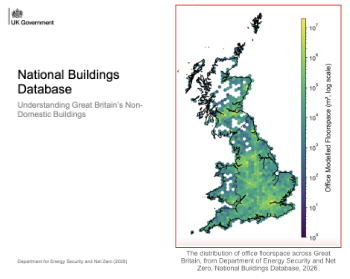
New UK National Buildings Database.
Building Safety Wiki Interviews

Chief executive of the British Woodworking Federation.
Planning condition discharge in England and Wales

A brief explanation from a building compliance expert, with further links.
Overheating guidance and tools for building designers

Guidance for dealing with element of building fabric control that have increasing importance.
Shading for housing, a design guide

From the Good Homes Alliance and British Blind and Shutter Association.
UK Standard Skills Classification (SSC)

A shared framework for describing skills needs.
Social media ban consultation comes to close

CIOB urges UK Government to consider social media’s role in careers guidance in ban debate.
The latest of eight Skills England apprenticeship units

The addition of battery manufacturing welcomed by ECA with a warning about the risks of fast-tracked apprenticeship units.
Building Control Independent Panel final report
A precis of a key report led by Dame Hackitt with full recommendations and link to the government response.
Comments