






East West Metro Tunnel, Calcutta

At least two unique features describe the much awaited underground railway connection between Calcutta (Kolkata) and Howrah, two large cities situated on either side of River Hooghly.
The idea was put forward by a Bengal-born British engineer Sir Harley Hugh Dalrymple-Hay in 1921, and its twin tunnels under River Hooghly are the first of its kind in India.
It has taken almost a century to realise Sir Dalrymple-Hay concept, and it is expected that the East West Metro Railway will have a significant and far reaching impact on Calcutta's transportation system in years to come and the way people commute between these two congested city centres.
In June 2017, 30 members from the ICE Kolkata Chapter visited the tunnels under construction.

The East-West Metro Corridor Project connects the East of Kolkata (Salt Lake Sector-V, Kolkata's IT Hub) with the west end, i.e, Howrah (Kolkata's twin city).
The whole project is being executed by Kolkata Metro Railway Corporation Limited (KMRCL) with partial financial support from JICA.
The entire stretch is divided into three parts:
- UG-1 (underground portion from Howrah Maidan to New Mahakaran).
- UG-2 (underground portion from Esplanade to Subhash Sarobar).
- Elevated portion from Subhash Sarobar to Salt Lake Sector-V.
This UG-1 contract package is being executed by TransTonnelstroy-AFCONS Joint Venture (TTAJV). A consortium (MYCEL) led by AECOM is the General Consultants (GC) to KMRCL.
The works include 2-tier Howrah Maidan Station, one cross-over near Howrah Maidan Station, a 4-tier Howrah Station adjacent to present Howrah Railway Station (Kolkata's Railway Hub to rest of India) to provide interface between underground and surface railway transportation for commuter traffic coming to the cities from suburbs.
Under the project, there are twin 5.5 m tunnels that are 3 km long and a vent shaft/emergency exit on Kolkata's side by Hooghly River.
The tunnels under the river pass through mostly clay silts at a depth of 11-15 m below the river bed and under submergence of 13 m average tide water in the river.
There are EPBM type two Tunnel Boring Machines (TBM) at work from Herrenknecht, Germany (named 'Rachana' meaning 'Composition', and 'Prerana' meaning 'Encouragement').
The tunnel is being constructed with pre-cast segments (5 regular segments and 1 key) of M50 grade concrete along with all necessary arrangement to ensure waterproofing, resistance to earthquake and flotation for a design life of 120 years.
During tunnelling (other than utilities and land issues), the biggest challenge is to ensure the safety of buildings and structures above ground (some of them are almost a century old and remnants of the colonial era) with suitable preventive measures.
Tunnels have successfully crossed Howrah DRM building with nominal damage and it is considered to be one of the key achievements in this project.
This article was originally published here by ICE on 15 June 2017. It was written by Ayanangshu Dey.
--The Institution of Civil Engineers
[edit] Related articles on Designing Buildings Wiki
- Articles by ICE on Designing Buildings Wiki.
- Excavating plant.
- From Calcutta to Kolkata - legacy and modernisation.
- India looks at using plastic instead of sand.
- India needs to build more infrastructure fast. Here's how.
- Indian construction industry.
- Indian infrastructure.
- Follo Line, Norway.
- Stad Ship Tunnel.
- Trenchless technology.
- Tunnel Engineering Exhibition 2017.
- Tunnelling.
- Tunnels of the world.
- Underpinning.
Featured articles and news
Costs and insolvencies mount for SMEs, despite growth

Construction sector under insolvency and wage bill pressure in part linked to National Insurance, says report.
The place for vitrified clay pipes in modern infrastructure
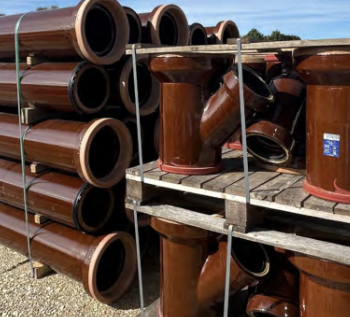
Why vitrified clay pipes are reclaiming their role in built projects.

Research by construction PR consultancy LMC published.
Roles and responsibilities of domestic clients

ACA Safety in Construction guide for domestic clients.
Fire door compliance in UK commercial buildings

Architect and manufacturer gives their low down.
Plumbing and heating for sustainability in new properties
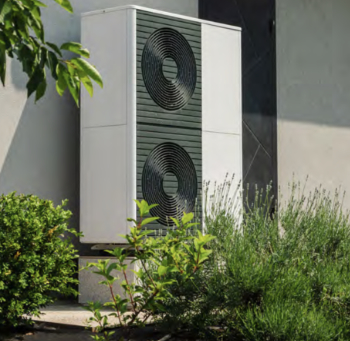
Technical Engineer runs through changes in regulations, innovations in materials, and product systems.
Awareness of the Carbon Border Adjustment Mechanism
What CBAM is and what to do about it.
The new towns and strategic environmental assessments
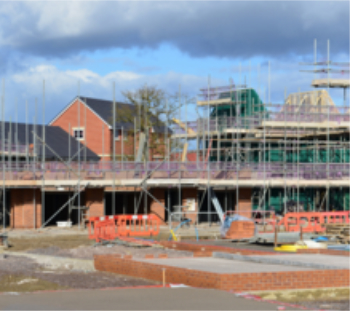
12 locations of the New Towns Taskforce reduced to 7 within the new towns draft programme and open consultation.
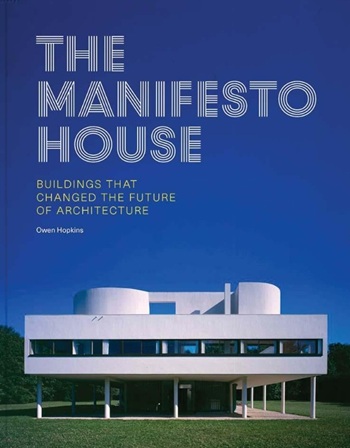
Buildings that changed the future of architecture. Book review.
The Sustainability Pathfinder© Handbook
Built environment agency launches free Pathfinder© tool to help businesses progress sustainability strategies.
Government outcome to the late payment consultation, ECA reacts.
IHBC 2025 Gus Astley Student Award winners
Work on the role of hewing in UK historic conservation a win for Jack Parker of Oxford Brookes University.
Future Homes Building Standards and plug-in solar
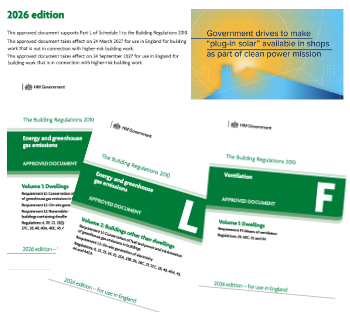
Parts F and L amendments, the availability of solar panels and industry responses.
How later living housing can help solve the housing crisis
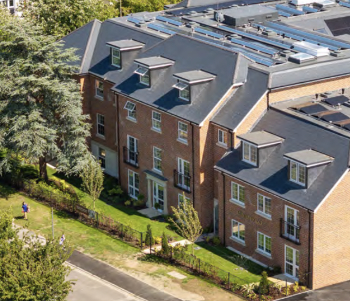
Unlocking homes, unlocking lives.
Preparing safety case reports for HRBs under the BSA
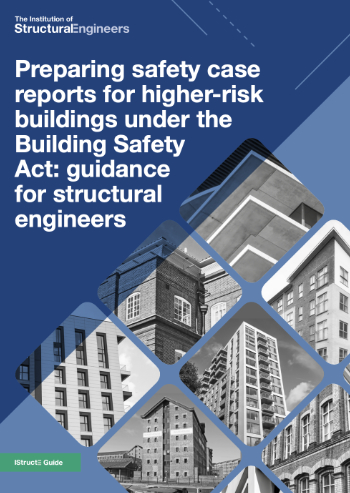
A new practical guide to preparing structural inputs for safety cases and safety case reports published by IStructE.
Male construction workers and prostate cancer

CIOB and Prostate Cancer UK encourage awareness of prostate cancer risks, and what to do about it.