





Drones for Videography
In recent years, the rise of drone technology has revolutionized the world of videography. What was once exclusive to big-budget film studios is now accessible to professionals and hobbyists alike. Drones have granted videographers the ability to capture breathtaking aerial views, providing fresh perspectives to viewers. If you're keen on delving into the world of drone videography, this article will guide you through its wonders, benefits, and things to consider.
The sky's vantage point offers a unique perspective. Aerial shots can reveal the vastness of landscapes, the intricacy of city structures, or even provide intimate bird's-eye views of events. Drones have made these shots achievable without the need for helicopters or cranes.
- Cost-Effective: Traditional aerial shots required helicopters and a crew, leading to higher costs. Drones drastically reduce these costs.
- Versatility: Drones can manoeuvre in spaces where traditional equipment cannot, like tight urban areas or rugged terrains.
- Safety: Drones can capture scenes from dangerous areas without putting a human crew at risk.
- Innovation: The ability to shoot from various angles can help in storytelling, offering audiences fresh perspectives.
Factors to consider
- Camera Quality: Always check the drone's camera specifications. Look for drones with 4K resolution for high-quality footage.
- Flight Time: Consider drones that offer longer flight times to capture more footage in a single flight.
- Stability: A gimbal stabiliser is essential to ensure smooth footage, especially during windy conditions.
- Range: If you're looking to capture vast landscapes, ensure the drone's range suits your requirements.
- Intuitive Controls: For beginners, user-friendly controls can make the learning curve less steep.
- Budget: Drones range from affordable to high-end. Establish a budget and find a drone that provides the best value within that range.
Tips
- Understand the Laws: Drone laws vary by country. Always research local regulations to avoid hefty fines or legal issues.
- Start Small: Before investing in an expensive drone, consider starting with an affordable one to hone your skills.
- Practice Regularly: Like all skills, practice is key. Regular flights will enhance your piloting and shooting skills.
- Plan Your Shots: Before flying, visualise the shots you want. This ensures efficient battery usage and better footage.
- Post-Processing: Learn how to edit drone footage. Proper colour grading and stabilisation in post-production can elevate your footage.
- Stay Updated: Drone technology is rapidly evolving.
Drones have brought a revolutionary shift in videography, democratising aerial shots for everyone. Whether you're a professional videographer looking to expand your toolkit or a hobbyist eager to explore new horizons, drones offer unparalleled opportunities. With careful consideration, regular practice, and respect for the rules, the sky is not the limit; it's just the beginning.
[edit] Related articles on Designing Buildings
- Construction cameras.
- Building information modelling.
- ConTech.
- Drones as a Service DaaS.
- Drone regulations and safety.
- Global positioning systems and global navigation satellite systems.
- Ground control point GCP.
- Ground sample distance GSD.
- How can drones transform construction processes?
- LIDAR.
- Mitie - drone pest control inspection.
- Paint by drone.
- Printing 3D models of buildings.
- Real time kinematic RTK.
- Unmanned aerial system.
- Uses of drones in construction.
- Using drones for inspection and survey.
- Using satellite imagery to monitor movements in megaprojects.
Featured articles and news
Costs and insolvencies mount for SMEs, despite growth
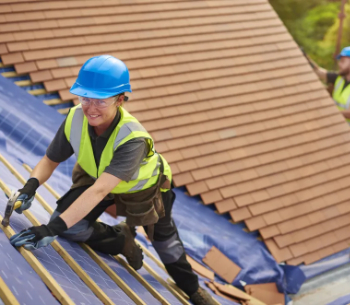
Construction sector under insolvency and wage bill pressure in part linked to National Insurance, says report.
The place for vitrified clay pipes in modern infrastructure
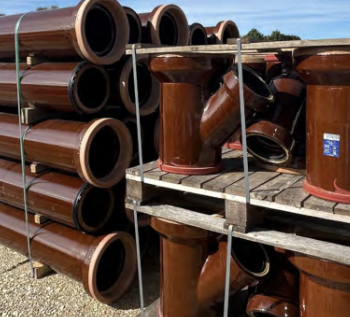
Why vitrified clay pipes are reclaiming their role in built projects.

Research by construction PR consultancy LMC published.
Roles and responsibilities of domestic clients

ACA Safety in Construction guide for domestic clients.
Fire door compliance in UK commercial buildings

Architect and manufacturer gives their low down.
Plumbing and heating for sustainability in new properties

Technical Engineer runs through changes in regulations, innovations in materials, and product systems.
Awareness of the Carbon Border Adjustment Mechanism
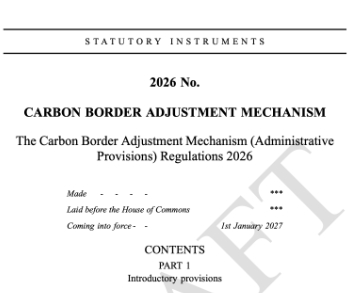
What CBAM is and what to do about it.
The new towns and strategic environmental assessments
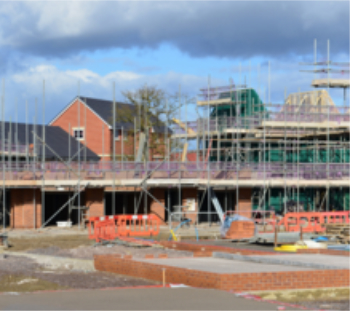
12 locations of the New Towns Taskforce reduced to 7 within the new towns draft programme and open consultation.

Buildings that changed the future of architecture. Book review.
The Sustainability Pathfinder© Handbook
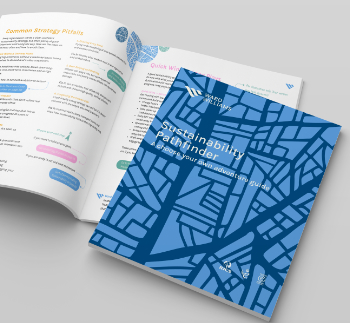
Built environment agency launches free Pathfinder© tool to help businesses progress sustainability strategies.

Government outcome to the late payment consultation, ECA reacts.
IHBC 2025 Gus Astley Student Award winners

Work on the role of hewing in UK historic conservation a win for Jack Parker of Oxford Brookes University.
Future Homes Building Standards and plug-in solar
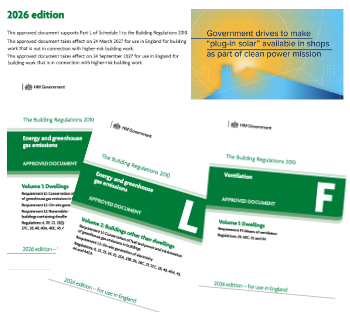
Parts F and L amendments, the availability of solar panels and industry responses.
How later living housing can help solve the housing crisis
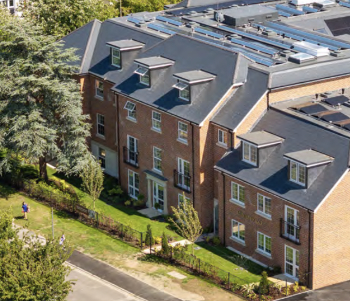
Unlocking homes, unlocking lives.
Preparing safety case reports for HRBs under the BSA
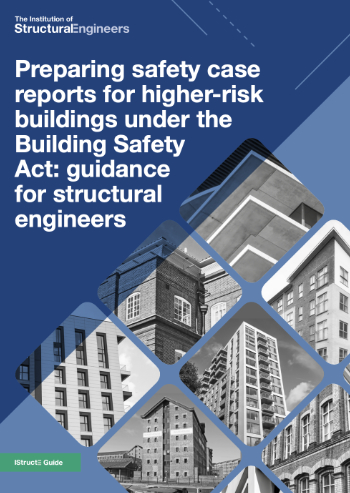
A new practical guide to preparing structural inputs for safety cases and safety case reports published by IStructE.
Male construction workers and prostate cancer

CIOB and Prostate Cancer UK encourage awareness of prostate cancer risks, and what to do about it.