






Digital project management
Digital project management is fundamental to how construction projects are planned, delivered and controlled. As projects increase in complexity and margins remain tight, the use of digital tools to manage time, cost and information is now essential rather than optional. It seeks to connect people, processes and data in ways that improve certainty, productivity and outcomes across the project lifecycle.
Improving productivity is one of the main drivers behind digital project management. By reducing the time spent searching for information, re-entering data or resolving avoidable issues, digital tools help teams focus on value-adding activities. Better integration between design, planning, procurement and construction reduces fragmentation and supports more reliable decision-making. Digital project management also enables earlier engagement with supply chains, allowing construction methods, sequencing and logistics to be considered early in the process rather than being resolved reactively on site.
Scheduling remains a foundational element of construction project management, but digital approaches are changing both how programmes are developed and how they are used. Traditional critical path programmes are now commonly supported by cloud-based planning platforms that allow real-time updates, collaborative input and better integration with design and procurement information. Digital scheduling tools make it easier to test scenarios, understand the impact of change and communicate programme risk to stakeholders. When schedules are connected to live site data, progress reporting becomes more accurate and less reliant on manual updates, reducing delays caused by late or incomplete information.
4D building information modelling (BIM) links spatial digital modelling to time, allowing construction sequences to be visualised and tested before work begins on site. This can reveal clashes in sequencing, access issues and logistical constraints that may not be obvious in a static programme. 5D BIM adds cost information, enabling quantities, budgets and cash flow to be connected to design changes and programme updates. These approaches are increasingly used on complex or high-value projects to support decision-making and risk management, particularly where public sector procurement demands greater transparency and predictability.
Common data environments provide a structured way to manage and share information, ensuring that teams are working from the latest data. Digital workflows automate approvals, track changes and create clear audit trails, reducing the risk of errors caused by outdated drawings or poor communication. The use of mobile devices on site allows problems and progress updates to be captured directly, improving the speed and accuracy of information flows between site and office.
Reducing rework is closely linked to improved information management and coordination. Rework often arises from design inconsistencies, late changes, poor communication or misunderstandings between disciplines. Digital coordination combined with structured workflows and clear version control, helps identify and resolve issues before quickly. When changes do occur, their impact on time and cost can be assessed more accurately, allowing informed decisions to be made.
While the benefits of digital project management are well known, challenges remain. Successful implementation depends on leadership, clear processes and the skills to use digital tools effectively. Interoperability between systems, data quality and consistency of adoption across project teams can all limit the value achieved.
[edit] Related articles on Designing Buildings
Featured articles and news
Costs and insolvencies mount for SMEs, despite growth

Construction sector under insolvency and wage bill pressure in part linked to National Insurance, says report.
The place for vitrified clay pipes in modern infrastructure
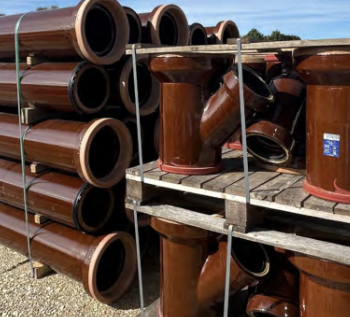
Why vitrified clay pipes are reclaiming their role in built projects.

Research by construction PR consultancy LMC published.
Roles and responsibilities of domestic clients

ACA Safety in Construction guide for domestic clients.
Fire door compliance in UK commercial buildings

Architect and manufacturer gives their low down.
Plumbing and heating for sustainability in new properties

Technical Engineer runs through changes in regulations, innovations in materials, and product systems.
Awareness of the Carbon Border Adjustment Mechanism
What CBAM is and what to do about it.
The new towns and strategic environmental assessments
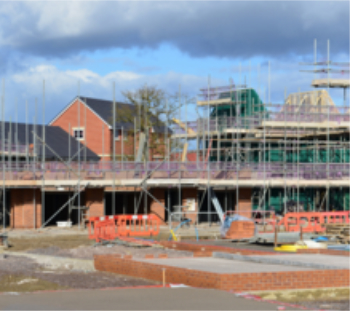
12 locations of the New Towns Taskforce reduced to 7 within the new towns draft programme and open consultation.
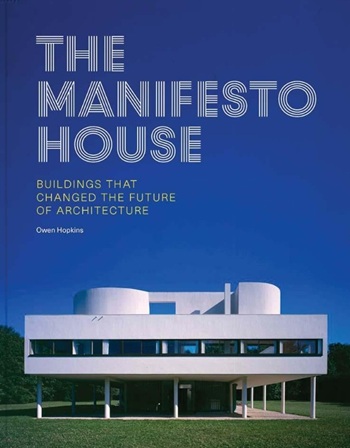
Buildings that changed the future of architecture. Book review.
The Sustainability Pathfinder© Handbook
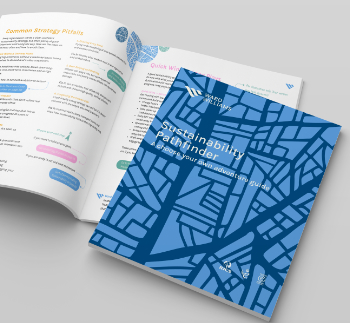
Built environment agency launches free Pathfinder© tool to help businesses progress sustainability strategies.

Government outcome to the late payment consultation, ECA reacts.
IHBC 2025 Gus Astley Student Award winners

Work on the role of hewing in UK historic conservation a win for Jack Parker of Oxford Brookes University.
Future Homes Building Standards and plug-in solar
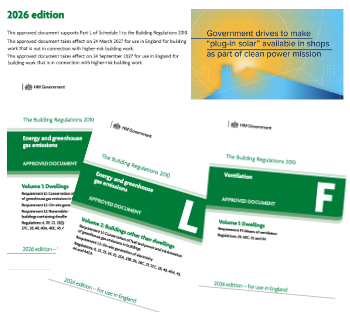
Parts F and L amendments, the availability of solar panels and industry responses.
How later living housing can help solve the housing crisis

Unlocking homes, unlocking lives.
Preparing safety case reports for HRBs under the BSA

A new practical guide to preparing structural inputs for safety cases and safety case reports published by IStructE.
Male construction workers and prostate cancer

CIOB and Prostate Cancer UK encourage awareness of prostate cancer risks, and what to do about it.