






Diagnosing the causes of dampness (GR 5 revised)
BRE (Building Research Establishment) is an independent, research-based consultancy, testing and training organisation, operating in the built environment and associated industries.
Diagnosing the causes of dampness (GR 5 revised) was written by John Houston and published by BRE on 18 March 2015.
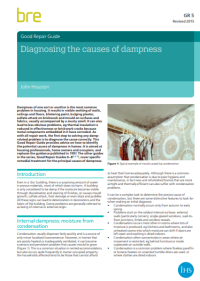
Even in a ‘dry’ building, there is a surprising amount of water in porous materials, most of which does no harm. A building is only considered to be 'damp' if the moisture or its effects become visible, leading to deterioration in decorations or the fabric of the building.
Dampness is the most common problem in housing. It results in visible wetting of walls, ceilings and floors, blistering paint, bulging plaster, sulfate attack on brickwork and mould growth on surfaces and fabrics, usually accompanied by a musty smell. It can also lead to less obvious problems such as a reduction in the effectiveness of thermal insulation or cracks in brickwork due to the corrosion of embedded metal components.
The first step in solving damp-related problem is to diagnose the cause.
This Good Repair Guide provides advice on how to identify the potential causes of dampness in homes. It is aimed at housing professionals, home owners and occupiers, and replaces guidance published in 1997.
Its contents are:
- Introduction.
- Internal dampness: moisture from condensation.
- External dampness: rain penetration.
- External dampness: rising damp.
- Construction moisture.
- Leaking pipes.
- Leaking roofs.
- Spillage.
- Ground and surface water.
- Contaminating salts.
- Hidden dampness.
- Specialist inspection.
- References.
Other guides in the series, Good Repair Guides 6–8, cover specific remedial treatment for the principal causes of dampness.
[edit] Related articles on Designing Buildings Wiki
- Assessing moisture in porous building materials.
- BRE articles on Designing Buildings Wiki.
- BRE Buzz articles on Designing Buildings Wiki.
- BRE Buzz.
- BREEAM.
- Building damp-free cavity walls.
- Building Research Establishment.
- Condensation.
- Damp in buildings.
- Damp proof membrane.
- Damp proofing.
- Damp-proof course.
- Dew point.
- Dry rot fungus.
- Efflorescence.
- Humidity.
- Interstitial condensation.
- Penetrating damp.
- Rising damp in walls - diagnosis and treatment (DG 245).
- Rising damp.
- Spalling.
- Understanding dampness.
- Wall insulation and moisture risk.
Featured articles and news
Homes, landlords. tenants and the new housing standards
What will it all mean?
The Architectural Technology podcast: Where it's AT

Catch-up on the latest episodes.
Edmundson Apprentice of the Year award 2026

Entries now open for this Electrical Contractors' Association award.
Traditional blue-grey slate from one of the oldest and largest UK slate quarries down in Cornwall.
There are plenty of sources with the potential to be redeveloped.
Change of use legislation breaths new life into buildings

A run down on Class MA of the General Permitted Development Order.
Solar generation in the historic environment
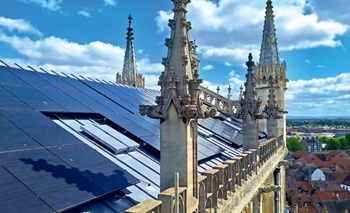
Success requires understanding each site in detail.
Level 6 Design, Construction and Management BSc

CIOB launches first-ever degree programme to develop the next generation of construction leaders.

Open for business as of April, with its 2026 prospectus and new pipeline of housing schemes.
The operational value of workforce health

Keeping projects moving. Incorporating unplanned absence and the importance of health, in operations.
A carbon case for indigenous slate
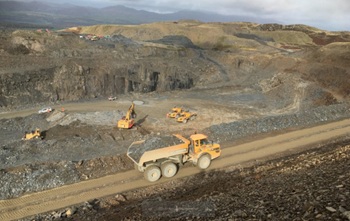
UK slate can offer clear embodied carbon advantages.
Costs and insolvencies mount for SMEs, despite growth
Construction sector under insolvency and wage bill pressure in part linked to National Insurance, says report.
The place for vitrified clay pipes in modern infrastructure
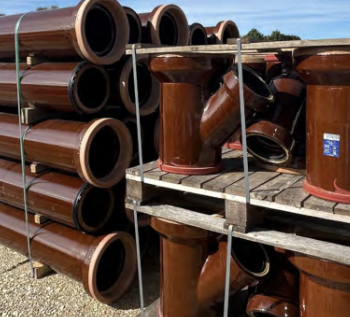
Why vitrified clay pipes are reclaiming their role in built projects.
Research by construction PR consultancy LMC published.
Roles and responsibilities of domestic clients

ACA Safety in Construction guide for domestic clients.
Fire door compliance in UK commercial buildings

Architect and manufacturer gives their low down.