






Conventions for U-value calculations (2006 edition) BR 443
Note: This edition has been superceded by Conventions for U-value calculations (BR443 2e 2019).
BRE (Building Research Establishment) is an independent, research-based consultancy, testing and training organisation, operating in the built environment and associated industries.
Conventions for U-value calculations (2006 edition) BR 443, was written by Brian Anderson and published by BRE on 11 July 2006. The 44 page guide is in line with Part L of the Building Regulations (Conservation of fuel and power) which came into effect in April 2006.
U-values, (sometimes referred to as thermal transmittances and measured in W/m²K) represent how effective elements of a buildings fabric are as insulators. That is, how effective they are at preventing heat from transmitting between the inside and outside of a building. The lower the U-value of an element, the more slowly heat transmits across it, and so the better it performs as an insulator.
Calculation methods for U-values appropriate for demonstrating compliance with the building regulations are based on standards developed by the European Committee for Standardisation (CEN) and the International Organisation for Standardisation (ISO) and published as British Standards. They may be used for the relevant calculations by the Standard Assessment Procedure (SAP) for dwellings or by the Simplified Building Energy Model (SBEM) for other buildings.
Conventions for U-value calculations provides guidance about the calculation of U-values for architects and specifiers:
- It explains the different methods for calculating the U-values of roofs, walls, floors, basements, windows and doors.
- It provides detailed guidance about using those methods.
- It provides data relevant to typical UK constructions.
- It provides guidance about the thermal conductivity of materials.
- It provides guidance about issues that commonly arise when calculating U-values and how these apply to different construction types.
The contents of the guide include:
- Introduction.
- Numerical methods and simplified methods.
- Thermal properties of materials and products.
- Issues concerned with U-value calculations.
- Elements adjacent to an unheated space.
- Expression of results.
- U-values for walls.
- U-values for roofs.
- U-values for floors.
- U-values for basements.
- U-values for windows, roof windows and rooflights.
- U-values for doors.
- Appendix A: Elements adjacent to an unheated space.
- Appendix B: U-values of uninsulated floors.
- References and further reading.
[edit] Related articles on Designing Buildings
- Approved document L.
- BRE articles on Designing Buildings Wiki.
- Building regulations.
- Building Research Establishment.
- Conventions for calculating linear thermal transmittance and temperature factors.
- Conventions for U-value calculations (BR443 2e 2019).
- Energy performance certificate.
- Insulation.
- Kappa value.
- Simplified Building Energy Model.
- Standard Assessment Procedure.
- Thermal bridge.
- Thermal mass.
- U value.
- U-value conventions in practice: Worked examples using BR 443.
- What do design professionals need to know about U-value calculation conventions?
Featured articles and news
The roofscape of Hampstead Garden Suburb
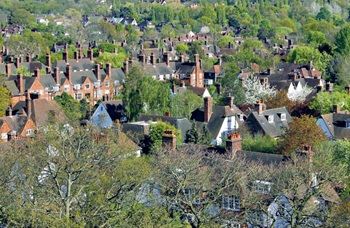
Residents, architects and roofers need to understand detailing.
Homes, landlords. tenants and the new housing standards
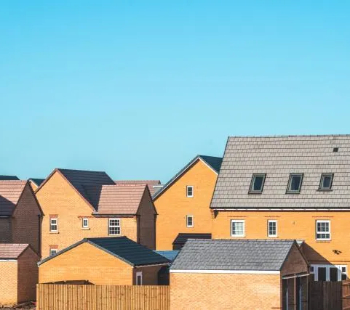
What will it all mean?
The Architectural Technology podcast: Where it's AT

Catch-up on the latest episodes.
Edmundson Apprentice of the Year award 2026

Entries now open for this Electrical Contractors' Association award.
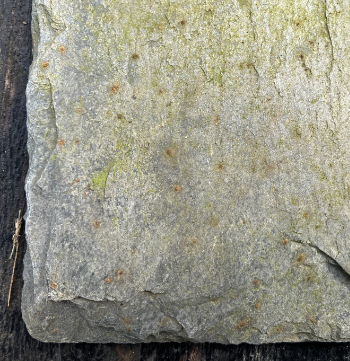
Traditional blue-grey slate from one of the oldest and largest UK slate quarries down in Cornwall.

There are plenty of sources with the potential to be redeveloped.
Change of use legislation breaths new life into buildings

A run down on Class MA of the General Permitted Development Order.
Solar generation in the historic environment
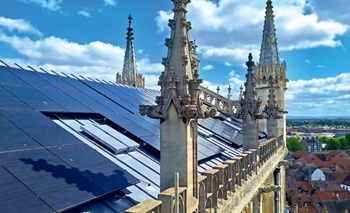
Success requires understanding each site in detail.
Level 6 Design, Construction and Management BSc

CIOB launches first-ever degree programme to develop the next generation of construction leaders.

Open for business as of April, with its 2026 prospectus and new pipeline of housing schemes.
The operational value of workforce health

Keeping projects moving. Incorporating unplanned absence and the importance of health, in operations.
A carbon case for indigenous slate
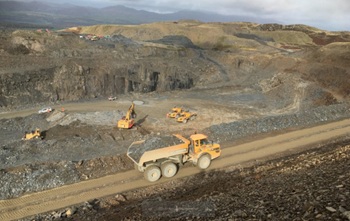
UK slate can offer clear embodied carbon advantages.
Costs and insolvencies mount for SMEs, despite growth
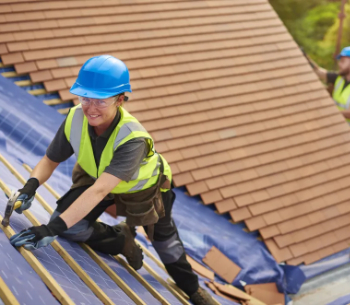
Construction sector under insolvency and wage bill pressure in part linked to National Insurance, says report.
The place for vitrified clay pipes in modern infrastructure
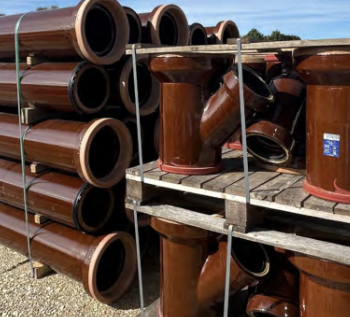
Why vitrified clay pipes are reclaiming their role in built projects.

Research by construction PR consultancy LMC published.
Roles and responsibilities of domestic clients

ACA Safety in Construction guide for domestic clients.