





Building technology
The term 'building technology' refers to the technical processes and methods used in the constructing buildings. This has become an increasingly important aspect of the construction industry, as buildings have moved from being evolutions of standard types to becoming one-off prototypes, building performance requirements have become more demanding, and the number of products and specialist suppliers has increased.
In essence, construction is the process of moving and assembling materials and equipment into completed forms for use. However, unlike manufacturing, construction operations are never completely standardised (neither in a fixed sequence nor at a fixed location).
The basic process of construction has remained relatively unchanged since the Middle Ages, however construction technology has changed significantly. The earliest dwellings were built of animal skins draped across sticks, or mud, straw, timber and stone, and were intended purely to provide shelter. Early experiments with concrete were introduced by the ancient Romans, who mixed lime and volcanic rock to build many of their most famous structures.
Buildings are now constructed from a bewildering array of interrelated systems and assemblies that must work together to deliver the required standard of performance. This requires the collaborative work of client, consultants, suppliers, contractors and sub-contractors to properly prepare planning applications, building regulations submissions, submissions for programmes such as BREEAM, construction documentation, operation and maintenance manuals and so on.
Building technology encompasses; materials and their applications, physical properties, capacities and vulnerabilities; the functioning of components and systems; the principles, procedures and details of building assembly; operating strategies and so on.
In its widest sense, it can be considered to cover any skilled area related to the construction of buildings, such as:
- Site investigations and surveying.
- Construction materials, components, systems and techniques.
- Building services.
- Operation and maintenance.
- Energy supply and efficiency.
- Structural systems.
- Communications.
- Smart technology.
- Sustainability.
- Waste water and water management.
- Building engineering physics.
- Building science.
- Prefabrication and offsite manufacturing.
- Modelling and assessment.
- Collaborative practices.
- Research, development and innovation.
- Construction plant.
[edit] Related articles on Designing Buildings
- Advanced construction technology.
- Architectural technician.
- Architectural technologist.
- Building information modelling.
- Building engineering physics.
- Building pathology.
- Building science.
- Civil engineering technology.
- Geotechnical engineering.
- Information and communications technology in construction.
- Modern methods of construction.
- Principles of enclosure.
- Structural principles.
Featured articles
Check out some of the best features and news from Designing Buildings as well as key stories from around the web.

38% of Gen Zs feel safe when a fire door is wedged open.
Stunning images from around the world

Shortlist for CIOB’s Art of Building photography competition.

Guidance for conversion of traditional pre-1919 stone buildings.
Industrial heritage in the Ruhr

A marked difference to the fate of industrial landscapes in the UK.
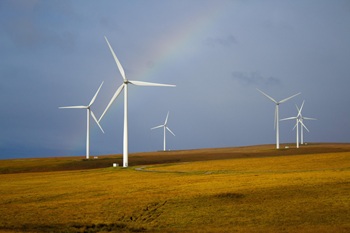
Communities will be able to build their own clean energy.
Why diversity and inclusion matters for SMEs

CIOB’s D&I Charter shows how practical changes can support long-term growth.
Cut electricity bills to power growth

Coalition sends joint letter to the Chancellor.

Gasholders: a history in pictures. Book review.
Recognition, influence and growth

SocEnv identifies three strategic pillars in new strategy to 2045.
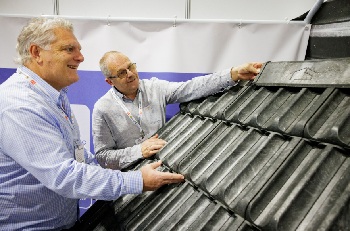
Discover the future of roofing, cladding and insulation.

New guidance for professional practice, cultural change and regulation in social housing.
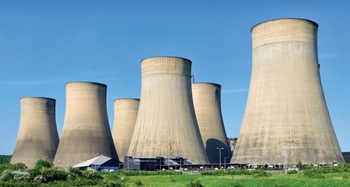
The heritage of nuclear and conventional power stations.
Comments