





Building performance evaluation of occupied and operational buildings
In 2021 British Standards Institute launched BS 40101:2021 the first British Standard on evaluating building performance.
This standard has been updated in 2022 for BS 40101:2022, with it complete title being; "Building performance evaluation of occupied and operational buildings (using data gathered from tests, measurements, observation and user experience). Specification."
BSRIA (Building Services Research and Information Association) define Building Performance Evaluation (BPE) as:
“…a form of Post-Occupancy Evaluation (POE) which can be used at any point in a building's life to assess energy performance, occupant comfort and make comparisons with design targets.”
In their blog about the new standard BSI describes how the standard is set-up in simple terms, the what, why, when, how and who of building performance evaluation.
"BS 40101:2022 has a simple aim: it gives guidance on how to evaluate building performance. But this is a complicated area. Thus the standard covers the what, why, when, how and who of building performance evaluation.
“What” relates to what needs to be tested or evaluated depending on the physicality of the property, the performance parameters of interest and the reason or reasons for the evaluation. Which brings users neatly on to “why” evaluate performance in the first place. This must be determined. Is it to verify performance or measure performance before or after improvement works? To investigate suspected underperformance or to inform the design of a new building or building type? The standard also gives guidance on tracking performance over time, e.g. for annual reporting or periodic building MOT's.
“When” is another question that needs to be answered. Evaluation activities may be conducted before works, “in process”, at completion of works, or 6-12 months after completion. They may be triggered by construction stages, a prescribed timetable, to aid the specification of other building(s) and/or if performance concerns are raised by occupants, users or other stakeholders.
Next is “how” the evaluation should be conducted and escalated if required – including ongoing adoption of new methods, technologies and techniques. The standard also prescribes the accuracy, granularity and format in which test and measurement data should be captured and held.
Finally “who” outlines the expertise required to conduct and interpret evaluation activities and to take responsibility for checking the relevant performance parameters and investigating any underperformance found to identify the root cause.
The standard also takes account of building occupants/operators and occupation patterns including density, both in evaluating that the building performance is fit for purpose in respect of its occupants and occupation and in incorporating occupant (user) feedback and insights to identify and help investigate performance concerns. "
For further reading and a link to the new British Standard follow this link.
[edit] Related articles on Designing Buildings
- Building performance evaluation.
- Building performance evaluation in non-domestic buildings guide – an introduction to the tests and methods in non-domestic buildings
- Building performance metrics.
- Building use studies (BUS).
- CIOB Building Performance and Evaluation Guide.
- Closing the gap between design and as-built performance.
- Defects liability period.
- Design quality indicator DQI.
- End of contract report.
- Energy performance certificates.
- Extended aftercare.
- Initial aftercare.
- Maintenance.
- Migration strategy.
- Occupation.
- Performance gap.
- Performance in use (starter article that repeats some of the text in this article).
- Post occupancy evaluation process.
- Post opening project evaluation.
- Post project review (starter article that repeats some of the text in this article).
- Soft landings.
Featured articles and news
Costs and insolvencies mount for SMEs, despite growth

Construction sector under insolvency and wage bill pressure in part linked to National Insurance, says report.
The place for vitrified clay pipes in modern infrastructure
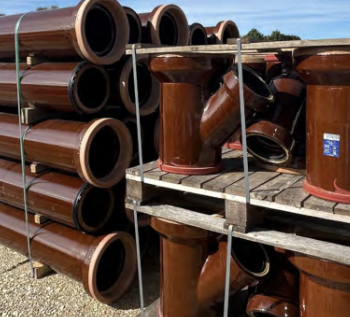
Why vitrified clay pipes are reclaiming their role in built projects.

Research by construction PR consultancy LMC published.
Roles and responsibilities of domestic clients

ACA Safety in Construction guide for domestic clients.
Fire door compliance in UK commercial buildings

Architect and manufacturer gives their low down.
Plumbing and heating for sustainability in new properties

Technical Engineer runs through changes in regulations, innovations in materials, and product systems.
Awareness of the Carbon Border Adjustment Mechanism
What CBAM is and what to do about it.
The new towns and strategic environmental assessments
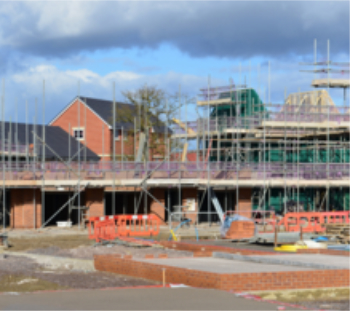
12 locations of the New Towns Taskforce reduced to 7 within the new towns draft programme and open consultation.
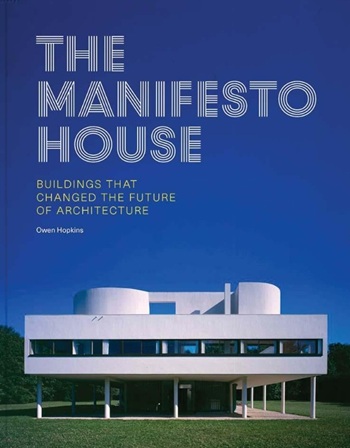
Buildings that changed the future of architecture. Book review.
The Sustainability Pathfinder© Handbook
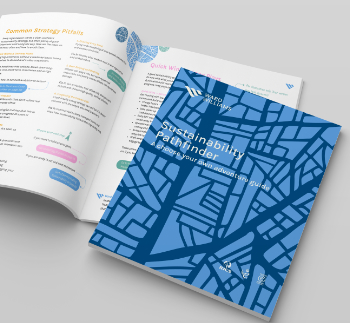
Built environment agency launches free Pathfinder© tool to help businesses progress sustainability strategies.

Government outcome to the late payment consultation, ECA reacts.
IHBC 2025 Gus Astley Student Award winners

Work on the role of hewing in UK historic conservation a win for Jack Parker of Oxford Brookes University.
Future Homes Building Standards and plug-in solar
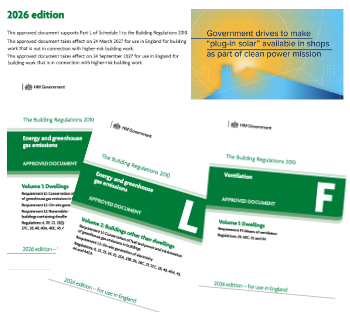
Parts F and L amendments, the availability of solar panels and industry responses.
How later living housing can help solve the housing crisis

Unlocking homes, unlocking lives.
Preparing safety case reports for HRBs under the BSA
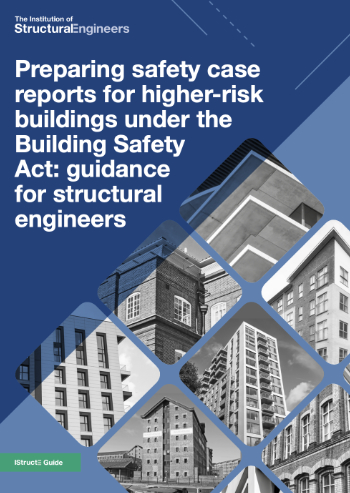
A new practical guide to preparing structural inputs for safety cases and safety case reports published by IStructE.
Male construction workers and prostate cancer

CIOB and Prostate Cancer UK encourage awareness of prostate cancer risks, and what to do about it.