





Autonomous vehicles
An autonomous vehicle (AV) is a self-driving vehicle which requires little or no human direction, can sense its environment, typically navigates by satellite and detects objects in its path that it must avoid.
AVs are not just cars: they can also be trains, ships, trucks, drones, tractors, lunar vehicles and so on. They are typically equipped with computers, software and sensors which gather information about the external environment, and are connected to satellites.
For road vehicles, there are two main levels of automation:
- Fully autonomous, where the AV can complete journeys safely without a driver in normally-encountered traffic conditions, and
- Highly automated, where the vehicle can operate in driverless mode but must have a driver on-board to take control if necessary.
Today’s cars can commonly offer assisted driving, with automatic braking, cameras to monitor hazards, parking assistance and alarms to alert drivers when they have strayed from designated lanes.
When full autonomy occurs, autonomous cars may:
- Drive themselves from door-to-door without a driver, including in city and motorway conditions.
- Communicate through the Internet of Things with each other and the road infrastructure and so make decisions about optimal routes, internal temperature etc.
- Have no options for drivers to take control of vehicles.
One of the biggest questions around vehicle autonomy is, given the driver is not in control, who will be liable in the event of an accident? If the software goes wrong should the vehicle provider, software developer or the vehicle manufacturer be liable? Questions such as these are still being debated hotly by the industry.
And are current drivers competent enough to be in control of highly automated vehicles (HAVs)? A report by the House of Lords Science & Technology committee suggested that drivers with existing licences should be required to take a special driving test to ensure they can take back control in an autonomous car.
Research showed that driver responses in AV conditions are slower than when they are in full control of a vehicle, taking on average six times longer to respond to emergency braking situations. This could be, the report suggested, because drivers can become complacent under autonomous conditions.
AVs will potentially transform cities due to safer roads, fewer accidents, less congestion and smoother traffic flow, with extensive freeing-up of conventional parking space. They could also bring about changes in car ownership patterns and change the urban landscape.
[edit] Progress
In July 2019, the government launched a consultation on proposals to alter existing residential and non-residential buildings regulations to include electric vehicle infrastructure requirements. Ref https://www.gov.uk/government/consultations/electric-vehicle-chargepoints-in-residential-and-non-residential-buildings
[edit] Related articles on Designing Buildings Wiki
- Autonomous vehicles and insurance.
- Autonomous vehicles and the insurance market.
- Autonomous vehicles - do we trust them?
- Boosting electric vehicle use.
- Electric car charging stations - what you need to know.
- Electric vehicles.
- Electricity.
- Fuel.
- Fuel cells
- Hyperloop
- Key notes on electric car charging points.
- London car charging infrastructure.
- New style EV charging stations.
- Smart village trials autonomous shuttle and private mobile network.
- Zero-emissions vehicles.
Featured articles
Check out some of the best features and news from Designing Buildings as well as key stories from around the web.

The hidden risk in modern construction supply chains.
Construction Management, 10 June

24 months to 14: CITB launches accelerated apprenticeships.
Bridging the gap between clients and contractors

Concerns remain around contractor quality, capability, and delivery.
Construction Management, 10 June.
Heat pumps beat boilers in new home tests.
Building Safety Act implementation in Wales

CIAT to host industry panel on 26 June.

New and updated CLC building safety guidance.
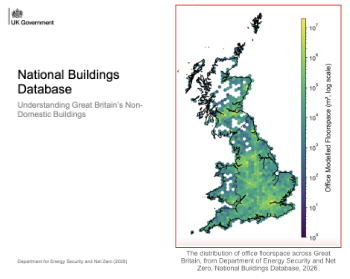
New UK National Buildings Database.
Building Safety Wiki Interviews

Chief executive of the British Woodworking Federation.
Planning condition discharge in England and Wales

A brief explanation from a building compliance expert, with further links.
Overheating guidance and tools for building designers

Guidance for dealing with element of building fabric control that have increasing importance.
Shading for housing, a design guide

From the Good Homes Alliance and British Blind and Shutter Association.