





Augmented reality for real estate
Augmented reality (AR) is a contemporary technology which is being leveraged in different industries including real estate. You can have dynamic print catalogs or can prepare site demonstrations in a digitally interactive manner. AR is driving better sales as you can engage clients productively and they can get better visual insights into the proposed development plan.
Printed descriptions sometimes convey little information about a project. Images can only portray a part of the project but not in a very realistic manner. Interactive 3D models also fail to offer the complete picture. If you arrange for every client to visit the site, it consumes significant time and is expensive.
Augmented reality benefits for your real estate promotional activities are many.
Unlike VR which needs costly gadgets and high processing speed computers for displaying CGI, AR can be done with a smartphone. You get a competitive edge as prospects can browse your interactive ad through the smartphone. Only an internet connection is needed.
Your targeted customers need to install the AR app on their smartphones and can browse through your real estate offerings. If your building has multiple floors, customers can seamlessly view them. Prospects can rotate the view, experiment with decor and furniture location, and zoom in for viewing details. You can facilitate adjustment of surroundings to customers’ liking i.e. AR can be made to have day or night modes for viewing.
Your leads can customize the 3D architectural visualisation as per their preferences. Any suggested improvements can be incorporated by your construction team. You need not accompany the buyer to the site. Just send them the AR files.
You can develop interactive catalogs for posting online. Your AR app can be integrated with Google Play or App Store which offers prospects the convenience to download and install them easily.
With Augmented reality, the complexity of developing visualisations is reduced. Your AR app will accept normal models with 3d rendering. Also, multiple file formats are supported.
You can also get various interactive features embedded like controlling the lights, opening doors, or turning on the sink tap.
When taking your client on tour of the proposed construction site, you can enhance the experience by making digital renderings overlay the actual work in progress. You can facilitate planning on the client’s part by allowing decor options to be visualised with virtual staging. Any change suggested by the customer during the discussion can be communicated to relevant stakeholders in real-time.
Your print collateral can be brought to life with the incorporation of image-driven AR markers. Portable rack cards can be created and shared with ease. With interactive materials, you need not prepare costlier physical scale models any longer. All specifications and prices can be incorporated in it.
[edit] Related articles on Designing Buildings Wiki
- 3D MOVE: Mobile Immersive Visualisation Environment.
- 3d printing in construction.
- Advanced construction technology.
- Artificial intelligence.
- Artificial intelligence and civil engineering.
- Augmented reality.
- Building information modelling BIM.
- Caution Cinema.
- Computer aided design CAD.
- Computer-generated imagery (CGI).
- Construction innovation.
- Eyeware app.
- Gravity Sketch.
- Immersive Hybrid Reality IHR.
- Integrated modelling, simulation and visualisation (MSV) for sustainable built healing environments (BHEs).
- Integrated systems.
- Mixed reality.
- Projections.
- Real estate in the augmented age.
- Shaping the Future of Construction: Inspiring innovators redefine the industry.
- The Palimpsest.
- Trends towards wearables and wellbeing in buildings.
- TruVision.
- Virtual construction model.
- Virtual reality and manufacturing.
- Virtual reality in construction.
Featured articles
Check out some of the best features and news from Designing Buildings as well as key stories from around the web.

Your views needed - a strategy for the professions, trades and occupations.

Confronting competency, codes, capacity and costs.

The hidden risk in modern construction supply chains.
Construction Management, 10 June

24 months to 14: CITB launches accelerated apprenticeships.
Bridging the gap between clients and contractors

Concerns remain around contractor quality, capability, and delivery.
Construction Management, 10 June.
Heat pumps beat boilers in new home tests.
Building Safety Act implementation in Wales

CIAT to host industry panel on 26 June.
New and updated CLC building safety guidance.
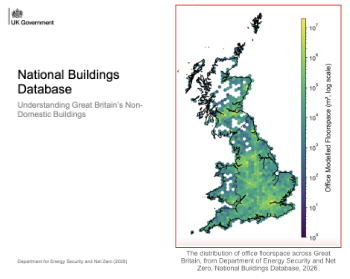
New UK National Buildings Database.
Building Safety Wiki Interviews

Chief executive of the British Woodworking Federation.
Planning condition discharge in England and Wales

A brief explanation from a building compliance expert, with further links.