





Surface Design Show 2017

In February 2017, Designing Building Wiki attended the Surface Design Show, the UK’s leading surfaces and materials event.
Located at the centre of London’s design district, in Islington's Business Design Centre, the show has become an established event on the calendar for architects and interior designers. For more than 10 years it has been the only event in the UK focusing exclusively on interior and exterior surfaces.

As well as a large number of exhibitors, demonstrations, presentations and panel discussions, the show featured three specialist 'hubs' - Light School, Stone Gallery and Surface Spotlight Live.

Debuting at 2016's show and officially supported by Stone Federation GB, the Stone Gallery reflects the rapidly growing stone market in the UK and the important relationship between stone and surface design.
Designing Buildings Wiki went along to chat with Stone Federation's Digital Media Executive, Matt Robb:
|
DBW: Is it fair to say there's a resurgence in popularity at the moment for natural stone, and what do you think that's down to? |
Matt Robb (MR):
It's a mix of things - post-recession there's definitely been an up-take. In our 2016 National Stone Awards there was a 52% increase in entry across categories, from new build/modern, interiors/landscape, conservation/heritage projects, the whole spectrum.
As well, we've seen real interest expressed in understanding the story of the material. We work closely with architects and designers to educate them about the material, the geological processes and how they effect the overall aesthetic. That link between the story and the finished product is a unique selling point.
The availability of really useful resources is also a factor; we've got a stone selection app mapping all the 85 different British stone sources around the country. Once architects become aware of the variety, we find they get more passionate about using it.
|
DBW: How does the Stone Federation assist in locating a suitable stone, what are the general criteria? |
MR:
There's a number of ways we do it. If the architect says they'd like to get an exact stone that they've seen elsewhere, we have a free technical helpline where our experts will help match that stone to the original source.
In the heritage sector there's a lot of stone matching required. In some cases the original stone is no longer quarried so we help find a suitable alternative that provides a consistent aesthetic.

|
DBW: Is there a growing international interest in British stone? |
MR:
There is definitely something about 'Brand Britain'. For a while there's been a fascination from the British interiors market about Italian marbles, but there's a growing reciprocal respect for British stone overseas.
One of the things our technical committee has been working on is the Geoprotection of Natural Stones; giving the same protection as, say, Champagne or Parma ham, for something like Portland stone which would be really valuable for the market.
|
DBW: One of the Stone Federation's objectives is to promote and maintain traditional skills. There's a skills shortage across the industry at the moment, what do you think could be done to try and encourage young people to consider a career in natural stone? |
MR:
We need to present a career in natural stone as a really attractive option. We run the UK Masonry Skills Challenge which draws on newly-trained masons from across colleges and seeks to recognise, encourage and invest in those masons that are really excelling in their craft.
There needs to be closer collaboration with colleges, making sure there's the chance for people coming out of school and colleges to have exposure to traditional skills, and allow hands-on experience wherever possible.
|
DBW: What lies ahead in 2017 for the Stone Federation? |
MR:
2017 looks like being our busiest year so far. As well as more sector-based events and resources, we are also launching the Ethical Stone Register. This will be the go-to place where people can understand the ethical background of a stone, making sure it can be traced from the quarry onwards along the supply chain.
For more information, see Stone Federation.

Designing Buildings Wiki also met Ariane Steinbeck, Managing Director of RPW Design, one of the industry's leading interior designers of hotels around the world.
|
DBW: As an interior designer how do you try and keep up, and perhaps pre-empt, changing trends and expectations? |
Ariane Steinbeck (AS):
We always have to try and see how to satisfy expectations. Certain innovations may or may not be appropriate for a while. For example, all the research suggested that people don't really work at desks anymore in hotel rooms so Marriott wanted to do away with desks. But when we did, everyone complained so now they're back!
But as much as the market is segmented, I don't think you can specify one thing for everyone. It depends on what innovations you can incorporate.
|
DBW: How do you approach the interior design when a client comes to you with their own unique branding? Does this present challenges? |
AS:
Sometimes you can do it, sometimes you can't. Brands are very flexible within their standards. Safety standards and others that are more function-related rather than aesthetic should be universal, like disabled access, and so on. Hardly anyone dictates things like colour anymore, although they used to.
I remember fighting with a gentlemen in China who wanted to make the showers really small because he wanted more room. I just said, I can't draw this for you because the brand will reject it, but he insisted.
|
DBW: Aside from that, what are the biggest challenges of hospitality interior design? |
AS:
Unrealistic budget expectations. Or the mentality - 'you've done this hotel and I like it, can I have the same for my hotel?', and it's not appropriate. Or they want to copy someone else's design.
Again, it's very culturally-based, certain cultures don't want to be dictated to, they think their culture is okay! We sit between the owner or developer who pays for it, and the brand who dictates it all, and we have to make both parties happy, so it's a challenging position to be in.
|
DBW: What makes RPW Design stand out from others in the field? |
AS:
Our sophistication and enduring elegance. Our use of materials, we always try to pick those that offer the best value for the developer and spend a lot of time doing that. We also have a great track record over 25 years.
|
DBW: Is there a particular hotel that you consider a 'gold standard' in terms of interior design? |
AS:
There are many. In countries like Japan and China so much money is spent to create something truly special rather than just return on investment. I don't think people have done that so much in America or Europe. In the Middle East there are incredible projects that are breathtakingly beautiful, they have the space, craftsmanship and money for it. Hopefully all that design is enduring.
For more information, see RPW Design.

[edit] Find out more
[edit] Related articles on Designing Buildings Wiki
Featured articles
Check out some of the best features and news from Designing Buildings as well as key stories from around the web.
New measures to stop people being ripped off

Government to protect families from cowboy builders and aggressive bailiffs.

New Futurebuild showcase brings an innovation-first approach.
National Planning Policy Framework
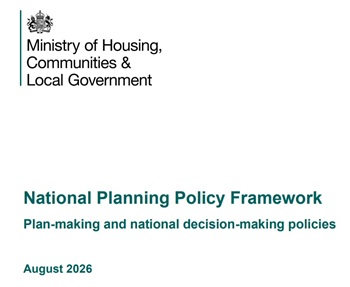
Understanding the 2026 changes.
ECA's public affairs priorities

Member consultation opens to shape priorities for 2027 to 2030.

Dutyholder responsibilities from 1 July 2026.
Where performance meets practice

The Building Envelope Stage at UKCW Birmingham.
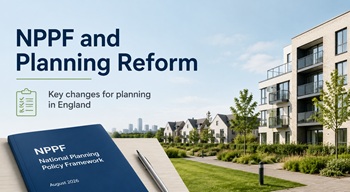
CIAT publishes briefing on planning reforms.
Leaders in Learning for Practice Network

Call for conservation leaders in learning to register interest in new network.
The importance of early engagement
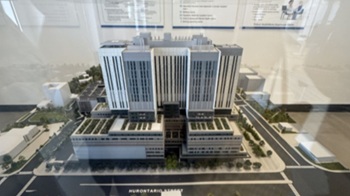
Construction lessons from the Trillium HealthWorks Experience Centre.
Mayors are to be given planning call in powers
Mayors across England will be able to make the most important planning decisions.
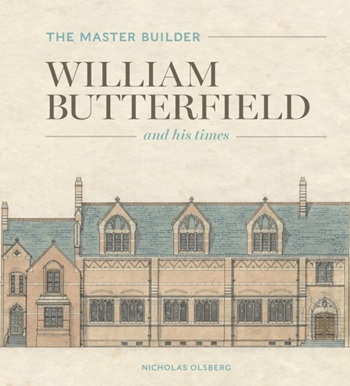
The Master Builder: William Butterfield and his times. Book review.

Why construction can't afford to ignore the skills gap.
Comments