






Engineering Cleaner Air
In October 2017, the ICE London Air Quality Taskforce, led by the government’s former chief construction advisor Professor Peter Hansford, launched Engineering Cleaner Air – a plan to help clean up London’s polluted air.

The report calls for an increase in pedestrianised routes, and how this could be managed to ensure pollution does not simply spill over onto neighbouring streets.
It also highlights the use of new technologies to boost air quality, calling on London to become a world leader in electric vehicle usage and adopt new methods of monitoring air quality on the Underground.
The taskforce was set up to look at what civil engineers can do to help reduce London's poor air quality across transport, planning, water infrastructure, technology and industry practices.
To support these aims, the report calls for:
- Increased use of vehicle consolidation centres.
- More pedestrianised routes.
- Embed a zero emission approach to building planning.
- Make air quality improvements a central objective of the new Energy for Londoners agency.
- Promote good practice air quality planning policy in neighbourhood plans.
- Incentivise use of commercial wharves along the River Thames.
- London should become a world leading city in electric vehicle usage.
- Monitoring underground station air quality and ensure new stations contain air pollution reduction solutions.
- A Construction Logistics Plan should be produced as part of every development planning submission.
- The Considerate Constructors Scheme should give more weight to compliance with NRMM requirements as part of its monitoring and scoring system.
At the launch event the audience heard from a panel of speakers including Simon Birkett from the Campaign for Clean Air in London on the need to think ahead and what civil engineers can do now to tackle air quality issues.
Outlining the key points from the report, Heleni Pantelidou, Associate Director, Arup, highlighted the report's call to use new technologies to boost air quality, calling on London to become a world leader in electric vehicle usage and adopt new methods of monitoring air quality on the Underground.
There was general agreement that the industry as a whole had responded well on safety concerns but health aspects had been ignored.
The report has the backing of the Considerate Constructors Scheme. Chief Executive Edward Hardy announced plans to monitor air pollution at over 3,500 sites, companies and suppliers each year in the capital alone.
Commenting on the launch of the report, Professor Hansford said:
"Our 10 point plan to improve air quality in London presents clear and achievable targets.
"The civil engineering industry has a significant role to play in reducing air pollution, helping to improve air quality for all residents and visitors in London.
"Whilst our report focuses on London it can act as a blueprint for urban areas across the UK and around the world. This report should spur the action required by both policy makers and industry to make poor air quality an issue of the past."
This article was originally published here on 11th October 2017 by ICE. It was written by James Sloan.
--The Institution of Civil Engineers
[edit] Related articles on Designing Buildings Wiki
Featured articles
Check out some of the best features and news from Designing Buildings as well as key stories from around the web.

New guidance for professional practice, cultural change and regulation in social housing.

The heritage of nuclear and conventional power stations.
New measures to stop people being ripped off

Government to protect families from cowboy builders and aggressive bailiffs.

New Futurebuild showcase brings an innovation-first approach.
National Planning Policy Framework
Understanding the 2026 changes.
ECA's public affairs priorities

Member consultation opens to shape priorities for 2027 to 2030.

Dutyholder responsibilities from 1 July 2026.
Where performance meets practice
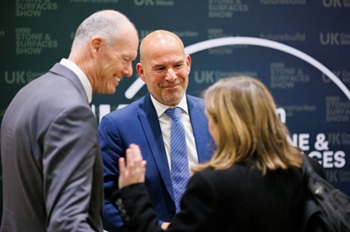
The Building Envelope Stage at UKCW Birmingham.

CIAT publishes briefing on planning reforms.
Leaders in Learning for Practice Network

Call for conservation leaders in learning to register interest in new network.
The importance of early engagement

Construction lessons from the Trillium HealthWorks Experience Centre.
Mayors are to be given planning call in powers
Mayors across England will be able to make the most important planning decisions.
Comments
The Institution of Civil Engineers managed to write a report about improving air quality in London with a lot of focus on electric vehicles and only a small mention of reducing motor traffic (freight vehicle consolidation centres) and omitting cycling from their main findings.
This is missing a point which has been made by government advisers and experts that switching to electric vehicles will not solve air pollution unless we have significant motor traffic reduction: https://www.theguardian.com/environment/2017/aug/04/fewer-cars-not-electric-cars-beat-air-pollution-says-top-uk-adviser-prof-frank-kelly
Electric vehicles have the same problems of tyre and brake dust as standard cars, which causes a significant amount of particulate pollution in London for which there is no safe limit.
Apparently the possibility of getting 10% of people on to vehicles with no emissions (bikes!), and where the health benefits directly address some of the problems caused by pollution, isn't worth mentioning. This seems to ignore the current mayor's Healthy Streets agenda and the work done by the previous mayor on cycling.