





Pedestal

In classical architecture, a pedestal is used as a base to support columns, statues or other ornaments. A classical pedestal may be square, octagonal or circular and is usually made up of three elements:
- Plinth: This is the lowest part of the base of a column or pedestal. The plinth distributes the column’s weight.
- Die: This is a rectangular block that separates the base from the cap.
- Cap: This is the uppermost element in a pedestal.
Roman architects were the first to introduce pedestals in this form, primarily as a means of giving columns and arches a more imposing appearance. The higher the column, the higher the pedestal.
A concrete pedestal is a compression element provided to carry the loads from supported elements like columns, statues etc. to footing below the ground.
[edit] Related articles on Designing Buildings Wiki
Featured articles
Check out some of the best features and news from Designing Buildings as well as key stories from around the web.

Confronting competency, codes, capacity and costs.

The hidden risk in modern construction supply chains.
Construction Management, 10 June

24 months to 14: CITB launches accelerated apprenticeships.
Bridging the gap between clients and contractors

Concerns remain around contractor quality, capability, and delivery.
Construction Management, 10 June.

Heat pumps beat boilers in new home tests.
Building Safety Act implementation in Wales

CIAT to host industry panel on 26 June.
New and updated CLC building safety guidance.
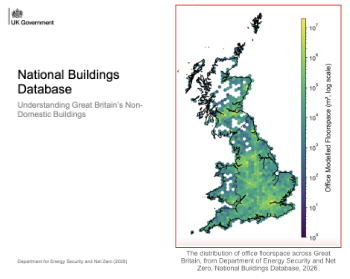
New UK National Buildings Database.
Building Safety Wiki Interviews

Chief executive of the British Woodworking Federation.
Planning condition discharge in England and Wales

A brief explanation from a building compliance expert, with further links.
Overheating guidance and tools for building designers

Guidance for dealing with element of building fabric control that have increasing importance.