





Bay window

A bay window is a multi-panel window that projects outward beyond the external wall of a building. This outward projection forms a bay or interior recess and is supported by a sill height wall. Bay windows are typically rectangular or polygonal, and the most common internal angles are 90°, 135° and 150°.
Bay windows are a prominent feature of Victorian domestic architecture but were originally incorporated into designs during the English Renaissance period as a means of making a room appear larger, providing better views and admitting more natural light than a window which was flush with the wall line.
The interior recess created by a bay window can be used for storage by enclosing the lower area, or as a window seat with the addition of cushions and other soft furnishings. Alternatively, it can be used as a space to display decorative items, plants, and so on.
However, a bay window can require more heating or cooling to maintain a comfortable internal temperature due to the increased surface area of glazing. Consideration must also be given to the structural stability of the building foundations, as they must be capable of supporting the protruding windows and roof above.
In modern architecture, bay windows underwent a revival to become a characteristic feature of the Chicago School. Today, bay windows can be found in all types of domestic architecture as well as in apartment buildings.
There are several variations, including:
- Canted: A bay window with a flat front and angled sides.
- Bow: A bay window which is curved or arc-shaped.
- Oriel window: This is a bay window found on an upper floor, typically supported from below by a corbel or bracket. This type of window allows the floor space to be extended without the dimensions of the foundation needing to be changed.
- Mashrabiya: Highly decorative enclosed balconies that are characteristic of Arab architecture.
[edit] Related articles on Designing Buildings Wiki
Featured articles and news
A safe energy transition – ECA launches a new Charter

Practical policy actions to speed up low carbon adoption while maintaining installation safety and competency.
Frank Duffy: Researcher and Practitioner

Reflections on achievements and relevance to the wider research and practice communities.
The 2026 Compliance Landscape: Fire doors

Why 'Business as Usual' is a Liability.
Cutting construction carbon footprint by caring for soil

Is construction neglecting one of the planet’s most powerful carbon stores and one of our greatest natural climate allies.
ARCHITECTURE: How's it progressing?

Archiblogger posing questions of a historical and contextual nature.
The roofscape of Hampstead Garden Suburb
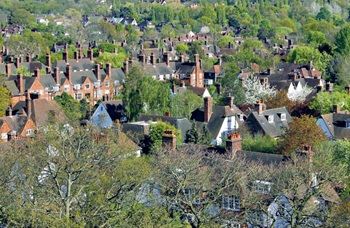
Residents, architects and roofers need to understand detailing.
Homes, landlords. tenants and the new housing standards
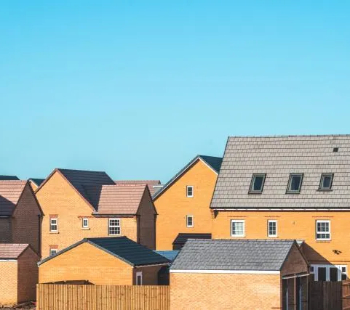
What will it all mean?
The Architectural Technology podcast: Where it's AT

Catch-up on the latest episodes.
Edmundson Apprentice of the Year award 2026

Entries now open for this Electrical Contractors' Association award.

Traditional blue-grey slate from one of the oldest and largest UK slate quarries down in Cornwall.
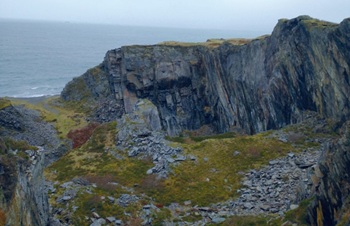
There are plenty of sources with the potential to be redeveloped.
Change of use legislation breaths new life into buildings

A run down on Class MA of the General Permitted Development Order.
Solar generation in the historic environment
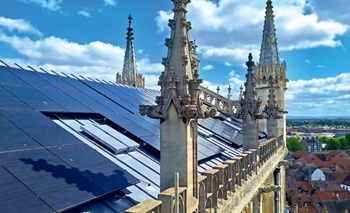
Success requires understanding each site in detail.
Level 6 Design, Construction and Management BSc

CIOB launches first-ever degree programme to develop the next generation of construction leaders.

Open for business as of April, with its 2026 prospectus and new pipeline of housing schemes.
The operational value of workforce health

Keeping projects moving. Incorporating unplanned absence and the importance of health, in operations.