





White desk
Contents |
[edit] Introduction
In the realm of interior design, furniture pieces often serve as the cornerstone of a room’s aesthetic and functionality. Among these pieces, the white desk stands out for its timeless elegance and versatility. Whether in a home office, a student's bedroom, or a professional workspace, a white desk can seamlessly blend into various decor styles, offering both form and function.
[edit] A Brief History of the Desk
The concept of the desk has evolved significantly over centuries. Originally, desks were bulky, ornate pieces of furniture reserved for the elite. They were often made of dark woods and featured intricate carvings, symbolising wealth and status. As society progressed and the demand for functional workspaces increased, the design of desks became more streamlined and practical.
The introduction of white desks into mainstream furniture design marked a significant shift. White, as a colour, symbolises cleanliness, simplicity, and modernity. These qualities made white desks particularly appealing in the mid-20th century, a period characterised by a move towards minimalist and functional design.
[edit] The Versatility of White Desks
One of the primary reasons white desks have remained popular over the years is their versatility. A white desk can fit into virtually any design scheme, from Scandinavian minimalism to eclectic bohemian. This adaptability makes it a favourite choice among interior designers and homeowners alike.
1. Modern Minimalism
In modern minimalist spaces, white desks are a staple. Their clean lines and unadorned surfaces complement the minimalist ethos of “less is more.” Paired with sleek, contemporary chairs and minimal accessories, a white desk can create a serene and clutter-free workspace.
2. Scandinavian Chic
The Scandinavian design style, known for its emphasis on light, airy spaces, often features white desks. These desks enhance the sense of openness and lightness in a room. When paired with natural wood accents and neutral textiles, a white desk can contribute to the warm yet minimalistic aesthetic typical of Scandinavian interiors.
3. Eclectic Bohemian
Even in more eclectic and bohemian settings, a white desk can serve as a neutral anchor around which bolder colours and patterns can revolve. Its simplicity allows other elements in the room to shine, while still providing a functional workspace.
[edit] Practical Benefits of White Desks
Beyond aesthetics, white desks offer several practical benefits.
1. Enhancing Natural Light
White surfaces reflect light, which can enhance the brightness of a room. This is particularly beneficial in smaller spaces or rooms with limited natural light. A white desk can help make a room feel larger and more inviting.
2. Easy to Maintain
Contrary to popular belief, white furniture can be relatively easy to maintain. Modern materials and finishes make white desks resistant to stains and easy to clean. A simple wipe with a damp cloth is often enough to keep a white desk looking pristine.
3. Promoting Focus and Productivity
There’s a psychological aspect to working at a white desk. The clean and uncluttered surface can help promote focus and productivity. Without the distraction of bold colours or intricate patterns, a white desk provides a calm and neutral backdrop conducive to concentration.
[edit] Choosing the Right White Desk
When selecting a white desk, it’s important to consider both form and function. Here are a few tips to help you choose the perfect white desk for your space:
1. Size and Proportion
Ensure the desk is the right size for your space. In a small room, a compact desk with built-in storage can help maximise space. In larger rooms, a more substantial desk can serve as a focal point without overwhelming the space.
Consider the material and finish of the desk. High-gloss finishes can add a modern touch, while matte finishes offer a more subdued and sophisticated look. Materials such as laminate, MDF, and solid wood each have their own advantages in terms of durability and appearance.
3. Storage Needs
Think about your storage needs. Some white desks come with built-in drawers and shelves, providing ample storage for office supplies, books, and personal items. Others may have a more minimalist design with little to no storage, ideal for those who prefer a clutter-free workspace.
4. Ergonomics
Lastly, consider ergonomics. The height of the desk and the space underneath it should allow for comfortable seating and proper posture. If you spend long hours at your desk, investing in an ergonomic chair and accessories is equally important.
[edit] White Desks in Different Spaces
1. Home Offices
In a home office, a white desk can create a professional yet inviting atmosphere. Paired with stylish office chairs and minimal accessories, it can make the home office a productive and enjoyable space.
2. Student Bedrooms
For students, a white desk can provide a clean and organised study area. It’s a blank canvas that can be personalised with school supplies, inspirational quotes, and personal items without feeling cluttered.
3. Corporate Workspaces
In corporate environments, white desks can contribute to a modern and cohesive look. They can be used in open-plan offices, individual workstations, or meeting rooms, promoting a sense of unity and professionalism.
[edit] Conclusion
White desks are more than just a piece of furniture; they are a statement of style, functionality, and timeless elegance. Their versatility allows them to adapt to various design styles and spaces, making them a valuable addition to any home or office. Whether you’re creating a modern minimalist workspace or adding a touch of sophistication to a bohemian room, a white desk can elevate the aesthetic and functionality of your space.
See also: Types of white desk.
[edit] Related articles on Designing Buildings
Featured articles and news
Edmundson Apprentice of the Year award 2026

Entries now open for this Electrical Contractors' Association award.

Traditional blue-grey slate from one of the oldest and largest UK slate quarries down in Cornwall.

There are plenty of sources with the potential to be redeveloped.
Change of use legislation breaths new life into buildings

A run down on Class MA of the General Permitted Development Order.
Solar generation in the historic environment
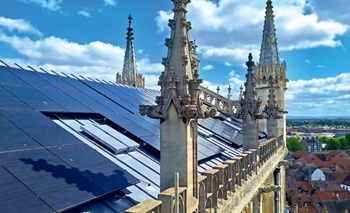
Success requires understanding each site in detail.
Level 6 Design, Construction and Management BSc

CIOB launches first-ever degree programme to develop the next generation of construction leaders.

Open for business as of April, with its 2026 prospectus and new pipeline of housing schemes.
The operational value of workforce health

Keeping projects moving. Incorporating unplanned absence and the importance of health, in operations.
A carbon case for indigenous slate

UK slate can offer clear embodied carbon advantages.
Costs and insolvencies mount for SMEs, despite growth

Construction sector under insolvency and wage bill pressure in part linked to National Insurance, says report.
The place for vitrified clay pipes in modern infrastructure

Why vitrified clay pipes are reclaiming their role in built projects.

Research by construction PR consultancy LMC published.
Roles and responsibilities of domestic clients

ACA Safety in Construction guide for domestic clients.
Fire door compliance in UK commercial buildings

Architect and manufacturer gives their low down.