





Utilities' connections
Water, gas, electricity, sewerage and telecommunications are collectively referred to as utilities. Utilities’ connections are those points at which incoming utilities are connected to allow them to serve a user, whether in a house, apartment, commercial or other property.
Services such as water, electricity and gas typically enter a building below ground; those leaving a building (such as drainage) typically either pass through a wall below ground or through the foundation itself if it is of the vertical strip variety. It is therefore important at the design stage to ensure provision is made for these pass-through points eg using precast concrete lintels or brick arches over openings in walls and so on. The process can be simplified if the service pipe can be positioned as the below-ground wall is being built. When passing through foundations, these service supply pipe openings must be formed at the precise locations before concreting takes place, either by using open-ended timber boxes or plastic pipe.
Connection points vary depending on the utility in question. Water connections between supplier and user tend to be close to the boundary of the property. The water company’s stop valve (or stop cock) is usually located on the site perimeter and is connected to the stop valve located within the property and accessible by the customer. From here, the rising main serves the building’s drinking, heating and other facilities and cold-water storage tank (if there is one).
Gas and electricity connections tend to be inside the property at accessible points: the first point of connection for both gas and electricity will be at their respective meter which will be in a position that allows easy reading, both by the user and by utility personnel.
To avoid the risk of explosion, fire and electrocution, electrical services should be well separated from gas and water services. Gas and electricity should not enter the building through the same duct.
The infrastructure necessary to supply utilities may be provided by the network operator, or increasingly, by an independent provider (to an agreed design that is then ‘adopted’ by the network operator). Installing connecting pipes and cabling from the respective gas and electricity metres is usually undertaken by specialist subcontractors and should be carried out before the building’s finishes are applied. Once installed, gas and electrical services should be inspected by representatives of the respective utilities to ensure the work complies with requirements.
In a bid to ensure ongoing safety and efficiency, public utility service organisations may periodically check for possible damage to existing installations.
[edit] Related articles on Designing Buildings Wiki
- Building services.
- Electrical control systems.
- External works.
- Renewable energy.
- Statutory undertakers.
- Sustainable urban drainage systems.
- Third party dependencies.
- Types of building services.
- Utilities.
- Utilities cost.
- Water conservation.
[edit] External references
Featured articles and news
Costs and insolvencies mount for SMEs, despite growth

Construction sector under insolvency and wage bill pressure in part linked to National Insurance, says report.
The place for vitrified clay pipes in modern infrastructure
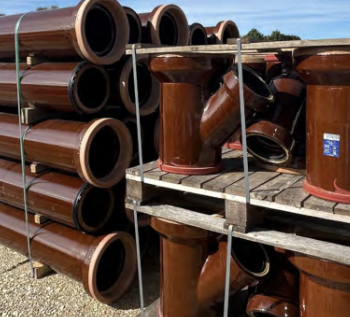
Why vitrified clay pipes are reclaiming their role in built projects.

Research by construction PR consultancy LMC published.
Roles and responsibilities of domestic clients

ACA Safety in Construction guide for domestic clients.
Fire door compliance in UK commercial buildings

Architect and manufacturer gives their low down.
Plumbing and heating for sustainability in new properties
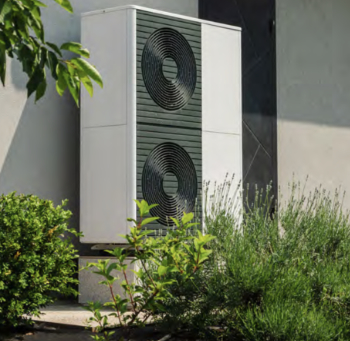
Technical Engineer runs through changes in regulations, innovations in materials, and product systems.
Awareness of the Carbon Border Adjustment Mechanism
What CBAM is and what to do about it.
The new towns and strategic environmental assessments
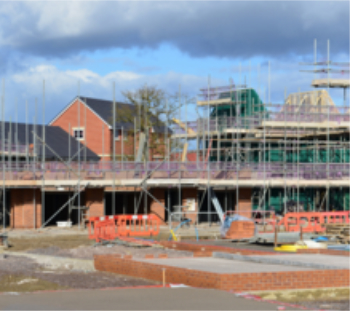
12 locations of the New Towns Taskforce reduced to 7 within the new towns draft programme and open consultation.

Buildings that changed the future of architecture. Book review.
The Sustainability Pathfinder© Handbook
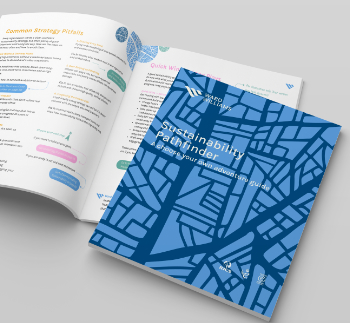
Built environment agency launches free Pathfinder© tool to help businesses progress sustainability strategies.

Government outcome to the late payment consultation, ECA reacts.
IHBC 2025 Gus Astley Student Award winners

Work on the role of hewing in UK historic conservation a win for Jack Parker of Oxford Brookes University.
Future Homes Building Standards and plug-in solar
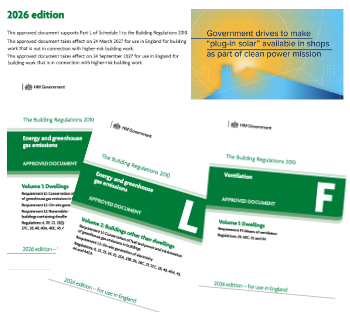
Parts F and L amendments, the availability of solar panels and industry responses.
How later living housing can help solve the housing crisis

Unlocking homes, unlocking lives.
Preparing safety case reports for HRBs under the BSA
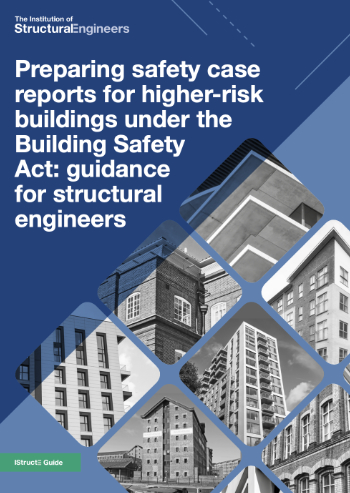
A new practical guide to preparing structural inputs for safety cases and safety case reports published by IStructE.
Male construction workers and prostate cancer

CIOB and Prostate Cancer UK encourage awareness of prostate cancer risks, and what to do about it.