






The Poetry of Natural Landscapes; Nasir Shahzad

Not every painter who works outdoors truly sees what is in front of them. Nasir Shahzad does. Rooted in the valleys of Abbottabad, his landscape art grows directly from the land he knows well. His canvases carry the mood of misty mornings, the warmth of afternoon light on a hillside, and the stillness that settles over a valley at dusk. For viewers in Pakistan who have stood in those northern landscapes and felt something difficult to name, his paintings give that feeling a visible form.
Contents |
[edit] A Painter Shaped by Place
The landscapes around Abbottabad are not dramatic in the way mountain peaks are dramatic. They are gentle. Green hills fold into each other. Light moves slowly across open fields. Streams appear and disappear between trees.
Nasir Shahzad has spent years observing this environment closely. That kind of long familiarity with a place shows in the work. He does not paint generic countryside. He paints specific qualities of light, specific kinds of quiet, specific colors that only appear in those hills at certain times of day.
This is what separates a serious landscape artist from someone who simply paints green fields and blue skies. The difference is attention. And Shahzad pays close attention.
[edit] What His Paintings Actually Show
[edit] Light as the Real Subject
In most of his compositions, light is not just a technical element. It is the subject. The way afternoon sun filters through tree cover, the soft grey of a misty morning, the warm orange that settles on a hillside just before evening. These are the things Nasir Shahzad is actually painting, even when the canvas shows a valley or a village path.
This approach places him in a long tradition of landscape paintings where weather and atmosphere carry as much meaning as the physical features of a place.
[edit] Village Life Within Nature
His work also includes the human side of natural settings. A landscape village painting in his style does not treat the village as separate from the land. A cluster of simple homes sits inside the hills as naturally as the trees around them. Figures appear small against open fields, not because they are unimportant but because the scale of the natural world around them is part of the point.
This is honest observation. In the valleys of northern Pakistan, the land is larger than the life happening on it. His paintings reflect that balance.
[edit] The Mood He Creates
One of the most consistent qualities in Nasir Shahzad's work is the feeling of calm it produces. These are not exciting paintings in the way that action or conflict is exciting. They ask the viewer to slow down.
Part of this comes from his color choices. He works with:
- Soft greens and blue-greens for hills and tree cover
- Warm yellows and ochres for light falling on open ground
- Gentle greys and muted blues for mist, cloud, and shadow
- Earthy browns for paths, soil, and village structures
None of these colors shout. They settle. The palette creates the same feeling as stepping outside on a cool morning in a quiet place.
[edit] Handmade Work in a Digital Age
There is value in handmade paintings of nature that goes beyond the final image. Every mark on the canvas is a decision. The way a brush moves through wet paint to suggest the edge of a treeline, the pressure used to lay in a pale sky, the layering required to build the depth of a hillside. These are physical acts that carry time and intention.
Nasir Shahzad works in this tradition. His nature paintings are not produced quickly or mechanically. The process matters. Viewers who understand painting can see this in the surface of his canvases. Those who do not understand painting still feel it, even if they cannot name what they are responding to.
This is one reason why original landscape paintings continue to hold value and meaning in ways that printed reproductions do not.
[edit] Connection to Pakistani Landscape Tradition
Pakistan has a rich landscape to offer any painter willing to look at it seriously. From the northern valleys to the plains of Punjab to the coastal edges of Sindh, the range of environments is extraordinary. But the north, the area around Abbottabad, Nathiagali, and the Kaghan Valley, holds a particular visual quality. The light is clear. The colors are layered. The terrain is varied enough to offer constant new subjects.
As a landscape artist of Pakistan, Nasir Shahzad has chosen to go deep into one region rather than wide across many. That focus produces work with a consistency of vision. You recognize his paintings not just by style but by the specific quality of place they carry.
His beautiful paintings of nature communicate something real about northern Pakistan to viewers who have never been there, and something deeply familiar to those who have.
[edit] Nature Art as a Form of Attention
Nature art at its best is an act of sustained attention. The painter goes somewhere, stays, watches, and then tries to translate what was seen and felt into marks on a surface. That translation is never perfect. Something is always lost. But something is also found in the process, a distillation of experience that the original scene could not offer on its own.
Nasir Shahzad works this way. His paintings feel considered rather than rushed. Each canvas reflects time spent with a subject rather than a quick impression taken and moved past.
[edit] Conclusion
Nasir Shahzad is a painter who has found his subject and stayed with it. His landscape art grows from real connection to a specific place and a genuine response to how that place looks and feels across different seasons and times of day. His nature paintings are calm, honest, and quietly skilled. They ask nothing dramatic from the viewer except a moment of attention, and they reward that attention honestly. Expert Framing Art Gallery offers a curated collection of his work, bringing these landscapes to collectors and art lovers across Pakistan.
[edit] Frequently Asked Questions
Q. What is landscape art?
Landscape art is a genre where the primary subject is the natural environment. This includes hills, valleys, rivers, forests, fields, and open skies. It may also include villages or human figures, but the land itself remains the focus. Landscape art has been practiced across cultures for centuries and remains widely collected today.
Q. What is landscape painting?
Landscape painting is the practice of depicting outdoor natural environments on canvas or other surfaces. The painter observes qualities of light, color, weather, and terrain and translates these into a composed image. Landscape paintings range from highly detailed and realistic to loose, impressionistic interpretations of a place's atmosphere and mood.
Q. What makes a landscape painting feel realistic?
Realistic landscape paintings depend on accurate observation of light direction, color temperature, and spatial depth. Foreground elements are typically more detailed and warmer in tone, while distant areas become cooler and softer. This recession of detail and color is what gives a painted landscape the feeling of actual depth and open space.
Q. Why do painters focus on one specific region or landscape?
Focusing on one region allows a landscape artist to develop a deeper understanding of how light, season, and weather affect that specific place. Over time, this familiarity produces work with a consistent and recognizable character. Painters rooted in a place tend to capture it more honestly than those who visit briefly and move on.
Q. What is the difference between nature art and landscape art?
Nature art is a broad term covering any artwork inspired by the natural world, including plants, animals, water, and weather. Landscape art is more specific, focusing on the spatial environment, the arrangement of land, sky, and natural features within a composition. All landscape art is nature art, but not all nature art is landscape art.
Q. Why are handmade paintings of nature valuable?
Handmade paintings of nature carry the evidence of real decisions and physical process. Every brushstroke reflects a choice made by the artist in response to what they observed. This human quality cannot be replicated by printing or digital reproduction. Original painted works hold a presence and texture that makes them fundamentally different from any copy.
Q. What role does light play in landscape paintings?
Light is often the true subject of landscape paintings, even when hills or fields appear to be the focus. The direction, warmth, and quality of light determine the mood of an entire composition. Morning light feels different from afternoon light. Overcast days produce different colors than sunny ones. A skilled landscape artist paints these differences carefully.
Q. How do landscape village paintings differ from pure nature paintings?
Landscape village painting includes human elements such as homes, paths, and figures within a natural setting. Rather than replacing the landscape, these elements become part of it, showing how people live within and alongside the natural world. This approach adds a layer of human warmth and scale that pure nature paintings without any figures do not carry.
Featured articles
Check out some of the best features and news from Designing Buildings as well as key stories from around the web.
Bridging the gap between clients and contractors
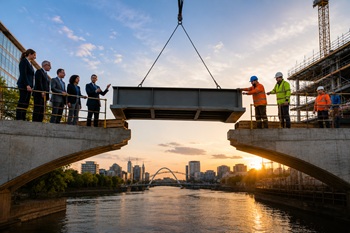
Concerns remain around contractor quality, capability, and delivery.
Construction Management, 10 June.

Heat pumps beat boilers in new home tests.
Building Safety Act implementation in Wales

CIAT to host industry panel on 26 June.
New and updated CLC building safety guidance.
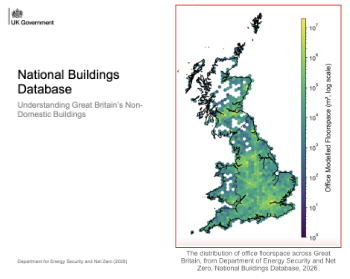
New UK National Buildings Database.
Building Safety Wiki Interviews

Chief executive of the British Woodworking Federation.
Planning condition discharge in England and Wales

A brief explanation from a building compliance expert, with further links.
Overheating guidance and tools for building designers

Guidance for dealing with element of building fabric control that have increasing importance.
Shading for housing, a design guide

From the Good Homes Alliance and British Blind and Shutter Association.
UK Standard Skills Classification (SSC)

A shared framework for describing skills needs.
Social media ban consultation comes to close

CIOB urges UK Government to consider social media’s role in careers guidance in ban debate.