





The Dry Stone Walling Association of Great Britain DSWA
The Dry Stone Walling Association of Great Britain (DSWA) was established in 1968 as a registered charity, working to advance education in the craft of drystone walling and maintain it as heritage for public benefit. As a charity it is governed by a board of twelve elected Trustees, who are volunteers and elect a Chairman and Deputy Chairman, legal responsibilities lie with the Trustees.
Since its formation the DSWA has grown in to a national organisation recognised and respected for its work. It has two sub committees which are: The Craft Skills Group, responsible for training and certification activities and The Staffing Committee, looking at the staffing requirements of the Association. The national office is based in Cumbria and there are 18 regional branches spread throughout the UK.
The DSWA estimates that there are approximately 200,000 km of dry stonewalls in the UK, many of which are in poor condition and in need of repair.
For further information about dry stone walling and the work of the DSWA visit: https://www.dswa.org.uk
[edit] Related articles on Designing Buildings
- Building with structural stone.
- Choosing stone.
- Caithness Broch Project.
- Conservation in the Highlands and Islands.
- Development of sustainable rural housing in the Scottish Highlands and Islands.
- Dry stone walling.
- Development of sustainable rural housing in the Scottish Highlands and Islands.
- Engaging communities in our Highlands and Islands.
- Finding stone to conserve historic buildings.
- IHBC articles.
- Lord Leverhulme on Lewis and Harris.
- Orkney gables.
- Macallan Distillery.
- Masonry.
- Modern Stonemasonry.
- Matthew Davidson stonemason and civil engineer.
- New architecture of Scotland’s west coast.
- Re-thatching a Hebridean blackhouse.
- Thatch.
- The architecture of the Isle of Man.
- The challenges and opportunities of conservation in the Highlands and Islands.
- The Institute of Historic Building Conservation.
- The Scots reed thatching tradition.
- Traditional construction materials on the Isle of Man.
- Traditional straw thatching in times of shortage.
- Types of stone.
- Vernacular architecture.
Featured articles and news

ECA, JIB and JTL back Fabian Society call to invest in skills for a stronger built environment workforce.

Women's Contributions to the Built Environment.
Calls for the delayed Circular Economy Strategy

Over 50 leading businesses, trade associations and professional bodies, including CIAT, and UKGBC sign open letter.
The future workforce: culture change and skill

Under the spotlight at UK Construction Week London.

A landmark moment for postmodern heritage.
A safe energy transition – ECA launches a new Charter

Practical policy actions to speed up low carbon adoption while maintaining installation safety and competency.
Frank Duffy: Researcher and Practitioner

Reflections on achievements and relevance to the wider research and practice communities.
The 2026 Compliance Landscape: Fire doors

Why 'Business as Usual' is a Liability.
Cutting construction carbon footprint by caring for soil

Is construction neglecting one of the planet’s most powerful carbon stores and one of our greatest natural climate allies.
ARCHITECTURE: How's it progressing?

Archiblogger posing questions of a historical and contextual nature.
The roofscape of Hampstead Garden Suburb

Residents, architects and roofers need to understand detailing.
Homes, landlords. tenants and the new housing standards

What will it all mean?
The Architectural Technology podcast: Where it's AT

Catch-up on the latest episodes.
Edmundson Apprentice of the Year award 2026

Entries now open for this Electrical Contractors' Association award.
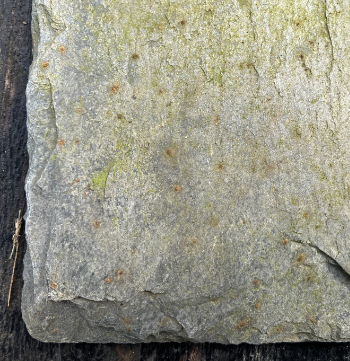
Traditional blue-grey slate from one of the oldest and largest UK slate quarries down in Cornwall.
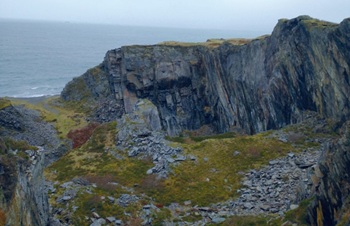
There are plenty of sources with the potential to be redeveloped.
Change of use legislation breaths new life into buildings

A run down on Class MA of the General Permitted Development Order.
Solar generation in the historic environment

Success requires understanding each site in detail.