





Security glazing
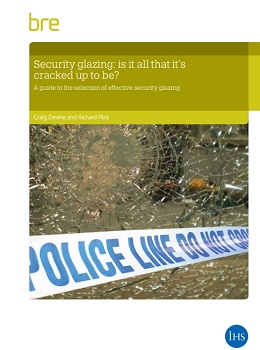
In October 2016, BRE published the findings of a research project undertaken to investigate the performance and safety of glazing in security applications. The guide was primarily developed to help with the selection of effective security glazing.
The publication of ‘Security glazing: Is it all that it’s cracked up to be?’ (FB 55) followed a series of burglaries in London’s West End in 2008, ‘smash-and-grab’ attacks used to steal expensive goods from shop window displays.
The research explored the notion that, in some cases, glazing offered the least resistance to forced entry in situations where the generation of noise did not deter criminals. This premise was further demonstrated in the 2011 riots that hit major cities around the UK.
In addition to focusing on security, the research also examined an associated safety issue – that the majority of injuries from explosive events, including terrorist attack, invariably result from flying glass particles. Therefore, finding the correct specification of glazing to resist attack and reduce injury is vital.
The research uncovered a problem relating to the selection of an appropriate product to meet these dual requirements. A number of different glazing standards have been developed based upon specific test requirements. For example, glazing may be subject to a simulated manual attack or impacted by a known mass at a known velocity. However, the test results are not always directly comparable with those of tests conducted to other standards.
It is therefore useful to have an understanding of which standard is best suited to a particular application.
The types of glazing that the guide covers include:
- Acrylic.
- Fire-resistant glass.
- Float glass.
- Glass brick.
- Insulated glazing units.
- Laminated glass.
- Polycarbonate.
- Toughened glass.
- Wired glass.
The guide aims to assist architects, consultants, police officers and others who advise people on the selection of effective security. As well as focusing on physical security, particularly the resistance to manual attack of different glazing types, the guide also contains advice relating to other performance attributes.
You can download the guide from BRE Bookshop.
[edit] Related articles on Designing Buildings Wiki
- Annealing.
- BRE articles on Designing Buildings Wiki.
- Building fabric.
- CCTV.
- Electric lock.
- Embedded security: Procuring an effective facility protective security system.
- Fire detection and alarm systems.
- Glass.
- Glass block wall.
- Glass manifestation.
- Glazing.
- How to install an underfloor safe.
- Outbuildings security.
- Patent glazing.
- Perimeter security.
- Polycarbonate plastic.
- SABRE Security Assurance by the Building Research Establishment.
- Safety glass.
- Secondary glazing.
- Security and the built environment.
- Types and manufacture of laminated glass.
- Types of alarm.
- Types of lock.
Featured articles
Check out some of the best features and news from Designing Buildings as well as key stories from around the web.

CIOB celebrates positive Ofsted report.

The Building Safety Regulator announces a call for evidence.

Government approach could undermine delivery and regeneration.
World's first mass timber data centre.

The overlooked environmental aspect of data centre development.
Introduction to radon awareness

New technical information sheet published by CIOB.

Updated supplier guide can help electrical contractors engage with NHP.

CIAT confirm the winners of the 2026 architectural technology awards.

Government launches a one stop shop for flood preparedness.

Sir Edwin Lutyens: Britain's greatest architect? Book review.

CIOB publishes free template to help assess and manage risks.
ECA's reflections on Party Conference season

Burnham wants to be confident of winning before asking for a fresh mandate.
New Chief Construction and Scientific Adviser

Sergio Cavalaro, Professor of Infrastructure Systems at Loughborough University.