





School Travel Planning: A Complete Guide
Contents |
[edit] 

[edit] Introduction
School trips provide valuable opportunities for students to learn beyond the classroom, develop social skills, and gain new experiences. Whether organising a local educational visit, a sports tournament, a cultural excursion, or a residential trip, effective travel planning is essential for ensuring a safe and successful journey. Careful preparation helps schools minimise risks, manage budgets, maintain schedules, and provide a positive experience for students and staff. A well-organised travel plan not only improves logistics but also allows participants to focus on learning and enjoyment throughout the trip.
[edit] Define the Purpose of the Trip
Every successful school trip begins with a clear objective. Understanding the purpose of the journey helps organisers make informed decisions about destinations, transportation, activities, and schedules.
Educational visits may focus on curriculum enrichment, while sports trips prioritise competition and team development. Cultural excursions often aim to broaden students' understanding of history, art, or society. Clearly defining the goals of the trip ensures that all planning decisions support the intended learning outcomes and overall experience.
[edit] Choose Suitable Transportation
Selecting appropriate transportation is one of the most important aspects of school travel planning. Safety, reliability, and comfort should always be top priorities when arranging travel for students.
The size of the group, distance to the destination, and duration of the journey all influence transportation requirements. Minibuses and coaches for school trips are popular choices because they allow groups to travel together efficiently. Reliable transport providers with experienced drivers can help ensure smooth journeys and minimise potential disruptions.
[edit] Establish a Realistic Budget
Budget planning plays a crucial role in organising any school trip. Travel costs can include transportation, accommodation, attraction fees, meals, insurance, and emergency expenses.
Creating a detailed budget early in the planning process helps schools avoid unexpected financial challenges. It is also important to communicate costs clearly to parents and guardians. Careful budgeting ensures that resources are used effectively while maintaining the quality and safety of the trip.
[edit] Conduct Risk Assessments
Student safety should remain the highest priority throughout the planning process. Risk assessments help identify potential hazards and establish procedures for managing them effectively.
Schools should evaluate transportation arrangements, accommodation facilities, planned activities, weather conditions, and medical requirements. Emergency contact information, first-aid provisions, and staff responsibilities should also be clearly documented. Thorough risk assessments help reduce uncertainty and improve preparedness for unexpected situations.
[edit] Plan a Structured Itinerary
A well-organised itinerary helps ensure that the trip runs smoothly and that students gain maximum benefit from the experience. The schedule should balance educational activities, travel time, meals, and opportunities for rest.
Providing a detailed itinerary allows students, parents, and staff to understand what to expect throughout the journey. Clear planning reduces confusion and helps maintain efficient time management. Flexibility should also be included to accommodate unforeseen delays or changes in circumstances.
[edit] Communicate Effectively with Parents and Guardians
Open communication with parents and guardians is essential for successful school travel planning. Families should receive comprehensive information about the trip, including travel arrangements, schedules, costs, accommodation details, and safety measures.
Consent forms, medical information, and emergency contact details should be collected well in advance. Regular updates help build confidence and ensure that parents remain informed throughout the planning process. Effective communication supports transparency and encourages cooperation between schools and families.
[edit] Prepare Students for the Journey
Students should be properly prepared before departure to ensure they understand expectations and responsibilities during the trip. Pre-trip briefings provide an opportunity to explain behaviour guidelines, safety procedures, and itinerary details.
Providing students with clear instructions helps promote positive conduct and reduces the likelihood of problems during travel. Preparation also encourages students to engage more confidently with the educational opportunities available throughout the trip.
[edit] Evaluate the Trip Afterwards
The planning process should not end when the journey concludes. Evaluating the success of the trip helps schools identify strengths and areas for improvement for future travel arrangements.
Feedback from students, staff, and parents can provide valuable insights into transportation, accommodation, activities, and overall organisation. Reviewing outcomes against the original objectives helps determine whether the trip achieved its intended goals. Continuous evaluation supports the development of even more successful educational visits in the future.
[edit] Conclusion
Effective school travel planning requires careful preparation, clear communication, and a strong focus on safety and organisation. By defining objectives, choosing suitable transportation, managing budgets, conducting risk assessments, creating structured itineraries, communicating with parents, preparing students, and evaluating outcomes, schools can deliver rewarding travel experiences that support learning and personal development. A well-planned trip not only enhances educational opportunities but also creates lasting memories for students and staff. Through thorough planning and attention to detail, schools can ensure that every journey is both enjoyable and successful.
Featured articles
Check out some of the best features and news from Designing Buildings as well as key stories from around the web.
Passive fire protection webinar

MEP services penetration seals.

Where its at podcast (and video) - The role of the Architectural Technologist as an Expert Witness.
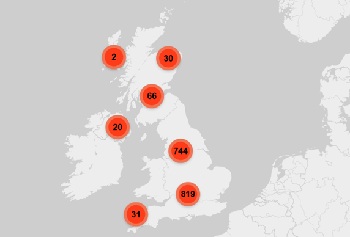
More than 200 remarkable buildings added to SAVE’s Buildings at Risk register.

Government scraps pre-application consultation for Nationally Significant Infrastructure Projects.
Historic England and infrastructure

New projects offer opportunities for the historic environment and local communities.
Construction Management, 2 July

Construction deaths halve in two years.
Green Book changes to drive investment in all parts of UK.
Minimum energy efficiency standards (MEES)

CIAT briefing on response to consultations for privately rented non-domestic properties.
Connect, collaborate, shape the future

Registration now live for UK Construction Week Birmingham.

CIOB announces Saul Humphrey FCIOB as new President for 26/27 term.

A quick, simple, and zero-bills solution to prevent overheating.
The adaptive reuse of large industrial structures.

Promoting the circular economy by extending the life of buildings.