





Sash windows

Contents |
[edit] Introduction
Domestic windows are made from a wide range of materials and come in a many colours, finishes, sizes, shapes and opening types.
A sash is a glazed part of a window or door assembly that opens for purposes of ventilation, viewing out, access, cleaning etc. In a casement window, the sash is the hinged part of the window (within the frame) that opens outwards or inwards. It is the part which holds the glass in position in a secondary frame within the main window frame.
However, the term 'sash windows' generally refers to sliding sash windows (also known as box sash windows). This is one of the older types of window, although its exact origin is unknown and its invention is still a subject of debate.
[edit] History
A form of sash window is mentioned in England as early as the 16th century, and another variation may have appeared in France in the 1600s. Surviving examples in Britain date from around 1670, and a noteworthy example (perhaps the earliest surviving version of the vertical sash window) was found at the country palace of Charles II at Newmarket in Suffolk.
Sash windows are typically found in Georgian and Victorian buildings but are still widely used in new buildings.
[edit] Sash window characteristics
There are two types of sash windows: horizontal sliding and vertical sliding. The horizontal version is also referred to as the Yorkshire sash or Yorkshire Light. It is a simple window that slides from side to side and does not require counterbalance weights.
For more information, see Yorkshire Lights.

The vertical version consists of one or two sashes that slide vertically up and down in a frame. Vertical sash windows incorporate a system of counterweights within the frame to keep them open and to make them easier to move. The sash is the glazed part which slides vertically to open, allowing ventilation and cleaning.
.jpg)
Vertical sash window
Modern sash windows generally have multi-functional mechanisms that allow them to tilt or pivot open from the bottom or side. This allows them to be cleaned from inside the property.
In the United States, sash windows are referred to as hung sash window, and are double-hung windows typically found in warmer parts of the country. Because they open both at the top and bottom, they can provide increased air circulation.
[edit] Related articles on Designing Buildings Wiki
Featured articles
Check out some of the best features and news from Designing Buildings as well as key stories from around the web.
Bridging the gap between clients and contractors

Concerns remain around contractor quality, capability, and delivery.
Construction Management, 10 June.
Heat pumps beat boilers in new home tests.
Building Safety Act implementation in Wales

CIAT to host industry panel on 26 June.

New and updated CLC building safety guidance.
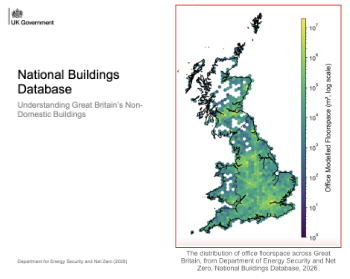
New UK National Buildings Database.
Building Safety Wiki Interviews

Chief executive of the British Woodworking Federation.
Planning condition discharge in England and Wales

A brief explanation from a building compliance expert, with further links.
Overheating guidance and tools for building designers

Guidance for dealing with element of building fabric control that have increasing importance.
Shading for housing, a design guide

From the Good Homes Alliance and British Blind and Shutter Association.
UK Standard Skills Classification (SSC)

A shared framework for describing skills needs.
Social media ban consultation comes to close

CIOB urges UK Government to consider social media’s role in careers guidance in ban debate.
Comments