






Programme narrative
A programme is a tool that can be used to divide works into a series of activities, each with a duration and logic links to preceding and succeeding activities. The programme may be depicted as a Gantt chart, line of balance diagram, pure logic diagram, time-scaled logic diagram or time-chainage diagram.
Within the NEC Engineering and Construction Contract (ECC), the ‘accepted programme’, is accepted by the project manager and should be a practicable and realistic representation of when the contractor intends to carry out each part of the works, identifying the resource they intend to use.
The programme narrative is a written explanation of the assumptions underlying the accepted programme (or the updated programme), its key resources, sequencing restraints, critical path, risks, exclusions, exceptions, and execution strategy.
Ref The Society of Construction Law Delay and Disruption Protocol, 2nd edition, published in February 2017 by the Society of Construction Law (UK).
NB The CIOB Planning Protocol 2021 (CIOB PP21), a technical information sheet published by the Chartered Institute of Building (CIOB) in February 2021, defines programme narrative as: ‘an accompanying written narrative to a submitted programme which describes the characteristics of a programme and areas of non-conformance with stress tests.’
[edit] Related articles on Designing Buildings Wiki
- Accepted programme.
- Activity schedule.
- Contractor's master programme.
- Early warning notice.
- Key dates.
- NEC contract change management systems.
- NEC early contractor involvement.
- NEC3.
- Programme for building design and construction.
- Programme.
- Progress in construction.
- Short period programme.
- Stress test.
- Tender works programme.
- Time Risk Allowance TRA.
- Works information.
Featured articles and news
Solar generation in the historic environment

Success requires understanding each site in detail.
Level 6 Design, Construction and Management BSc

CIOB launches first-ever degree programme to develop the next generation of construction leaders.

Open for business as of April, with its 2026 prospectus and new pipeline of housing schemes.
The operational value of workforce health

Keeping projects moving. Incorporating unplanned absence and the importance of health, in operations.
A carbon case for indigenous slate
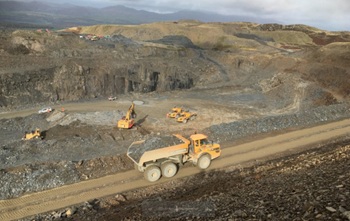
UK slate can offer clear embodied carbon advantages.
Costs and insolvencies mount for SMEs, despite growth

Construction sector under insolvency and wage bill pressure in part linked to National Insurance, says report.
The place for vitrified clay pipes in modern infrastructure
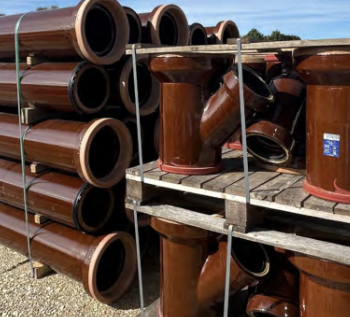
Why vitrified clay pipes are reclaiming their role in built projects.

Research by construction PR consultancy LMC published.
Roles and responsibilities of domestic clients

ACA Safety in Construction guide for domestic clients.
Fire door compliance in UK commercial buildings

Architect and manufacturer gives their low down.
Plumbing and heating for sustainability in new properties

Technical Engineer runs through changes in regulations, innovations in materials, and product systems.
Awareness of the Carbon Border Adjustment Mechanism
What CBAM is and what to do about it.
The new towns and strategic environmental assessments
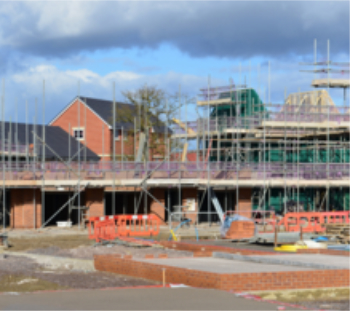
12 locations of the New Towns Taskforce reduced to 7 within the new towns draft programme and open consultation.
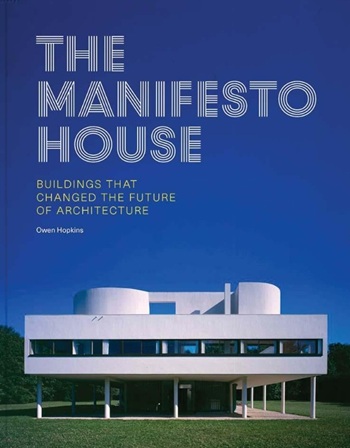
Buildings that changed the future of architecture. Book review.
The Sustainability Pathfinder© Handbook
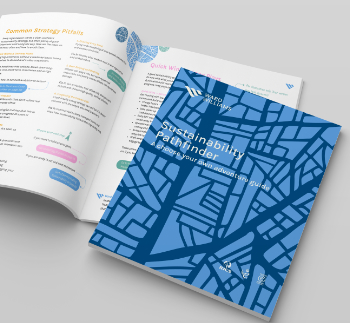
Built environment agency launches free Pathfinder© tool to help businesses progress sustainability strategies.
Government outcome to the late payment consultation, ECA reacts.