





Pressure equalized rainscreen systems
Pressure equalized rainscreen (PER) systems are a design that aims to achieve equal pressure on the exterior of a cladding system and to the interior air cavity beneath it, thus no pressure gains or losses mean no route for rain to enter the system. The concept of pressure equalization has been proven in many applications and continues to be widely used throughout the industry. Generally tested in the US to AAMA 508 standards, in the UK fire class tests will likely be according to Euroclass A1 or A2, A or B as the lower rating.
The Centre for Window and Cladding Technology (CWCT) defines a rainscreen cladding system as '...a wall comprising an outer skin of panels and an airtight insulated backing wall separated by a ventilated cavity. Some water may penetrate into the cavity but the rainscreen is intended to provide protection from direct rain'.
The Metal Constuction Association, Technical Bulletin MCM Panel System Definitions, dated March 2018 describes the design and functions of MCM Pressure equalized rainscreen (PER) systems as thus:
"Equalization is achieved by venting the interior airspace in precisely the correct locations and amounts. This venting allows air to quickly pass through the cladding joinery allowing the interior air space to quickly equalize with the exterior pressure while controlling water infiltration. However, this pressure equalization also means that the solid backing (such as gypsum board) must be properly designed and constructed behind the panel system. The air/water barrier becomes the primary air barrier for the building. In addition to the air/water barrier, the interior air space behind the panel system is typically divided into sealed and separate compartments. This prevents the air within the air space from migrating between higher and lower pressure zones. One method to create movement of air in differing pressure zones is the use of vertical and/or horizontal sealant as shown in Figure 6, however the design of adequate compartmentalization is beyond the scope of AAMA 508. When properly designed and installed, acceptable levels of pressure equalization can be proven in laboratory test results to nationally recognized standards."
[edit] Related articles on Designing Buildings
- Building fabric.
- Cladding.
- Composites.
- Copper.
- Crinkly tin.
- Curtain wall systems.
- Drained and back ventilated rainscreen systems.
- Dry Seals for metal composite material systems.
- Glazing.
- Metal.
- Metal composite material panel systems MCM and MCP.
- Metal profile cladding.
- Metal roofing.
- Modernising composite materials regulations.
- Rainscreen.
- Sandwich panel.
- Shingle roofing.
- Wall types.
- Weatherboarding.
- Wet Seals for metal composite material systems.
- Zinc
Featured articles and news
A safe energy transition – ECA launches a new Charter
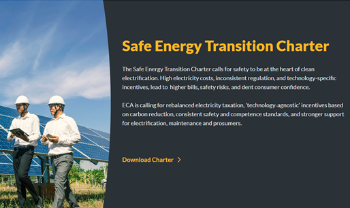
Practical policy actions to speed up low carbon adoption while maintaining installation safety and competency.
Frank Duffy: Researcher and Practitioner

Reflections on achievements and relevance to the wider research and practice communities.
The 2026 Compliance Landscape: Fire doors

Why 'Business as Usual' is a Liability.
Cutting construction carbon footprint by caring for soil

Is construction neglecting one of the planet’s most powerful carbon stores and one of our greatest natural climate allies.
ARCHITECTURE: How's it progressing?
Archiblogger posing questions of a historical and contextual nature.
The roofscape of Hampstead Garden Suburb
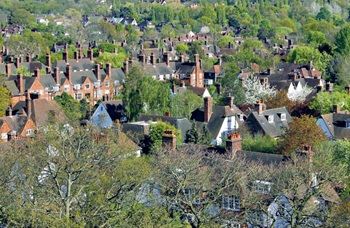
Residents, architects and roofers need to understand detailing.
Homes, landlords. tenants and the new housing standards
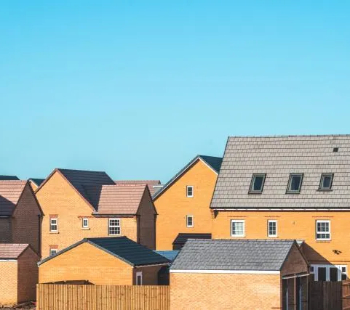
What will it all mean?
The Architectural Technology podcast: Where it's AT

Catch-up on the latest episodes.
Edmundson Apprentice of the Year award 2026
Entries now open for this Electrical Contractors' Association award.
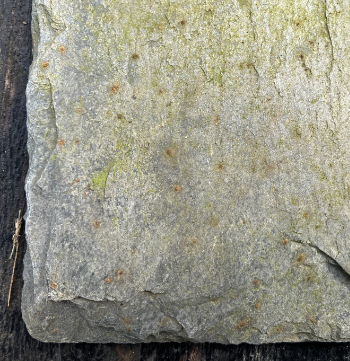
Traditional blue-grey slate from one of the oldest and largest UK slate quarries down in Cornwall.
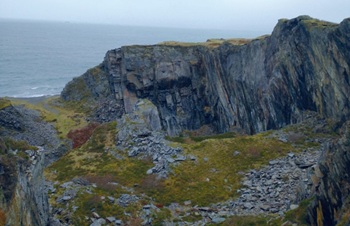
There are plenty of sources with the potential to be redeveloped.
Change of use legislation breaths new life into buildings

A run down on Class MA of the General Permitted Development Order.
Solar generation in the historic environment
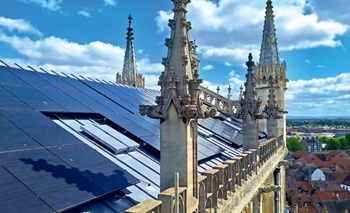
Success requires understanding each site in detail.
Level 6 Design, Construction and Management BSc
CIOB launches first-ever degree programme to develop the next generation of construction leaders.

Open for business as of April, with its 2026 prospectus and new pipeline of housing schemes.
The operational value of workforce health

Keeping projects moving. Incorporating unplanned absence and the importance of health, in operations.