






Plumbing Hydro Jetting
Contents |
[edit] Plumbing Hydro Jetting: The Ultimate Solution for Stubborn Clogs
If you’ve ever dealt with slow drains or recurring clogs, you know how frustrating plumbing issues can be. While snaking or using chemical cleaners might offer temporary relief, they often don’t address the root cause of the problem. That’s where plumbing hydro jetting comes in—a powerful, professional-grade solution that not only clears the blockage but thoroughly cleans your pipes for long-lasting results.
[edit] What Is Plumbing Hydro Jetting?
Plumbing hydro jetting is a method used by professional plumbers to clean clogged or slow sewage lines. It involves using a high-pressure hose equipped with a specialized nozzle that blasts water at extremely high pressures—typically between 3,000 to 8,000 PSI (pounds per square inch). This intense force can break through years of built-up grease, sludge, tree roots, mineral deposits, and other debris that conventional methods might leave behind.
Unlike traditional drain cleaning techniques, hydro jetting doesn’t just poke a hole through the clog—it scours the entire pipe wall, leaving the interior as clean as the day it was installed.
[edit] How Does Hydro Jetting Work?
The process begins with a thorough inspection, usually with a sewer camera. This helps the plumber identify the exact location and nature of the blockage, as well as check the condition of the pipes. Once everything is mapped out, the hydro jetting machine is connected to your plumbing system.
The high-pressure water is then directed through the pipes, dislodging everything from hardened grease to tree roots and pushing the debris toward the sewer system for disposal. The result? Smooth, clear, and debris-free pipes that restore full flow capacity.
[edit] When Should You Consider Hydro Jetting?
Hydro jetting is ideal for a variety of residential and commercial plumbing problems. Here are some signs that it might be time to call in the pros:
- Recurring Clogs: If your drains frequently clog, even after snaking or using drain cleaners, it could be a sign of deeper buildup that needs hydro jetting.
- Slow Drains: When water takes longer than usual to drain from sinks, tubs, or toilets, there could be a partial blockage or buildup in the pipes.
- Foul Odors: Unpleasant smells coming from your drains can be caused by trapped food, grease, or sewage—all of which hydro jetting can remove.
- Backups: Sewage backups are not only messy but dangerous. Hydro jetting can help prevent these by thoroughly clearing the pipes.
[edit] Benefits of Plumbing Hydro Jetting
There’s a reason more plumbers are recommending hydro jetting as the first line of defense against clogged pipes. Here are a few key benefits:
- Thorough Cleaning: Unlike other methods, hydro jetting doesn't just remove part of the clog—it eliminates the entire buildup along the pipe walls, preventing future blockages.
- Environmentally Friendly: No harsh chemicals are used in hydro jetting. It relies entirely on water, making it safe for your pipes and the environment.
- Cost-Effective in the Long Run: While hydro jetting may seem more expensive upfront compared to snaking, it offers a more complete clean, reducing the need for frequent service calls and saving money over time.
- Versatile: Hydro jetting is suitable for various types of clogs and pipe materials. It can be used in homes, commercial buildings, and even industrial facilities.
- Prevents Future Issues: By removing all debris and buildup, hydro jetting helps extend the life of your plumbing system and minimizes the risk of future problems.
[edit] Is Hydro Jetting Safe for All Pipes?
While hydro jetting is highly effective, it's not suitable for every plumbing system. That’s why a camera inspection is so important. If your pipes are old, fragile, or made from materials like clay or corroded cast iron, high-pressure water could cause damage. In these cases, plumbers may recommend alternative methods or lower-pressure options to clean the pipes safely.
[edit] DIY vs. Professional Hydro Jetting
While it might be tempting to rent a pressure washer and try to do it yourself, hydro jetting is not a DIY job. The equipment used by professionals is specialized and powerful—too powerful for inexperienced hands. Incorrect use can result in pipe damage, injury, or worse. A certified plumber knows how to assess the system, adjust the pressure appropriately, and ensure the job is done safely and effectively.
[edit] Maintenance Tip: Schedule Regular Cleanings
Even if you’re not dealing with a major clog, hydro jetting can be a great preventative tool. Many commercial kitchens, for example, schedule hydro jetting annually to keep grease and food debris from building up. Homeowners can benefit from regular cleanings every few years, especially if your home is older or you’ve had clog issues in the past.
[edit] Final Thoughts
Plumbing hydro jetting is one of the most powerful and efficient ways to clean and maintain your plumbing system. It addresses the underlying cause of many common plumbing problems and offers a longer-lasting solution than traditional methods. Whether you’re facing stubborn clogs, slow drains, or just want to maintain your system’s health, hydro jetting is a smart investment in your home’s plumbing future.
When in doubt, call a licensed plumber to assess your system and determine if hydro jetting is the right solution. You’ll not only save yourself time and hassle but also enjoy the peace of mind that comes with clear, free-flowing pipes.
Featured articles
Check out some of the best features and news from Designing Buildings as well as key stories from around the web.

Confronting competency, codes, capacity and costs.
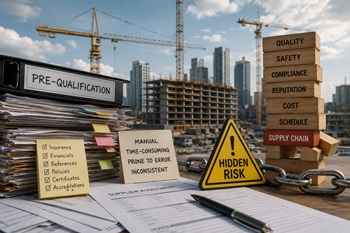
The hidden risk in modern construction supply chains.
Construction Management, 10 June

24 months to 14: CITB launches accelerated apprenticeships.
Bridging the gap between clients and contractors

Concerns remain around contractor quality, capability, and delivery.
Construction Management, 10 June.
Heat pumps beat boilers in new home tests.
Building Safety Act implementation in Wales

CIAT to host industry panel on 26 June.
New and updated CLC building safety guidance.

New UK National Buildings Database.
Building Safety Wiki Interviews

Chief executive of the British Woodworking Federation.
Planning condition discharge in England and Wales

A brief explanation from a building compliance expert, with further links.
Overheating guidance and tools for building designers

Guidance for dealing with element of building fabric control that have increasing importance.