





National Trust
Contents |
[edit] Introduction
The National Trust was founded in 1895 with the aim of saving the nation’s heritage, threatened countryside and coastline. It is a charitable organisation that is funded by membership fees, donations, legacies and income from the commercial operations. In 2014, the trust had more than 3.7 million members.
[edit] Management
The National Trust is governed by an elected board of Trustees and led by the Chairman and Deputy Chairman. A range of internal and external groups have been established to help run and advise the National Trust, including the Board committees, expert Panels and Regional Advisory Boards. The President of the National Trust is Prince Charles.
Numerous volunteers support the professional teams of staff that work in the properties and wider organisation.
[edit] Legislation
In 1907, the first National Trust Act was introduced. This has been amended and updated subsequently, and the current governance is provided by The Charities (National Trust) Order 2005.
[edit] National Trust strategy
The current strategy of the trust is focused on four main areas:
- Engaging with supporters.
- Improving conservation and environmental performance.
- Investing in people.
- Financing the future.
[edit] What the National Trust protects
The National Trust protects:
- Houses and buildings.
- Gardens and parks.
- Nature and wildlife.
- Coast and countryside.
- Sites and monuments.
- Collections.
[edit] Related articles on Designing Buildings Wiki.
- Archaeology.
- Areas of Outstanding Natural Beauty.
- Designated sites.
- Energy efficiency for the National Trust.
- English Heritage.
- Environment Agency.
- Gardens Trust.
- Historic England.
- Holy Austin rock houses.
- Listed buildings.
- National parks.
- Natural England.
- Natural Resources Wales.
- Scheduled monuments.
- Scottish Natural Heritage.
- Statutory consultees.
- Technology in the Country House.
- Wimpole Gothic Tower conservation.
[edit] External references
Featured articles and news
Costs and insolvencies mount for SMEs, despite growth

Construction sector under insolvency and wage bill pressure in part linked to National Insurance, says report.
The place for vitrified clay pipes in modern infrastructure
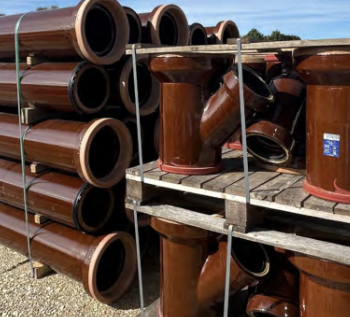
Why vitrified clay pipes are reclaiming their role in built projects.

Research by construction PR consultancy LMC published.
Roles and responsibilities of domestic clients
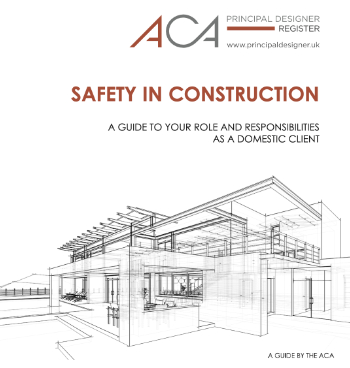
ACA Safety in Construction guide for domestic clients.
Fire door compliance in UK commercial buildings

Architect and manufacturer gives their low down.
Plumbing and heating for sustainability in new properties

Technical Engineer runs through changes in regulations, innovations in materials, and product systems.
Awareness of the Carbon Border Adjustment Mechanism
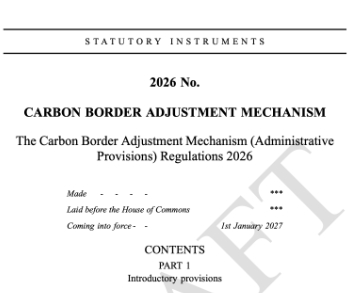
What CBAM is and what to do about it.
The new towns and strategic environmental assessments
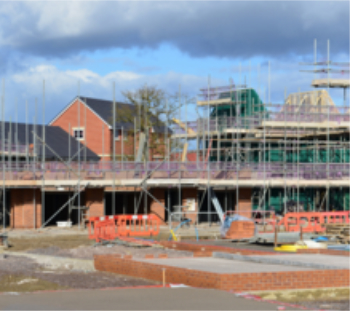
12 locations of the New Towns Taskforce reduced to 7 within the new towns draft programme and open consultation.
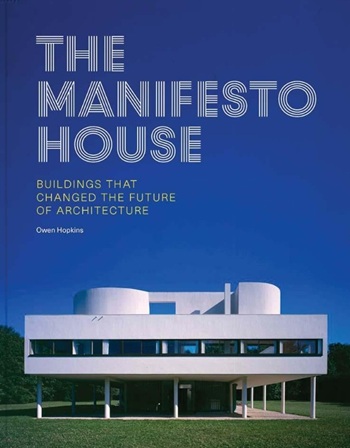
Buildings that changed the future of architecture. Book review.
The Sustainability Pathfinder© Handbook
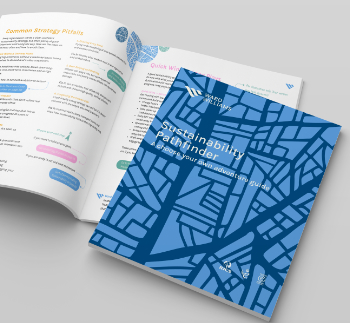
Built environment agency launches free Pathfinder© tool to help businesses progress sustainability strategies.
Government outcome to the late payment consultation, ECA reacts.
IHBC 2025 Gus Astley Student Award winners
Work on the role of hewing in UK historic conservation a win for Jack Parker of Oxford Brookes University.
Future Homes Building Standards and plug-in solar
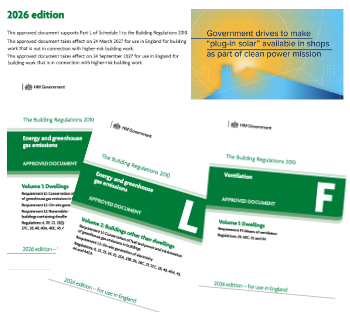
Parts F and L amendments, the availability of solar panels and industry responses.
How later living housing can help solve the housing crisis
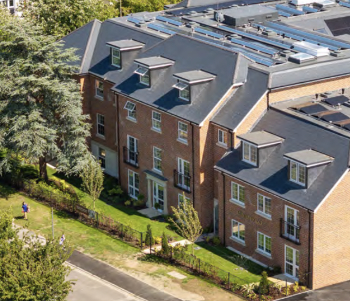
Unlocking homes, unlocking lives.
Preparing safety case reports for HRBs under the BSA
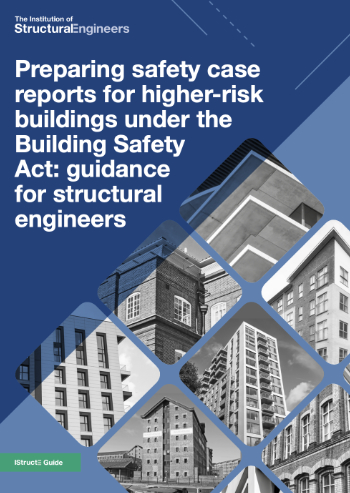
A new practical guide to preparing structural inputs for safety cases and safety case reports published by IStructE.
Male construction workers and prostate cancer
CIOB and Prostate Cancer UK encourage awareness of prostate cancer risks, and what to do about it.