





Importance of Efficient Heating Systems in Modern Building Design
The Importance of Efficient Boiler Systems in Modern Building Design
In an era where sustainability, energy efficiency, and occupant comfort are shaping the future of the built environment, efficient heating systems have become a cornerstone of modern building design. Among these systems, boilers continue to play a crucial role, especially in the UK, where central heating powered by boilers remains the standard in both residential and commercial properties.
As buildings become more intelligent and environmentally responsible, integrating efficient boiler systems is not only a regulatory requirement but also a strategic move that supports long-term energy savings, operational resilience, and user satisfaction.
Contents |
[edit] Boilers in the Modern Built Environment
Despite the rise of renewable technologies such as heat pumps and solar thermal panels, boilers remain one of the most widely used heating solutions in the UK. This is largely due to the existing infrastructure and the adaptability of modern condensing boilers, which can operate at over 90% efficiency by reclaiming waste heat from exhaust gases.
In new builds, especially where space is at a premium or budgets are tightly controlled, efficient boilers can be an ideal solution. Likewise, in retrofit projects where replacing outdated systems with new, energy-efficient options can significantly reduce operational carbon emissions boilers often represent the most practical and cost-effective choice.
[edit] Energy Regulations and Design Standards
Boiler systems must now meet increasingly stringent energy standards as outlined in Part L of the Building Regulations in England and Wales, which focus on the conservation of fuel and power. Compliance with these regulations is not optional; design professionals must ensure all heating systems contribute to overall building performance targets.
Condensing boilers with an ErP (Energy-related Products Directive) rating of A or higher are now considered standard, and additional energy-saving measures such as programmable thermostats, weather compensation, and zoning are often required for full compliance. These features not only enhance the performance of the system but also provide users with greater control over their energy use.
[edit] Retrofitting for Energy Efficiency
The UK government’s commitment to achieving net zero carbon emissions by 2050 has made retrofitting existing housing stock a national priority. While new homes will eventually rely on electric-based or low-carbon heating systems under the Future Homes Standard, millions of existing homes and buildings still depend on traditional gas boilers.
One of the most effective ways to improve an older building’s energy efficiency is by upgrading the heating system. In many cases, this means removing an aging, inefficient boiler and replacing it with a modern condensing boiler designed for optimal energy recovery and reduced emissions.
For homeowners and landlords alike, a new boiler installation represents a smart investment that improves heating performance, reduces energy bills, and aligns with evolving energy standards. The process is often faster and more affordable than full electrification and provides immediate benefits in terms of efficiency and comfort.
[edit] Key Considerations for Boiler Specification
When selecting a boiler system for a modern building, designers and engineers must evaluate a variety of performance and logistical factors. These include:
- Building type and use: Heating demand in a large commercial space will differ significantly from that in a single-family home. Accurate heat load calculations are essential.
- Energy efficiency: Look for systems with the highest seasonal efficiency and condensing capabilities. Modulating controls and integration with building management systems are key.
- Space and layout: Wall-mounted or compact units may be more suitable in smaller dwellings, while larger commercial installations may require cascade systems.
- Fuel type: While mains gas is still widely available, rural or off-grid locations may necessitate LPG, oil, or electric boiler solutions.
- Maintenance access: Consider the long-term ease of access for servicing, which impacts lifecycle costs and system reliability.
- Compatibility with renewable systems: Hybrid setups—where a boiler supplements a heat pump or solar thermal system—can offer both flexibility and efficiency.
Designers must also take into account future energy trends and ensure any system specified today can accommodate forthcoming legislative changes and innovations, such as hydrogen-ready boilers.
Conclusion
Efficient boiler systems remain an essential part of modern building design. Whether installed in new developments or as part of a retrofit strategy, they offer a reliable and effective way to meet the demands of energy performance, occupant comfort, and environmental responsibility.
As the construction industry moves toward smarter and greener buildings, selecting the right heating system is no longer just a technical choice it’s a critical design decision. Investing in a high-quality new boiler installation can reduce running costs, ensure regulatory compliance, and contribute meaningfully to the UK’s wider climate goals.
With careful planning and specification, efficient boiler systems will continue to serve as a backbone of comfortable, sustainable buildings for years to come.
Featured articles and news
The 2026 Compliance Landscape: Fire doors

Why 'Business as Usual' is a Liability.
Cutting construction carbon footprint by caring for soil

Is construction neglecting one of the planet’s most powerful carbon stores and one of our greatest natural climate allies.
ARCHITECTURE: How's it progressing?

Archiblogger posing questions of a historical and contextual nature.
The roofscape of Hampstead Garden Suburb

Residents, architects and roofers need to understand detailing.
Homes, landlords. tenants and the new housing standards

What will it all mean?
The Architectural Technology podcast: Where it's AT

Catch-up on the latest episodes.
Edmundson Apprentice of the Year award 2026

Entries now open for this Electrical Contractors' Association award.

Traditional blue-grey slate from one of the oldest and largest UK slate quarries down in Cornwall.

There are plenty of sources with the potential to be redeveloped.
Change of use legislation breaths new life into buildings

A run down on Class MA of the General Permitted Development Order.
Solar generation in the historic environment
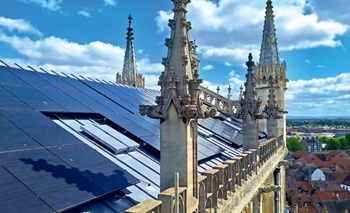
Success requires understanding each site in detail.
Level 6 Design, Construction and Management BSc

CIOB launches first-ever degree programme to develop the next generation of construction leaders.

Open for business as of April, with its 2026 prospectus and new pipeline of housing schemes.
The operational value of workforce health

Keeping projects moving. Incorporating unplanned absence and the importance of health, in operations.
A carbon case for indigenous slate
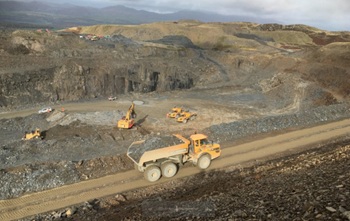
UK slate can offer clear embodied carbon advantages.
Costs and insolvencies mount for SMEs, despite growth

Construction sector under insolvency and wage bill pressure in part linked to National Insurance, says report.