





HVAC balancing

Contents |
[edit] Introduction
Heating, ventilation and air conditioning (HVAC) balancing is the process of conducting a comprehensive inspection of all aspects of HVAC systems, even when the systems involve independent components. The purpose of the process is to ensure that HVAC systems are operating properly by delivering the correct airflow throughout the facility.
The need for HVAC balancing becomes particularly apparent, for example, when space occupancy or usage change over time, but HVAC systems are not adjusted to respond to these changes. Consequently, temperatures may fluctuate from space to space, resulting in rooms that are too hot or too cold.
Regular inspection and maintenance ensures that systems are operating optimally. This form of maintenance is generally conducted by HVAC balancing consultants trained to evaluate system interaction with other elements of the building.
[edit] Inspection components
A typical report details all equipment found, the normal operating range or load design and the actual conditions found. The report should include comprehensive visual and mechanical evaluations.
The visual inspection of the components will uncover air leaks, loose connections or joints, pinched or perforated ducts, blockages, inappropriate ductwork (too long, too small or too sharply turned) or other parts of the system that may be malfunctioning.
During the mechanical evaluation, technicians test system performance by measuring airflow. They also record humidity levels, heat gains and heat losses.
This report is then used as the framework for the necessary repairs or corrections that will optimise the equipment and return it to its original performance levels. It also notes other potential problems that may be discovered during the visual and mechanical inspection process.
[edit] Inspection outcomes
In addition to resetting HVAC systems to their proper operating conditions, balancing activities can help improve overall efficiency and decrease energy demands. HVAC balancing can also help to increase the operational lifespan of equipment by repairing mechanical issues that occur over time. Building occupants should also experience more comfortable temperatures and improved indoor air quality as a result of the HVAC balancing process.
HVAC balancing will also take place during the commissioning process. For more information see: Commissioning.
[edit] Related articles on Designing Buildings
- Air conditioning.
- Air infiltration testing.
- Amber warnings raise building overheating concern.
- Approved Document F.
- Building services.
- Commissioning.
- Confirming knowledge of building services.
- COVID-19 and the US HVAC sector.
- Ductwork.
- Effective ventilation in buildings.
- Humidity.
- HVAC.
- Indoor air quality.
- Mechanical, electrical and plumbing MEP.
- Training for pre-commissioning cleaning of pipework systems.
- UV disinfection of building air to remove harmful bacteria and viruses.
- Ventilation.
Featured articles and news

We're expanding our collaborative mission by launching DB Intelligence, an exclusive market research advisory panel. Built environment professionals can now get paid to share their expertise on industry trends, products and services.
Panel members receive direct financial incentives for participating in research projects like short surveys, 1-2-1 interviews and focus groups. Register today to shape the future of the construction sector.
Social media ban consultation comes to close

CIOB urges UK Government to consider social media’s role in careers guidance in ban debate.
The latest of eight Skills England apprenticeship units

The addition of battery manufacturing welcomed by ECA with a warning about the risks of fast-tracked apprenticeship units.
Building Control Independent Panel final report

A precis of a key report led by Dame Hackitt with full recommendations and link to the government response.
Guide to ISO 19650 for Architecture Firms (2026)
A user gives their low down.

A UK training and membership provider for mould remediation professionals.
Building Safety recap April, 2026
A short and longer run-through of the month, with links to further information and sources.
CIAT May 2026 briefing.

Independent NSI and BAFE study exploring how organisations are changing the way they buy fire safety services.

From medieval scribes to modern word art.
ECA welcomes crackdown on late payment and push for clean energy, whilst CIOB seek fixed cladding removal timeframes.
Cyber Security in the Built Environment
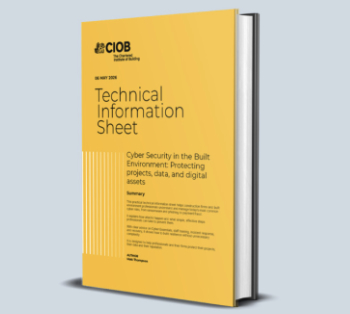
Protecting projects, data, and digital assets: A CIOB Academy TIS.
Managing competence in the built environment
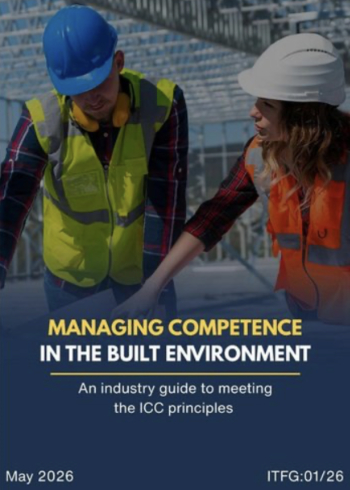
ITFG publishes new industry guide on how to meet the ICC principles.
The UK's campaign to reduce noise pollution: Mythbusting, articles and topic guides.