






Energy Efficiency Building Regulations UK
Contents |
[edit] Introducing the energy efficiency regs
Energy efficiency building regulations in the United Kingdom refer to the set of rules and standards that govern the energy performance of buildings. These regulations aim to ensure that new construction projects and major renovations adhere to specific guidelines designed to make buildings more energy-efficient and environmentally friendly. The primary goal is to reduce energy consumption, lower pollution emissions, and create more sustainable structures across the country. These regulations cover various aspects of a building's design, insulation, heating, ventilation, and lighting systems to promote energy efficiency and contribute to a greener and more sustainable future.
L1 and L2 planning regulations are part of the UK's Building Regulations that focus on the conservation of fuel and power in buildings. These regulations are designed to ensure that new constructions, renovations, and extensions meet certain energy efficiency standards to reduce energy consumption and minimise environmental impact. Let's take a closer look at L1 and L2 planning regulations:
[edit] L1 Building Regulations:
L1 regulations primarily apply to the conservation of fuel and power in new dwellings (houses and apartments). These regulations set specific standards for energy efficiency in residential buildings, to reduce energy consumption and greenhouse gas emissions.
Some key aspects of L1 regulations include:
Thermal Efficiency: L1 regulations specify requirements for insulation, glazing, and thermal performance of building elements, such as roofs, walls, and windows. These standards ensure that new homes are well-insulated and can maintain comfortable indoor temperatures with minimal heating or cooling.
Energy Performance Certificates (EPCs): New dwellings must achieve a certain energy performance rating as assessed through EPCs. These certificates provide information to potential buyers or tenants about the energy efficiency of the property.
Heating and Hot Water Systems: L1 regulations also address the energy efficiency of heating and hot water systems, encouraging the use of energy-efficient boilers, controls, and renewable energy sources where feasible.
[edit] L2 Building Regulations:
L2 regulations, on the other hand, apply to the conservation of fuel and power in buildings other than dwellings. This includes commercial, industrial, and public buildings.
The key objectives of L2 regulations are to reduce energy consumption, improve energy efficiency, and lower carbon emissions in non-residential structures.
Some important aspects of L2 regulations include:
Building Design and Fabric: L2 regulations require that commercial buildings are designed to be energy-efficient. This includes considerations for insulation, airtightness, and the use of energy-efficient materials.
Lighting and HVAC Systems: L2 also covers the energy efficiency of lighting and heating, ventilation, and air conditioning (HVAC) systems. Buildings are encouraged to use energy-efficient lighting and implement HVAC systems that minimise energy use while maintaining occupant comfort.
Renewable Energy: In certain cases, L2 regulations may require the incorporation of renewable energy sources or low-carbon technologies, such as solar panels or heat pumps, to meet energy efficiency targets.
Both L1 and L2 regulations are essential components of the UK's commitment to reducing carbon emissions. By setting strict energy efficiency standards for both residential and non-residential buildings, these regulations play a crucial role in creating more sustainable and environmentally friendly structures, aligning with the country's long-term sustainability goals. Compliance with these regulations not only benefits the environment but also helps building owners and occupants save on energy costs in the long run
[edit] Related articles on Designing Buildings
- Approved document L.
- Building Regulations.
- Climate change act.
- Energy efficiency of buildings.
- Energy efficiency regulations: The challenges for landlords.
- Energy performance certificates.
- Energy Savings Opportunity Scheme.
- Leadership in Energy and Environmental Design (LEED).
- New energy retrofit concept: ‘renovation trains’ for mass housing.
- Passivhaus.
- Performance gap.
- Renovation v refurbishment v retrofit.
- Sustainable development.
- Sustainable materials.
- Sustainable procurement.
- Sustainable urban drainage systems.
- Sustainability appraisal.
- Sustainability aspirations.
- Sustainability in facility management.
- The sustainability of construction works
- The code for sustainable homes.
Featured articles
Check out some of the best features and news from Designing Buildings as well as key stories from around the web.

38% of Gen Zs feel safe when a fire door is wedged open.
Stunning images from around the world

Shortlist for CIOB’s Art of Building photography competition.

Guidance for conversion of traditional pre-1919 stone buildings.
Industrial heritage in the Ruhr

A marked difference to the fate of industrial landscapes in the UK.
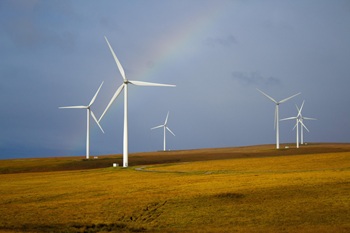
Communities will be able to build their own clean energy.
Why diversity and inclusion matters for SMEs

CIOB’s D&I Charter shows how practical changes can support long-term growth.
Cut electricity bills to power growth

Coalition sends joint letter to the Chancellor.

Gasholders: a history in pictures. Book review.
Recognition, influence and growth

SocEnv identifies three strategic pillars in new strategy to 2045.
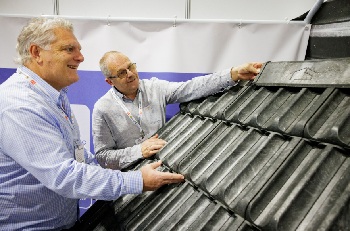
Discover the future of roofing, cladding and insulation.

New guidance for professional practice, cultural change and regulation in social housing.
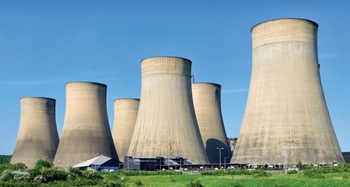
The heritage of nuclear and conventional power stations.