





Emission reduction and climate change 2021 reports for Parliament published
Contents |
[edit] Introduction
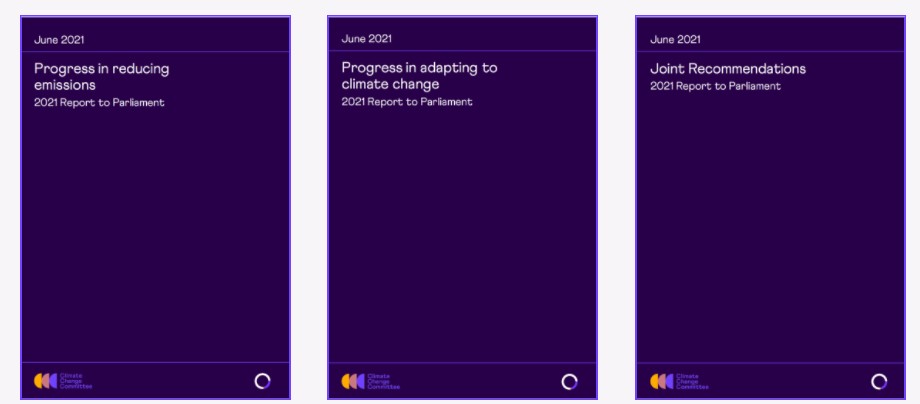
On 24 June 2021, the Climate Change Committee (CCC) published two resources reviewing the country’s progress in reducing emissions and adapting to climate change.
[edit] Progress in reducing emissions
The 2021 progress in reducing emissions report to Parliament acknowledged the historic climate promises made by the Government in the Prime Minister’s November 2020 Ten point plan for a green industrial revolution, but criticised the slow delivery of concrete policies and tangible actions.
Despite UK emissions falling to nearly 50% from their 1990 levels during the 2020 lockdown, they are expected to rebound. Lockdown measures led to a record decrease in UK emissions in 2020 of 13% from the previous year. The largest falls were in aviation (-60%), shipping (-24%) and surface transport (-18%).
While some of this change could persist (business travel may not be considered a necessity in a post-pandemic world), some levels have gone back up (car use is 20% below pre-pandemic levels, but HGV and van travel are back to pre-pandemic levels).
The CCC stresses that the relative success of decarbonising electricity must continue, but it must be matched with solid commitments to decarbonise buildings, transport, industry and agriculture.
The report states that sufficient reductions in emissions require sustained Government leadership underpinned by a strong net zero strategy including:
- A net zero test to ensure that all Government policy, including planning decisions, is compatible with UK climate targets.
- An ambitious Heat and Buildings Strategy that works for consumers.
- The delivery of plans for surface transport, aviation, hydrogen, biomass and food.
- Stronger plans for the power sector, industrial decarbonisation, the North Sea, peat and energy from waste.
- The resolution of the challenges of public engagement, fair funding and local delivery.
[edit] Progress in adapting to climate change in England
The Progress in adapting to climate change report found that progress has not been keeping up with the increasing risks facing the country. Only five of 34 sectors assessed by the CCC have shown notable progress since 2019, and no sector is scoring well in lowering its level of risk. According to the report, the National Adaptation Programme for England has not developed national preparedness for even a 2ºC rise in global temperature, let alone higher levels of warming that are possible by the end of the century. As the reality of the changing climate becomes clear, so does the required response. The Government must show it has a positive vision for a well-adapted country, with policies and regulations to address key risks.
The CCC has made 50 recommendations, including:
- Restoring 100% of upland peat by 2045, including through a ban on rotational burning.
- Bringing forward proposed plans to address overheating risk in homes through the Building Regulations.
- Making the Government’s next round of the Adaptation Reporting mandatory for all infrastructure sectors.
- Building a strong emergency resilience capability for the UK against climate shocks, learning from the COVID-19 response.
- Implementing a public engagement programme on climate change adaptation.
[edit] Additional resources
In support of the report, the CCC also published its Joint Recommendations along with a report entitled Research to review and update indicators of climate-related risks and actions in England (ADAS). This research was commissioned by the CCC to provide updated indicators (within the context of climate resilience) to inform the Adaptation Committee of the current evidence base.
[edit] Reaction
In response to the reports, Julie Hirigoyen, Chief Executive at UKGBC said, “Progress in upgrading our new build standards and enforcing them properly has fallen behind. Likewise, the Government must seize the opportunity offered by the new planning bill to deliver development and infrastructure that is compliant with net zero and resilient to climate change.”
“The Committee is right to call for the recently proposed overheating standard for new builds to be expanded to cover refurbishments of existing buildings and conversions of non-domestic buildings to residential use. 80% of the buildings that will exist in 2050 already exist, and it is therefore imperative for the future of our buildings - and for the wellbeing of those who occupy them - that swift action is taken to encourage the uptake of adaptation measures for overheating.”
[edit] Related articles on Designing Buildings Wiki
- Carbon emissions.
- Carbon emissions in the built environment.
- Carbon plan.
- Climate Change Act.
- ECA calls for urgent energy price reform.
- Interview with Julie Hirigoyen, UK-GBC.
- Reducing UK emissions: 2018 Progress Report to Parliament.
- UK Green Building Council.
- What's missing from The Government's 10-point plan?
[edit] External resources
- https://www.theccc.org.uk/wp-content/uploads/2021/06/CCC-Joint-Recommendations-2021-Report-to-Parliament.pdf
- CCC, Progress in adapting to climate change.
- CCC, Progress in reducing emissions report.
- CCC, Research to review and update indicators of climate-related risks and actions in England (ADAS).
- Gov.uk, Ten Point Plan for a Green Industrial Revolution.
Featured articles and news
Costs and insolvencies mount for SMEs, despite growth
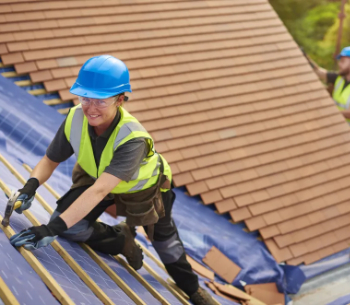
Construction sector under insolvency and wage bill pressure in part linked to National Insurance, says report.
The place for vitrified clay pipes in modern infrastructure
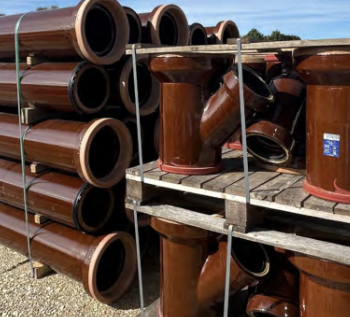
Why vitrified clay pipes are reclaiming their role in built projects.

Research by construction PR consultancy LMC published.
Roles and responsibilities of domestic clients
ACA Safety in Construction guide for domestic clients.
Fire door compliance in UK commercial buildings

Architect and manufacturer gives their low down.
Plumbing and heating for sustainability in new properties
Technical Engineer runs through changes in regulations, innovations in materials, and product systems.
Awareness of the Carbon Border Adjustment Mechanism
What CBAM is and what to do about it.
The new towns and strategic environmental assessments
12 locations of the New Towns Taskforce reduced to 7 within the new towns draft programme and open consultation.
Buildings that changed the future of architecture. Book review.
The Sustainability Pathfinder© Handbook
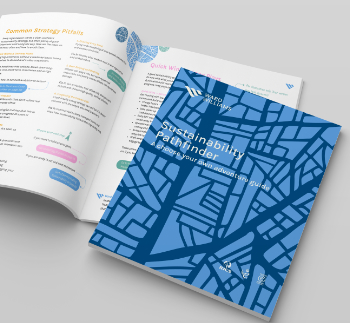
Built environment agency launches free Pathfinder© tool to help businesses progress sustainability strategies.
Government outcome to the late payment consultation, ECA reacts.
IHBC 2025 Gus Astley Student Award winners
Work on the role of hewing in UK historic conservation a win for Jack Parker of Oxford Brookes University.
Future Homes Building Standards and plug-in solar
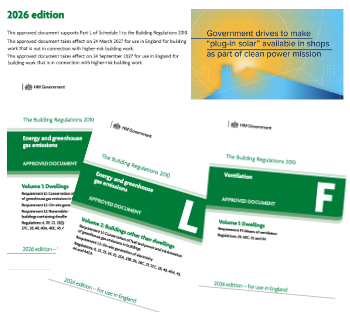
Parts F and L amendments, the availability of solar panels and industry responses.
How later living housing can help solve the housing crisis
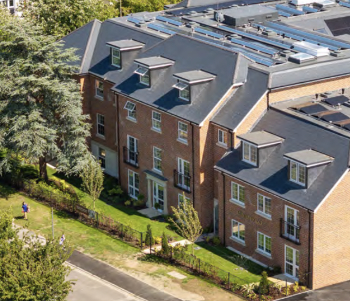
Unlocking homes, unlocking lives.
Preparing safety case reports for HRBs under the BSA
A new practical guide to preparing structural inputs for safety cases and safety case reports published by IStructE.
Male construction workers and prostate cancer

CIOB and Prostate Cancer UK encourage awareness of prostate cancer risks, and what to do about it.