





Dry riser
Dry risers are used to supply water within buildings for fire-fighting purposes. The provision of a built-in water distribution system means that fire fighters do not need to create their own distribution system in order to fight a fire and it avoids the breaching of fire compartments by running hose lines between them.
Dry risers do not contain water when they are not being used, but are charged with water by fire service pumping appliances when necessary. This is as opposed to wet risers, which are permanently charged with water.
Dry risers have an inlet connector at rescue service vehicle access level and landing valves at locations on each floor. Part B of the building regulations (Fire Safety) requires that fire mains are provided in buildings that are more than 18 m tall. In buildings less than 50m tall, fire mains can be either dry or wet risers, however, where a building extends to more than 50 m above the rescue service vehicle access level, wet risers are necessary as the pumping pressure required to charge the riser is higher than can be provided by a fire service appliance, and to ensure an immediate supply of water is available at high level.
Each inlet connector must be within 18 m of a fire service appliance access. Inlet connectors are typically contained in accessible, but secure enclosures on the external face of buildings and are identified as a ‘dry riser inlet’.
Dry risers themselves should be within fire-fighting shafts, and where necessary in protected escape stairs. Dry riser outlets, or landing valves, may be located in protected lobbies, stairs or enclosures where these are available.
At the top of dry-riser pipework an air valve is provided to allow air in the dry riser to escape when the riser is charged with water. There is often also a roof-level testing outlet.
Dry risers should be inspected and tested regularly to ensure equipment is functioning correctly and ready for use. Problems can be very serious in the event of a fire, and are typically caused by vandalism or theft, blockages or pipework failure or by connection failure or outlets being open.
NB Planning Gateway One - Glossary, published on the Planning Portal, defines a dry riser/dry rising main/dry fire main as: ‘A water supply pipe installed in a building for fire-fighting purposes, fitted with inlet connections at fire service access level and landing valves at specified points, which is normally dry but is capable of being charged with water usually by pumping from fire and rescue service appliances.’
[edit] Related articles on Designing Buildings
Featured articles
Check out some of the best features and news from Designing Buildings as well as key stories from around the web.
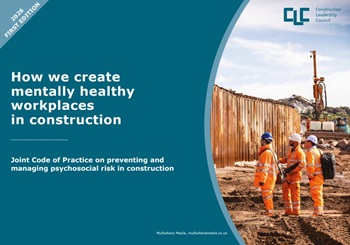
CLC publishes Mental Health Joint Code of Practice.
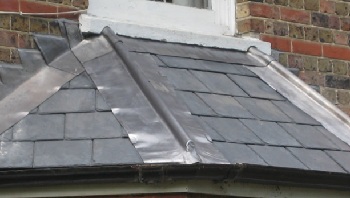
A quick introduction to its uses and risks.
Construction Management, 17 June

Government rolls out digital planning tool to all local authorities.

Your views needed - a strategy for the professions, trades and occupations.

Confronting competency, codes, capacity and costs.
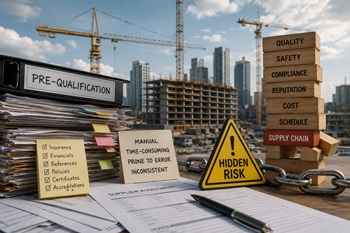
The hidden risk in modern construction supply chains.
Construction Management, 10 June

24 months to 14: CITB launches accelerated apprenticeships.
Bridging the gap between clients and contractors
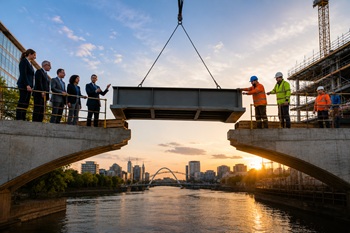
Concerns remain around contractor quality, capability, and delivery.
Construction Management, 10 June.
Heat pumps beat boilers in new home tests.
Building Safety Act implementation in Wales

CIAT to host industry panel on 26 June.

New and updated CLC building safety guidance.