





Design workshop
 A design workshop is a meeting of two or more individuals who collaborate to either start or finalise a design or to make progress on overcoming an obstacle on an existing design. The outcome should be progress made and decisions taken. Alternatively, it may be a structured session that aims to impart knowledge regarding some specific aspect of design to the participants.
Design workshops are usually based on the concept that finding the best possible creative solutions can result from bringing people together. Involving various parties in a workshop can be a useful tool to further collaboration within the design team and increase stakeholder participation.
On a building project, the participants may be from a single team e.g an architectural practice or may be from a diverse range of professions such as architect, engineer, surveyor, cladding manufacturer, and other construction disciplines.
The design workshop may either be formally structured and involve the participants working through a set of pre-determined exercises, or it may be unstructured and allowed to develop in the manner of a free-flowing brainstorming session. Whichever is selected, the flow of creative ideas should be encouraged, with the outcome being some advance in the design being discussed to the satisfaction of most of the participants.
[edit] Setting up a design workshop
When setting a design workshop, the following may be considered:
- What is the theme or title of the workshop? Define the problem?
- What outcomes are desired? Ensure invitees know the aim of the workshop.
- Establish a meeting plan, which may mean dividing the time into distinct parts.
- How long is the workshop intended to last?
- Who and how many people are to be invited?
- Who will be leading the workshop?
- Who will be recording what happens?
- How to ensure all attendees contribute, rather than just the most confident / loudest.
- How to develop a consensus.
- Ensure the necessary tools are available – e.g laptops, projection devices, flip-charts, post-it notes, paper, pens etc. Make slides of the main themes/activities to be discussed.
- Invite participants, communicating the above points, sending the agenda and informing them of the time, place and expected duration of the workshop, plus any arrangements for refreshments, lunch etc.
- What are the next steps.
[edit] Related articles on Designing Buildings
- Appointing consultants.
- Collaborative practices.
- Consultant team start-up meeting.
- Design co-ordination.
- Design management plan.
- Design management.
- Design manager.
- Design methodology.
- Design responsibility matrix.
- Design review.
- Design review panels.
- Design team.
- Information manager.
- Lead designer.
- Specialist contractors start-up meeting.
- Team behavioural roles.
- Team management.
Featured articles
Check out some of the best features and news from Designing Buildings as well as key stories from around the web.
Bridging the gap between clients and contractors
Concerns remain around contractor quality, capability, and delivery.
Construction Management, 10 June.
Heat pumps beat boilers in new home tests.
Building Safety Act implementation in Wales
CIAT to host industry panel on 26 June.
New and updated CLC building safety guidance.
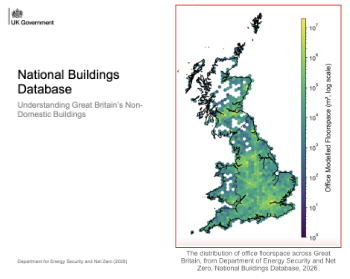
New UK National Buildings Database.
Building Safety Wiki Interviews

Chief executive of the British Woodworking Federation.
Planning condition discharge in England and Wales

A brief explanation from a building compliance expert, with further links.
Overheating guidance and tools for building designers

Guidance for dealing with element of building fabric control that have increasing importance.
Shading for housing, a design guide

From the Good Homes Alliance and British Blind and Shutter Association.
UK Standard Skills Classification (SSC)

A shared framework for describing skills needs.
Social media ban consultation comes to close

CIOB urges UK Government to consider social media’s role in careers guidance in ban debate.