





Daylighting exhibition space in museums and galleries
Contents |
[edit] Introduction
Museums and galleries offer a good example of how natural daylight can have a big impact on a building and its people. Letting sunlight into an exhibition space can make it a more pleasant place to be for the visitor, it gets the colour rendering right for many artworks, and can help reduce energy costs. However, the art itself must be carefully protected with precise regulation of light exposure.
Calculation of solar radiation exposure levels is an exact science, and must take into account many factors including the material composition and reflection of gallery surfaces, artwork lifespan, rate of exhibit change, and materials analysis of individual art pieces.
Where direct light is transmitted through glazing, careful modelling must take into account the variations of aspect, location and season. As an example, for permanent collections, the typical ‘limiting annual exposure’ is typically as low as 15,000 lux hours at an illuminance of 50 lux for highly-sensitive materials.
So how can we let the light in without damaging the star of the show? This article describes two shading systems that offer innovative and contrasting answers to this question.
[edit] Light diffusion at the Broad Museum, Los Angeles
Diller Scofidio + Renfro’s ‘Veil and Vault’ design creates beautiful and unusual lighting effects throughout what at times feels more like passing through an organic mulch than a building. The top floor gallery is illuminated by 350 shaped skylight clerestories, carefully modelled by lighting designers at Arup to let in diffuse natural daylight, but not direct light to the space below. The ambient light level is controlled from 100% light ingress to 100% blackout with Guthrie Douglas TESS™660 tensioned blackout shades integrated into each skylight.
The end result is both magical and technically precise, recognised by a number of prestigious awards including AIA Daylight Project of the Year, Best Interior Lighting Scheme, and Engineering News Project of the Year. It is also one of only a handful of museums in the world to achieve LEED Gold Status.
>> READ MORE ABOUT THE BROAD HERE
[edit] Layers of light at the National Museum of Art, Latvia
Daylight control in historic buildings often requires a creative approach to deal with existing windows and structures, and when Processoffice and Andrius Skiezgelas Architecture won an international design competition to renovate this Latvian cultural treasure, open space and natural daylight were key.
Natural sunlight floods directly into the attic gallery, a flexible exhibition space, through its angled glass roof. Guthrie Douglas collaborated with Latvian lighting and fit out specialists Multisell Sistemas, to design a shading solution that would allow the curators to choose from four levels of filtered light, including total blackout. Using TESS™ spring tension technology, multiple layers of fabric are concealed within the ceiling and floor, emerging fully or partially depending on the desired level of light, which changes on a daily basis to let the right amount of light in during exhibition hours whilst protecting the artworks when the museum is closed.
The building won the Latvian Architecture Grand Prix Award in 2016.
>> READ MORE ABOUT THE LATVIAN MUSEUM OF ART HERE
[edit] Related articles on Designing Buildings Wiki
Featured articles
Check out some of the best features and news from Designing Buildings as well as key stories from around the web.

Your guide to The Construction Reset at UKCW Birmingham.

Accommodating the Victorian and Edwardian working woman. Book review.
Rethinking passive fire protection in design

PFP demands the same level of design rigour as structure or services.

38% of Gen Zs feel safe when a fire door is wedged open.
Stunning images from around the world
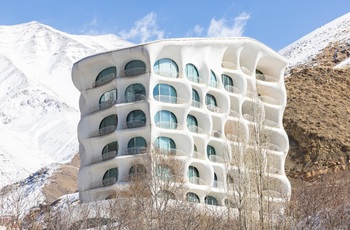
Shortlist for CIOB’s Art of Building photography competition.
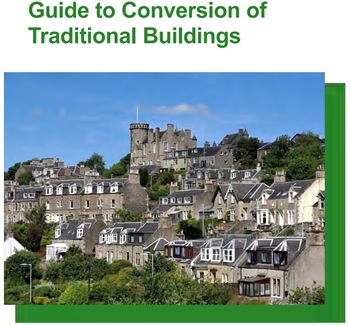
Guidance for conversion of traditional pre-1919 stone buildings.
Industrial heritage in the Ruhr
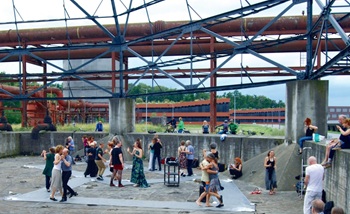
A marked difference to the fate of industrial landscapes in the UK.
Communities will be able to build their own clean energy.
Why diversity and inclusion matters for SMEs

CIOB’s D&I Charter shows how practical changes can support long-term growth.
Cut electricity bills to power growth

Coalition sends joint letter to the Chancellor.

Gasholders: a history in pictures. Book review.
Recognition, influence and growth
SocEnv identifies three strategic pillars in new strategy to 2045.