





Capping clause
A capping clause is a contractual provision that limits the liability of a party to a contract. It sets a maximum limit, or cap, on the amount that one party can be required to pay to the other in the event of a breach of contract, negligence, or other specified circumstances. This is particularly relevant in construction contracts where the financial implications of potential risks and liabilities can be substantial.
For example, a capping clause might state that the contractor's liability for delays is capped at 10% of the contract value. This means that if the project is delayed due to the contractor's fault, the maximum amount the contractor would be liable to pay in damages would be limited to 10% of the total contract price.
Capping clauses help parties manage and allocate financial risks more effectively. By knowing the maximum potential liability, parties can make informed decisions and arrange appropriate insurance coverage. It provides certainty and predictability regarding financial exposure, which is crucial for budgeting and financial planning, and can be a valuable negotiation tool, allowing parties to agree on acceptable levels of risk and reward.
The clause specifies a maximum monetary amount that one party's liability cannot exceed. This limit can be a fixed sum, a percentage of the contract value, or linked to the insurance cover available.
The clause can define which types of liabilities are subject to the cap. This might include direct losses, indirect losses, consequential damages, or specific types of claims such as those arising from defects or delays. Certain types of liabilities are often excluded from the cap. Common exclusions include liabilities for death or personal injury caused by negligence, fraud, and willful misconduct. These exclusions ensure that the cap does not provide protection in cases of serious wrongdoing.
The clause applies to claims arising under the contract, which may include breaches of contract, tort claims (such as negligence), and statutory liabilities.
The cap should be set at a level that reasonably reflects the potential risks and losses that might arise. If set too low, it may not provide sufficient protection for the non-breaching party. Parties often align the cap with the insurance coverage available. It is important to ensure that the cap is consistent with the terms and limits of the relevant insurance policies.
Capping clauses can be mutual, applying to both parties, or unilateral, applying to one party only. The fairness and balance of the clause should be considered during negotiations.
The enforceability of capping clauses can depend on the specific wording and the context in which they are used. Courts may scrutinize these clauses, particularly if they appear to be overly restrictive or unreasonable.
It is essential to carefully draft and negotiate these clauses to ensure they are fair, reasonable, and adequately protect the interests of all parties involved.
[edit] Related articles on Designing Buildings
- Agreement.
- Clause.
- Collateral warranty.
- Construction contract.
- Construction contract conditions.
- Contract administrator.
- Contract negotiations.
- Essentials of a contract.
- Guaranteed maximum price.
- Implied terms.
- Modifying clauses in standard forms of contract.
- Professional indemnity insurance clause in conditions of engagement.
- Standard form of contract.
- The Chancery Lane Project.
- Z clauses.
Featured articles and news
Costs and insolvencies mount for SMEs, despite growth

Construction sector under insolvency and wage bill pressure in part linked to National Insurance, says report.
The place for vitrified clay pipes in modern infrastructure
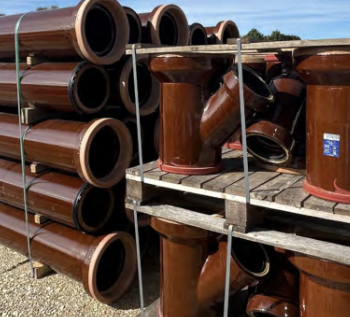
Why vitrified clay pipes are reclaiming their role in built projects.

Research by construction PR consultancy LMC published.
Roles and responsibilities of domestic clients
ACA Safety in Construction guide for domestic clients.
Fire door compliance in UK commercial buildings

Architect and manufacturer gives their low down.
Plumbing and heating for sustainability in new properties
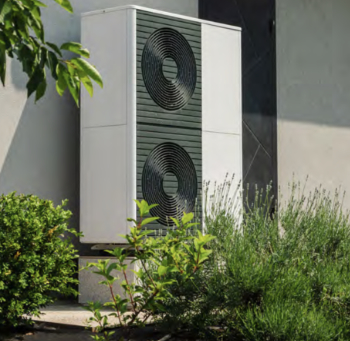
Technical Engineer runs through changes in regulations, innovations in materials, and product systems.
Awareness of the Carbon Border Adjustment Mechanism
What CBAM is and what to do about it.
The new towns and strategic environmental assessments
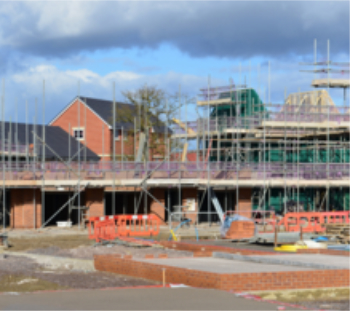
12 locations of the New Towns Taskforce reduced to 7 within the new towns draft programme and open consultation.

Buildings that changed the future of architecture. Book review.
The Sustainability Pathfinder© Handbook
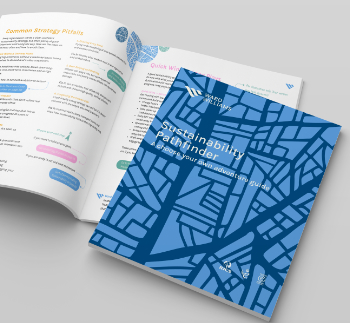
Built environment agency launches free Pathfinder© tool to help businesses progress sustainability strategies.
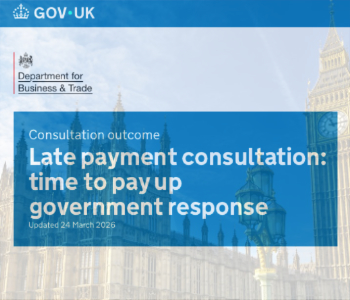
Government outcome to the late payment consultation, ECA reacts.
IHBC 2025 Gus Astley Student Award winners

Work on the role of hewing in UK historic conservation a win for Jack Parker of Oxford Brookes University.
Future Homes Building Standards and plug-in solar
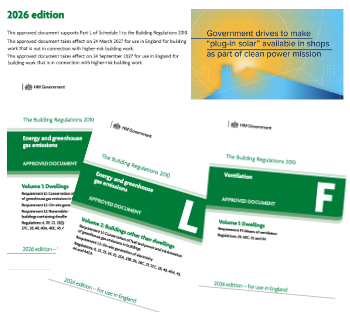
Parts F and L amendments, the availability of solar panels and industry responses.
How later living housing can help solve the housing crisis

Unlocking homes, unlocking lives.
Preparing safety case reports for HRBs under the BSA
A new practical guide to preparing structural inputs for safety cases and safety case reports published by IStructE.
Male construction workers and prostate cancer

CIOB and Prostate Cancer UK encourage awareness of prostate cancer risks, and what to do about it.