





Automatic Door Systems for Commercial & Industrial Properties: Improve Security, Accessibility & Efficiency

Contents |
[edit] Why Automatic Door Systems Are Essential for Modern Businesses
[edit] Introduction
In today's fast-paced business environment, automatic door systems have become an increasingly important feature of commercial and industrial buildings. From retail premises and office developments to warehouses and manufacturing facilities, organisations are investing in advanced entrance solutions that improve accessibility, security and operational efficiency.
Automatic door systems can include sliding, swinging, folding and revolving doors, as well as industrial high-speed doors and automated roller shutters, depending on the requirements of the building and its occupants.
[edit] Benefits of Automatic Door Systems for Businesses
[edit] Enhanced accessibility
One of the greatest advantages of automatic door systems is their ability to provide convenient access for a wide range of users. Customers, employees, visitors and people with reduced mobility can enter and leave a building with minimal effort, improving the overall user experience and supporting compliance with accessibility legislation and inclusive design principles.
[edit] Improved security
Modern automatic door systems may incorporate advanced locking mechanisms, sensors and access control technologies to help manage entry and exit while maintaining smooth day-to-day operations. When correctly specified and maintained, these features can enhance security without compromising convenience.
[edit] Energy efficiency
Automatic doors open only when required and close promptly after use, helping to minimise unwanted heat loss during colder months and reducing the ingress of warm air during summer. In busy buildings, this can contribute to lower energy consumption and improved environmental performance when compared with doors that are frequently left open.
[edit] Commercial Automatic Doors
Commercial automatic doors are commonly installed in shopping centres, offices, hotels, healthcare facilities and educational buildings. They can provide an attractive entrance while improving pedestrian flow during periods of high footfall.
[edit] Key features
- Smooth, hands-free operation.
- Contemporary appearance suitable for a range of architectural styles.
- Improved convenience for customers, staff and visitors.
- Reduced physical contact with door surfaces, supporting hygiene measures.
- Better management of pedestrian traffic in busy environments.
Automatic glazed entrance doors can also increase the amount of natural daylight entering a building, creating a brighter and more welcoming internal environment.
[edit] Industrial Automatic Doors
Warehouses, factories and distribution centres often require industrial automatic doors capable of accommodating vehicles, equipment and personnel. These robust systems are designed for frequent operation and demanding working environments.
[edit] Advantages of industrial automatic doors
- Rapid opening and closing speeds that support efficient logistics.
- Improved operational workflow and reduced waiting times.
- Protection from adverse weather and environmental conditions.
- Enhanced site safety and security.
- Potential reductions in energy losses where doors remain closed when not in use.
Many industrial premises also incorporate automated roller shutters or high-security shutters to provide an additional physical barrier against unauthorised access, theft and vandalism.
[edit] Selection and Maintenance Considerations
When specifying an automatic door system, factors such as anticipated traffic levels, accessibility requirements, fire safety strategy, security needs, environmental performance and ongoing maintenance obligations should all be considered.
Regular inspection, servicing and testing are essential to ensure that automatic doors continue to operate safely and reliably throughout their service life. Maintenance should be carried out in accordance with the manufacturer's recommendations and relevant standards and regulations.
[edit] Conclusion
Professional automatic door systems can provide significant benefits for commercial and industrial buildings by improving accessibility, supporting security measures and enhancing operational efficiency. Whether installed in customer-facing environments or demanding industrial settings, well-designed and properly maintained automatic entrances can contribute positively to the functionality, appearance and performance of a property.
[edit] Related articles on Designing Buildings
Featured articles
Check out some of the best features and news from Designing Buildings as well as key stories from around the web.
Historic England publishes research into embodied carbon when retrofitting traditional buildings.

New Prime Minister delivers on ECA call for cut in electricity costs.

CIOB reacts to the announcement of Andy Burnham as Prime Minister.

Heritage and conservation science workforce survey - Have your say.

England's Suburbs 1820-2020. Book review.

New, more proportionate and targeted approach for higher-risk building assessments.

Government brings British Steel into public ownership.

UKCW Birmingham returns with bold new theme and focus.
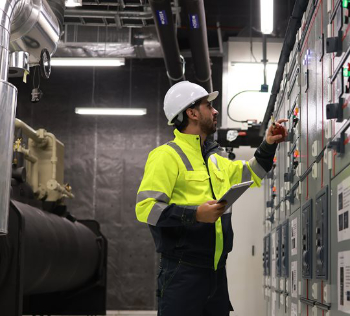
New guidance published on competence requirements for self-certification schemes.
Construction Management, 8 July

NEETs crisis drives interest in trades, but apprenticeships barriers remain.
Passive fire protection webinar

MEP services penetration seals.

Where its at podcast (and video) - The role of the Architectural Technologist as an Expert Witness.