





Asbestos register

|
[edit] Overview
Asbestos was completely banned in the UK in 1999. However, refurbishment, alteration and demolition projects continue to be affected by asbestos, and it remains the single biggest cause of work-related deaths in the UK.
The Control of Asbestos Regulations 2012 creates a legal duty to manage asbestos. If asbestos is present, or is presumed to be present, then it must be managed appropriately. This includes making and keeping an up-to-date record of the location and condition of materials which are presumed to contain asbestos, and preparing a management plan that sets out how the risks from these materials will be managed.
For more information, see Asbestos management.
An asbestos survey provides accurate information about the location, amount and type of any asbestos-containing materials (ACMs). It will identify:
The findings of a survey should be detailed in a survey report, which can then be used to help prepare an asbestos register (or asbestos risk register) which will be a key component of the management plan.
An asbestos register should detail:
- Where the material is.
- What the material is.
- How much there is.
- Whether there is a surface coating.
- What condition it is in.
- How easy it is to access.
- The type of asbestos.
- A score for the material.
- A priority score.
- Any other comments.
The asbestos register will need to be updated at least once a year, and must be available to those who plan or initiate maintenance and related work. This means it can be consulted before any work is authorised. It can be kept as a paper or electronic record and should be easily accessible.
[edit] Updates
In April 2018, new figures were published by the Institution of Occupational Safety and Health (IOSH) claiming that around a third (32%) of the respondents to its survey had never checked the asbestos register before starting work on a new site. Nearly half of those who had not checked the register were not even aware there was one, and nearly one in five (18%) claimed that they would not be clear what to do if they discovered asbestos while working on a site.
Nearly a quarter (23%) of construction workers believe they have been exposed to asbestos fibres during their work, putting them at a higher risk of contracting terminal cancers.
Dr Lesley Rushton, the chair of the UK’s Industrial Injuries Advisory Council, said: “What these new survey results confirm is that, while people have heard of asbestos and know what the effects of being exposed to it are, they’re not sure how to check if it’s present and they may not know what to do if they find asbestos."
“Uncertainty and ignorance surrounding how to prevent workers from breathing in the fibres is deeply worrying. This is particularly the case among small companies, sole traders and older workers. It is crucial that we reach them, to inform them of the risks and how these can be managed, to ensure their future health is not compromised.”
[edit] Related articles on Designing Buildings
- Asbestos.
- Asbestos cement.
- Asbestos management.
- Deleterious materials.
- Demolition.
- Failure to mention asbestos.
- Five signs you are at risk of asbestos poisoning at work.
- Managing risks in existing buildings: An overview of UK risk-based legislation for commercial and industrial premises (FB 86).
- Pre-construction information.
- Site records and registers.
- Site survey.
- The risk of asbestos on brownfield sites.
- Types of register.
Featured articles
Check out some of the best features and news from Designing Buildings as well as key stories from around the web.
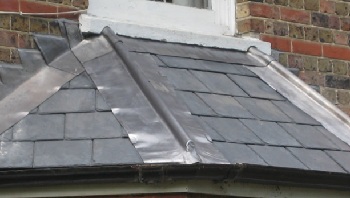
A quick introduction to its uses and risks.
Construction Management, 17 June

Government rolls out digital planning tool to all local authorities.

Your views needed - a strategy for the professions, trades and occupations.

Confronting competency, codes, capacity and costs.
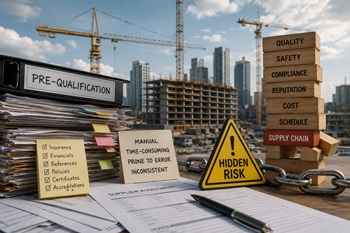
The hidden risk in modern construction supply chains.
Construction Management, 10 June

24 months to 14: CITB launches accelerated apprenticeships.
Bridging the gap between clients and contractors

Concerns remain around contractor quality, capability, and delivery.
Construction Management, 10 June.
Heat pumps beat boilers in new home tests.
Building Safety Act implementation in Wales

CIAT to host industry panel on 26 June.

New and updated CLC building safety guidance.
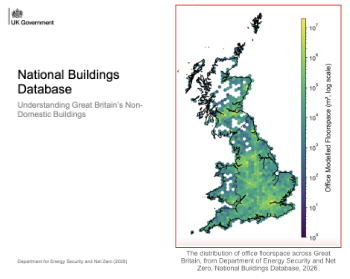
New UK National Buildings Database.
Comments
The article is brilliant. For that reason, I cannot account for why there is no discussion of matters such as whether the manager of a residential company must make the company's Asbestos Register available to all members of that company. Mine refuses to give me a copy of our company's, even though I have to show it to my electrician, whom I have engaged to carry out a task in the loft above my flat, which is a public area.
This manager has not given a copy even to the directors, the 'dutyholders' in law. The article is silent also on misdemeanours with regard to the the distribution of a residential company's Asbestos Register. For instance, where might one report such misdemeanours?