





Artificial Intelligence Refrigerator Market Set to Revolutionize Smart Kitchen Appliances
The Artificial Intelligence Refrigerator Market is witnessing rapid growth as consumers and businesses embrace smart technology in kitchen appliances. These refrigerators use AI to enhance food management, optimise energy consumption, and improve user convenience, driving widespread adoption globally.
Similar to trends in the Study Abroad Agency Market, the Artificial Intelligence Refrigerator Market benefits from technological innovation and increasing consumer awareness about smart home solutions. As households seek smarter, more efficient appliances, the demand for AI-powered refrigerators is expected to accelerate steadily.
This market is driven by advancements in AI algorithms, IoT integration, and rising consumer spending power in developed and emerging economies.
Key Drivers Powering the Artificial Intelligence Refrigerator Market
Several factors are fuelling the growth of this market:
- Rising Smart Home Adoption: Increasing consumer preference for connected devices supports AI refrigerator demand.
- Energy Efficiency: AI enables refrigerators to optimise cooling cycles, reducing power consumption and utility costs.
- Food Waste Reduction: Smart sensors and AI help monitor expiry dates and suggest shopping lists, minimising food spoilage.
- Technological Advancements: Integration of voice recognition, cameras, and cloud computing enhances user experience.
These factors contribute to growing market penetration across residential and commercial segments.
Market Restraints and Challenges
Despite positive momentum, the market faces some challenges:
- High Initial Costs: AI refrigerators carry a premium price that can deter price-sensitive consumers.
- Data Privacy Concerns: Collection of user data by smart appliances raises security and privacy issues.
- Complexity of Use: Older or less tech-savvy consumers may find operating AI-powered devices challenging.
- Infrastructure Dependency: Reliable internet connectivity is essential for optimal functionality.
Overcoming these challenges requires improved consumer education and affordable innovations.
Emerging Opportunities in the Artificial Intelligence Refrigerator Market
The market holds several promising growth opportunities:
- Integration with Smart Kitchens: Growing smart kitchen ecosystems provide a platform for advanced AI refrigerator features.
- Customisation and Personalisation: AI can tailor storage and preservation based on individual consumption patterns.
- Commercial Applications: Hotels, restaurants, and supermarkets increasingly adopt AI refrigerators for inventory management.
- Sustainability Trends: Energy-saving capabilities align with rising consumer demand for eco-friendly appliances.
Exploring these avenues can significantly boost market expansion in the coming years.
Market Size, Forecast, and Regional Insights
Dataintelo’s analysis estimates the global Artificial Intelligence Refrigerator Market was valued at USD 1.2 billion in 2023 and is projected to reach USD 3.8 billion by 2032, growing at a CAGR of 13.5%.
Regionally:
- North America: Leads with strong smart home adoption and infrastructure.
- Asia-Pacific: Rapid urbanisation and rising disposable incomes fuel demand.
- Europe: Focus on energy efficiency and environmental regulations promote growth.
These regional insights highlight varying adoption rates and growth drivers.
Product Segmentation and Technological Trends
The market features diverse product categories and technologies:
- Types: Built-in AI refrigerators, smart standalone models, and commercial AI refrigerators.
- Features: Voice control, internal cameras, touchscreen interfaces, and predictive analytics.
- Connectivity: Integration with smartphones and home automation systems through Wi-Fi and Bluetooth.
Ongoing innovations aim to enhance functionality and user convenience.
Applications Driving Market Demand
Applications span residential and commercial sectors:
- Residential: Smart kitchens with automated food management and energy optimisation.
- Commercial: Food service industries use AI refrigerators for stock monitoring and freshness control.
- Healthcare and Pharmaceuticals: Specialised storage requirements benefit from AI temperature and humidity regulation.
Growing applications expand the market’s reach and value proposition.
Regulatory Environment and Sustainability Factors
Regulations and environmental awareness influence market development:
- Energy Efficiency Standards: Governments promote use of energy-saving appliances.
- Data Protection Laws: Regulations ensure privacy and security for smart appliance users.
- Sustainability Initiatives: Consumer preference for eco-friendly products drives manufacturers to innovate greener solutions.
Compliance with these factors will shape future product development.
Conclusion: Future Outlook for the Artificial Intelligence Refrigerator Market
The Artificial Intelligence Refrigerator Market is set for robust growth, propelled by technological progress and shifting consumer lifestyles. Although challenges like cost and data privacy exist, emerging applications and sustainability focus offer vast potential.
--Riyash
Featured articles
Check out some of the best features and news from Designing Buildings as well as key stories from around the web.
Bridging the gap between clients and contractors

Concerns remain around contractor quality, capability, and delivery.
Construction Management, 10 June.
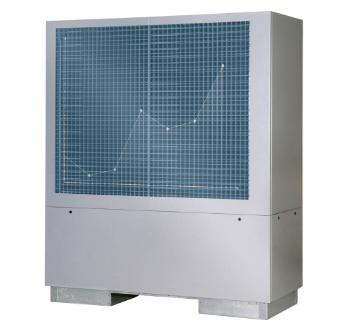
Heat pumps beat boilers in new home tests.
Building Safety Act implementation in Wales

CIAT to host industry panel on 26 June.
New and updated CLC building safety guidance.
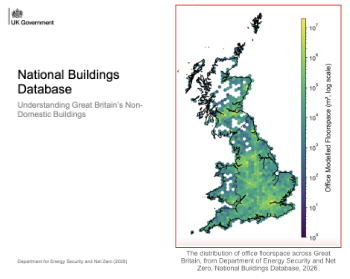
New UK National Buildings Database.
Building Safety Wiki Interviews

Chief executive of the British Woodworking Federation.
Planning condition discharge in England and Wales

A brief explanation from a building compliance expert, with further links.
Overheating guidance and tools for building designers

Guidance for dealing with element of building fabric control that have increasing importance.
Shading for housing, a design guide

From the Good Homes Alliance and British Blind and Shutter Association.
UK Standard Skills Classification (SSC)

A shared framework for describing skills needs.
Social media ban consultation comes to close

CIOB urges UK Government to consider social media’s role in careers guidance in ban debate.