





Waterproofing

Waterproofing is a process that ensures a structure or object is able to keep out 100% of any water that comes into contact with it. In construction, waterproofing can increase the life of common materials like concrete, iron, paint and more. Although it is not common to refer to a building as being 'waterproof' (although it would not be wrong and would be understood by most), it is more common to use the term ‘watertight’ or 'weatherproof'.
A new building will reach a stage in construction where it is made watertight to prevent water from penetrating into internal areas. Alternatively, an existing building may undergo remedial works to make its basement watertight, to prevent penetrating damp or rising damp and so on. For more information see: Damp proofing.
However, the term waterproof can be applied to particular elements of the building fabric that are designed to keep out water. For example, although high-grade concrete can be highly impervious to moisture this is difficult to achieve in practice due to a number of construction reasons. But when PVC or copper water bars are incorporated at joints (the weak points) and a waterproofing agent is added to the mix, a waterproof construction can be achieved.
Similarly, a synthetic roofing membrane may be termed waterproof not only because water is unable to penetrate the molecular structure of the material but also because it can form a continuous, seamless roof surface that can be waterproof when properly installed.
In contrast, a slate roof may be termed watertight as it will generally do an excellent job of keeping water out. However, in severe weather conditions (such as wind driven rain) it may not be waterproof since water ingress may occur through joints. Cladding systems such as rainscreen cladding may allow water to penetrate through a first layer of defence, but this is then drained away before reaching the interior.
Cementitious waterproofing is a method of waterproofing used in wet areas like toilets and bathrooms. This is a semi-flexible or rigid type of waterproofing, and material should not be exposed to weathering or sunlight.
More flexible than cementitious waterproofing, liquid membrane waterproofing is a thin coating of primer and two top coats.The liquid cures into a rubbery coating on surfaces and can provide high elongation. The durability of the coating depends on what type of polymer is used.
[edit] Related articles on Designing Buildings Wiki
Featured articles
Check out some of the best features and news from Designing Buildings as well as key stories from around the web.
Changing expectations around competence and compliance

New information sheet from CIAT.
Grenfell investigation files passed to CPS

Angela Rayner apologises on behalf of the British state.

Electrical contractors need to understand the practical implications.

The real barrier to getting more value from digital technology.

Your guide to The Construction Reset at UKCW Birmingham.

Accommodating the Victorian and Edwardian working woman. Book review.
Rethinking passive fire protection in design

PFP demands the same level of design rigour as structure or services.

38% of Gen Zs feel safe when a fire door is wedged open.
Stunning images from around the world
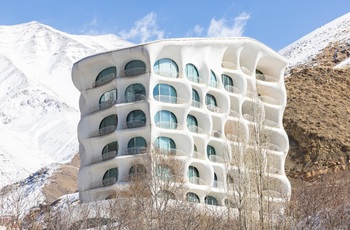
Shortlist for CIOB’s Art of Building photography competition.
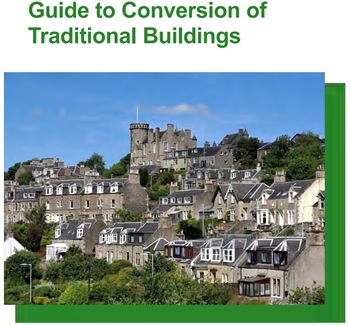
Guidance for conversion of traditional pre-1919 stone buildings.
Industrial heritage in the Ruhr
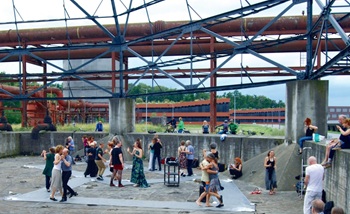
A marked difference to the fate of industrial landscapes in the UK.

Communities will be able to build their own clean energy.
Comments
Waterproofing is the process of making a surface or structure resistant to the penetration of water. It is commonly applied to various areas in buildings or structures to prevent water ingress, leakage, and potential damage. Waterproofing is essential in areas that are exposed to moisture, such as basements, roofs, bathrooms, balconies, and foundations.
There are different methods and materials used for waterproofing, depending on the specific requirements and the location being treated. Here are some common waterproofing techniques:
Thanks for your comment, maybe you want to create a new article covering your points above, perhaps called "common waterproffing techniques", We could then cross link it to the above. Best regards. Editor