





Furniture

The term ‘furniture’ refers to moveable objects that are used to support human activities in the built environment. However, it can also be used more widely to refer to fitted objects and equipment.
Furniture tends to be of a craft-based design type that can be functional, decorative, symbolic, ceremonial, and so on. Many different materials are used in the manufacture of furniture, most commonly; timber, metal, plastic, fabrics, leather, and so on.
Furniture is subject to frequent changes in fashion, and tastes for furniture can vary widely from person to person.
Some of the main types of furniture include:
- Furniture for sitting: Chairs, stools, sofas, futons, etc.
- Furniture for eating or working: Tables, desks, etc.
- Furniture for sleeping: Beds, cots, bunks, etc.
- Furniture for storage: chests, wardrobes, etc.
- Garden furniture: Chairs, tables, etc.
- Street furniture: Benches, barriers, street lamps, traffic lights, bollards, etc.
Furniture can be grouped together with other components as 'FF&E' (furniture, fixture and equipment). FF&E might be procured separately to the main construction contract (or elements of them), particularly by clients that already have systems in place for procuring fixed and loose furniture, fittings and equipment; for example, schools, universities, or hospitals. For more information, see Furniture fixtures and equipment FF&E.
Interior designers are often associated with specifying furniture, analysing how a space is to be used and how best it can be planned with the most appropriate objects, considering functionality, aesthetic, space efficiency, circulation requirements, and so on. For more information, see Interior design
The Furniture and Furnishings (Fire Safety) Regulations define requirements for the fire resistance for domestic upholstered furniture, furnishings and other products containing upholstery. These Regulations are enforced by Trading Standards.
[edit] Related articles on Designing Buildings
Featured articles
Check out some of the best features and news from Designing Buildings as well as key stories from around the web.
Undervaluing our industrial past

Heritage value changes as taste for building styles changes.
Changing expectations around competence and compliance

New information sheet from CIAT.
Grenfell investigation files passed to CPS

Angela Rayner apologises on behalf of the British state.

Electrical contractors need to understand the practical implications.

The real barrier to getting more value from digital technology.

Your guide to The Construction Reset at UKCW Birmingham.

Accommodating the Victorian and Edwardian working woman. Book review.
Rethinking passive fire protection in design

PFP demands the same level of design rigour as structure or services.

38% of Gen Zs feel safe when a fire door is wedged open.
Stunning images from around the world

Shortlist for CIOB’s Art of Building photography competition.
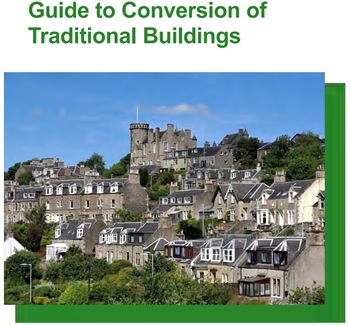
Guidance for conversion of traditional pre-1919 stone buildings.
Industrial heritage in the Ruhr
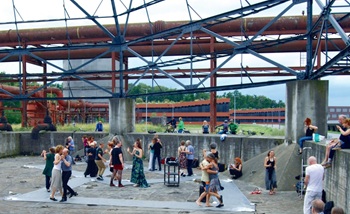
A marked difference to the fate of industrial landscapes in the UK.
Comments
[edit] To make a comment about this article, or to suggest changes, click 'Add a comment' above. Separate your comments from any existing comments by inserting a horizontal line.