





Tremie

A tremie is a pipe that can be used for pouring concrete below ground level, often underwater. Common applications include piling works, basements, diaphragm walls, caissons, underwater foundations, and so on.
A tremie is made of rigid metal or plastic tubes, generally with a diameter ranging from 20 - 30 cm. At the head of the tremie pipe is a feed hopper into which concrete is placed. The use of a tremie helps avoid cement washing out of the mix while flowing, and so produces a more reliable strength concrete. Concrete intended for tremie placement should have a very high slump of approximately 150 - 200 mm.
The process begins by lowering a tremie pipe to the point where the concrete is going to be placed. It is important to keep air and water out of the tremie during this placement which is achieved by keeping it full of concrete. A pig, or foam rubber plug, can be used which is forced down the inside of the tremie by the concrete, displacing the water as it does so. The pig is pushed out of the bottom of the tremie and floats to the surface.
The lower end of the tremie should be buried in the mass of concrete as it flows out, as this limits the washing out of cement from the fresh concrete and prevents aggregate segregation. The concrete should be poured into the hopper continuously at a sufficient rate to avoid it setting in the tremie and, if necessary, admixtures can be used to alter the curing time, workability, slump, and so on.
The end of the tremie should be immersed by approximately 3 feet, and as the mix flows out towards the edges and builds up this will generally raise the tremie automatically, although it should be raised manually if necessary. Care should be taken not to raise the tremie to the extent that it breaks out of the freshly poured concrete as this would expose the bottom end to water.
However, if the tremie needs to be moved laterally it is recommended that it is lifted out vertically, plugged, and a new pour started at the new position as opposed to dragging the tremie through the concrete.
Several tremies should be used simultaneously if the pour area is too large for just one to be used and moved around. Tremies should be spaced 3.5 - 5 m apart and around 2.5 m from the formwork. By providing a continuous concrete flow through the tremies, a moderately even surface can be maintained and the risk of uneven setting can be minimised.
[edit] Find out more
[edit] Related articles on Designing Buildings Wiki
Featured articles and news
Costs and insolvencies mount for SMEs, despite growth

Construction sector under insolvency and wage bill pressure in part linked to National Insurance, says report.
The place for vitrified clay pipes in modern infrastructure
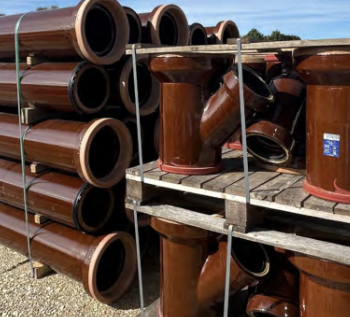
Why vitrified clay pipes are reclaiming their role in built projects.

Research by construction PR consultancy LMC published.
Roles and responsibilities of domestic clients

ACA Safety in Construction guide for domestic clients.
Fire door compliance in UK commercial buildings

Architect and manufacturer gives their low down.
Plumbing and heating for sustainability in new properties

Technical Engineer runs through changes in regulations, innovations in materials, and product systems.
Awareness of the Carbon Border Adjustment Mechanism
What CBAM is and what to do about it.
The new towns and strategic environmental assessments
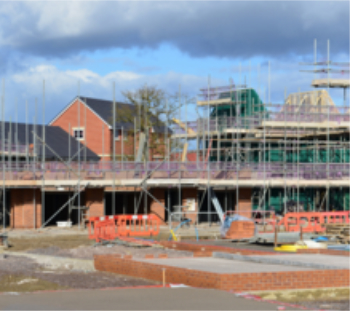
12 locations of the New Towns Taskforce reduced to 7 within the new towns draft programme and open consultation.

Buildings that changed the future of architecture. Book review.
The Sustainability Pathfinder© Handbook
Built environment agency launches free Pathfinder© tool to help businesses progress sustainability strategies.

Government outcome to the late payment consultation, ECA reacts.
IHBC 2025 Gus Astley Student Award winners

Work on the role of hewing in UK historic conservation a win for Jack Parker of Oxford Brookes University.
Future Homes Building Standards and plug-in solar
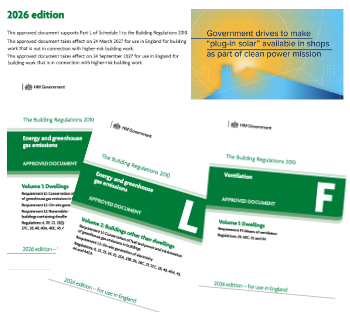
Parts F and L amendments, the availability of solar panels and industry responses.
How later living housing can help solve the housing crisis

Unlocking homes, unlocking lives.
Preparing safety case reports for HRBs under the BSA
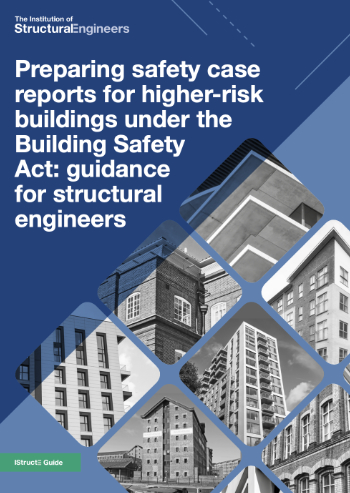
A new practical guide to preparing structural inputs for safety cases and safety case reports published by IStructE.
Male construction workers and prostate cancer

CIOB and Prostate Cancer UK encourage awareness of prostate cancer risks, and what to do about it.