






WELL Community
TG 10 Wellbeing in Buildings, A BSRIA topic guide, written by Sorcha Redmond and published in January 20205 states:
The WELL Community concept aims to support access to essential healthcare, build a culture of health that accommodates diverse population needs and establish an inclusive, engaged occupant community.
WELL is focused on promoting design, policy and operations strategies that focus on addressing health disparities due to social exclusion and inequality faced by marginalised and oppressed groups.
- Communities are unique groups of people with diverse characteristics linked by social ties, shared common perspectives and engaged in joint action and experiences in shared settings or locations.
- The global, national, and local conditions that impact the health of each individual in a community are known as the social determinants of health, which include physical determinants, or the physical and built conditions that impact health.
- Determinants of health influence health disparities or inequalities. These refer to the differences in health status between population groups resulting from unequal distribution of power and resources as a function of gender, race, ethnicity, disability, sexuality or socio-economic status.
- For example, life expectancy in the UK of people living in the same area varies greatly by socio-economic status.
- Between 2012 and 2019 the life expectancy gap for women living in the least and most deprived neighbourhoods of Kensington and Chelsea, London, grew from 6.2 to 11.9 years. Women living in the most affluent parts of the area in 2024 are expected to live to an average of 90.7 years, compared to 77.2 years in the poorest neighbourhoods.
--BSRIA
[edit] Related articles on Designing Buildings
Featured articles
Check out some of the best features and news from Designing Buildings as well as key stories from around the web.
Undervaluing our industrial past

Heritage value changes as taste for building styles changes.
Changing expectations around competence and compliance

New information sheet from CIAT.
Grenfell investigation files passed to CPS

Angela Rayner apologises on behalf of the British state.

Electrical contractors need to understand the practical implications.

The real barrier to getting more value from digital technology.

Your guide to The Construction Reset at UKCW Birmingham.

Accommodating the Victorian and Edwardian working woman. Book review.
Rethinking passive fire protection in design

PFP demands the same level of design rigour as structure or services.

38% of Gen Zs feel safe when a fire door is wedged open.
Stunning images from around the world

Shortlist for CIOB’s Art of Building photography competition.
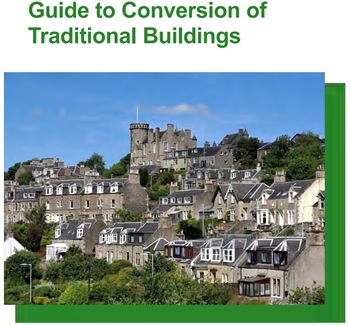
Guidance for conversion of traditional pre-1919 stone buildings.
Industrial heritage in the Ruhr
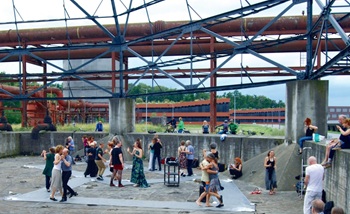
A marked difference to the fate of industrial landscapes in the UK.