





Timber cladding
The term 'cladding' refers to components that are attached to the primary structure of a building to form non-structural, external surfaces. This is as opposed to buildings in which the external surfaces are formed by structural elements, such as masonry walls, or applied surfaces such as render.
One of the most common methods of cladding buildings is through the use of timber softwoods, such as western red cedar. This type of wood is relatively knot-free and has a natural resistance to decay and moisture. It can be readily stained or painted and altered to create a range of profiles.
Hardwoods can also be used including oak and sweet chestnut. Both of which contain high tannin levels which can result in leaching and streaking after exposure to the elements.
Thermally-modified timbers are also being used such as Kebony, Keywood, Platowood and ThermoWood. These softwoods are heated to high temperatures which removes moisture and resins, resulting in a stable and durable material.
Some of the most common laying styles are:
- Square edge: Square-edged boards of a uniform thickness, usually between 12-18 mm, with widths of boards vary from 125-225 mm.
- Feather edge: Boards are tapered across their width, producing a rustic, rural aesthetic.
- Shiplap: Has a shaped front face and profile so that the top of each board fits behind the bottom edge of the adjacent board, providing a neat finish.
- Tongue and groove: Have a flat face and, in which a groove covers the tongue of the board below. This produces a uniform look that suits contemporary houses.
[edit] Find out more
[edit] Related articles on Designing Buildings Wiki
Featured articles
Check out some of the best features and news from Designing Buildings as well as key stories from around the web.
Cut electricity bills to power growth

Coalition sends joint letter to the Chancellor.

Gasholders: a history in pictures. Book review.
Recognition, influence and growth

SocEnv identifies three strategic pillars in new strategy to 2045.
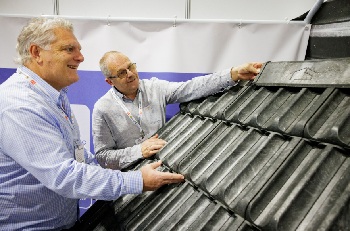
Discover the future of roofing, cladding and insulation.
New guidance for professional practice, cultural change and regulation in social housing.
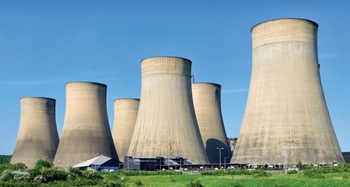
The heritage of nuclear and conventional power stations.
New measures to stop people being ripped off

Government to protect families from cowboy builders and aggressive bailiffs.

New Futurebuild showcase brings an innovation-first approach.
National Planning Policy Framework
Understanding the 2026 changes.
ECA's public affairs priorities

Member consultation opens to shape priorities for 2027 to 2030.

Dutyholder responsibilities from 1 July 2026.
Where performance meets practice

The Building Envelope Stage at UKCW Birmingham.