





The Timeless Appeal of Bespoke Oak-Framed Buildings
[edit] How to Maintain and Care for Your Oak Framed Building
There’s something truly special about an oak framed building—its timeless charm, strength, and durability make it a standout choice for homes, extensions, and garden structures. But like any natural material, oak needs a little care to keep it looking its best and standing strong for generations to come. The good news? Maintaining your oak framed building isn’t complicated. With the right approach, you can ensure your structure remains beautiful and structurally sound for years to come.
[edit] Understanding Oak and Its Natural Ageing Process
Oak is a durable and naturally resilient wood that has been used in construction for centuries. One of its most fascinating characteristics is how it ages. Over time, oak develops a silver-grey patina when exposed to the elements. This ageing process is completely natural and doesn’t affect the strength of the wood. However, if you prefer to maintain the original golden hue, there are ways to slow down the weathering process.
[edit] Regular Inspections: Catch Issues Early
One of the simplest yet most effective ways to maintain your oak framed building is by conducting regular inspections. At least once or twice a year, take a walk around the structure and look for:
- Cracks or splits in the wood (these are usually harmless but should still be monitored)
- Signs of moisture damage or rot in areas prone to dampness
- Insect activity, such as small holes or sawdust-like residue
- Loose joints or shifting framework
Catching any potential problems early can save you from costly repairs later on.
[edit] Cleaning Your Oak Framed Building
Dirt, algae, and moss can accumulate on your oak frame, especially in damp or shaded areas. Regular cleaning helps maintain the wood’s appearance and prevents organic growth from taking hold.
- For exterior oak: Use a soft brush or sponge and warm, soapy water to gently clean the surface. Avoid using pressure washers, as they can force moisture into the wood and cause damage over time.
- For interior oak: A simple dusting with a dry cloth or a mild wood cleaner is usually sufficient. If your oak has been treated with oil or wax, use a suitable wood care product to maintain its finish.
[edit] Preventing and Managing Moisture Damage
Oak is highly resistant to moisture, but prolonged exposure to standing water or excessive humidity can still cause issues. Here are a few ways to prevent moisture damage:
- Ensure good drainage around the base of the building to avoid water pooling near the frame.
- If your oak framed building has a thatched or tiled roof, check for leaks regularly and repair them promptly.
- Consider using breathable finishes, such as natural oils or waxes, which allow the wood to absorb and release moisture naturally.
[edit] Dealing with Oak Cracks and Splits
It’s completely normal for oak to develop small cracks or splits, known as “shakes,” as it dries out over time. These are not structural issues but part of the wood’s natural movement. If a crack becomes particularly large or allows water to seep in, you may want to fill it with a specialist wood filler or seek advice from a carpenter.
[edit] Protecting Oak from Pests
While oak is naturally resistant to most wood-boring insects, it’s always wise to keep an eye out for signs of infestation, particularly in older structures. If you notice small holes or fine dust near your oak beams, you may have a woodworm issue. Treat affected areas with a suitable insecticide or contact a professional for assessment.
[edit] Applying a Protective Finish (Optional)
If you prefer to maintain the golden colour of fresh oak or add an extra layer of protection, you might consider applying a protective finish. Here are a few options:
- UV Protection Oils: These help slow down the natural greying process caused by sunlight.
- Natural Oils (e.g., linseed or tung oil): Enhance the grain and provide moisture resistance.
- Wax or Varnish: Useful for interior oak elements, offering protection from stains and wear.
Before applying any treatment, always test it on a small, inconspicuous area to see how the wood reacts.
[edit] Seasonal Maintenance Tips
Spring and Summer
- Check for any winter damage, such as water stains or movement in the frame.
- Clean the exterior to remove any build-up of dirt or algae.
- Reapply any protective treatments if needed.
Autumn and Winter
- Clear leaves and debris from around the base of the structure to prevent moisture build-up.
- Check roof tiles, gutters, and drainage systems to ensure they’re functioning properly.
- Monitor for signs of condensation inside, which could indicate ventilation issues.
[edit] Final Thoughts
Maintaining your oak framed building doesn’t have to be a daunting task. With a bit of care, regular inspections, and timely cleaning, your structure will continue to be a beautiful and durable feature for decades. Whether you love the natural silvering effect of aged oak or prefer to keep its fresh golden hue, the key is to work with the wood’s natural properties rather than against them. A little effort goes a long way in preserving the beauty and longevity of your investment!
Featured articles and news
Costs and insolvencies mount for SMEs, despite growth

Construction sector under insolvency and wage bill pressure in part linked to National Insurance, says report.
The place for vitrified clay pipes in modern infrastructure
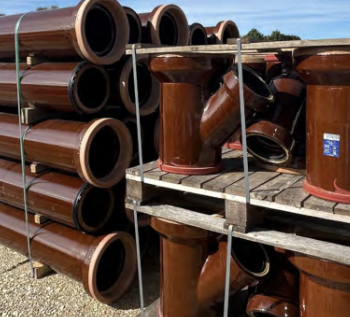
Why vitrified clay pipes are reclaiming their role in built projects.

Research by construction PR consultancy LMC published.
Roles and responsibilities of domestic clients

ACA Safety in Construction guide for domestic clients.
Fire door compliance in UK commercial buildings

Architect and manufacturer gives their low down.
Plumbing and heating for sustainability in new properties

Technical Engineer runs through changes in regulations, innovations in materials, and product systems.
Awareness of the Carbon Border Adjustment Mechanism

What CBAM is and what to do about it.
The new towns and strategic environmental assessments
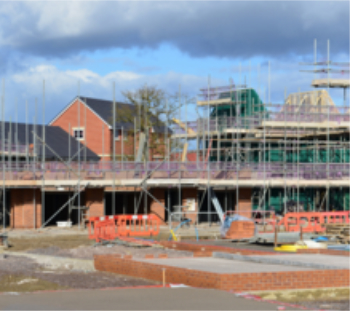
12 locations of the New Towns Taskforce reduced to 7 within the new towns draft programme and open consultation.

Buildings that changed the future of architecture. Book review.
The Sustainability Pathfinder© Handbook

Built environment agency launches free Pathfinder© tool to help businesses progress sustainability strategies.

Government outcome to the late payment consultation, ECA reacts.
IHBC 2025 Gus Astley Student Award winners

Work on the role of hewing in UK historic conservation a win for Jack Parker of Oxford Brookes University.
Future Homes Building Standards and plug-in solar

Parts F and L amendments, the availability of solar panels and industry responses.
How later living housing can help solve the housing crisis
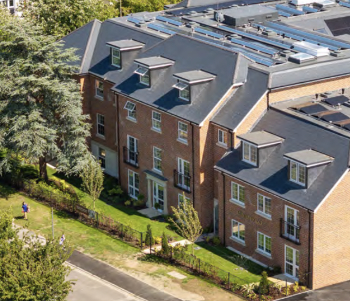
Unlocking homes, unlocking lives.
Preparing safety case reports for HRBs under the BSA

A new practical guide to preparing structural inputs for safety cases and safety case reports published by IStructE.
Male construction workers and prostate cancer

CIOB and Prostate Cancer UK encourage awareness of prostate cancer risks, and what to do about it.