





Superstructure
The Building Cost Information Service (BCIS), Elemental Standard Form of Cost Analysis Principles, Instructions, Elements and Definitions 4th (NRM) Edition published by the Royal Institution of Chartered Surveyors (RICS) in 2012, describes the rules for preparing an elemental cost analysis in standard BCIS format.
According to BCIS, the term 'superstructure' includes:
- Frame: Load-bearing framework. Main floor and roof beams, ties and roof trusses of framed buildings; casing to stanchions and beams for structural or protective purposes.
- Upper floors: Suspended floors over, or in basements, service floors, balconies, sloping floors, walkways and top landings, where part of the floor rather than part of the staircase.
- Roof: Roof structure, roof coverings, roof drainage, rooflights and roof features.
- Stairs and ramps: Construction of ramps, stairs, ladders, etc. connecting floors at different levels.
- External walls: External enclosing walls including walls to basements but excluding walls to basements designed as retaining walls.
- Windows, doors and openings in external walls.
- Internal walls, partitions, balustrades, moveable room dividers, cubicles and the like.
- Doors, hatches and other openings in internal walls and partitions.
This excludes; the substructure, finishes, fittings, furnishings, equipment and services.
Some broader definitions simply consider the superstructure to include all works above ground level, although clearly, this is a fairly ambiguous description.
[edit] Related articles on Designing Buildings
Featured articles
Check out some of the best features and news from Designing Buildings as well as key stories from around the web.

Electrical contractors need to understand the practical implications.

The real barrier to getting more value from digital technology.

Your guide to The Construction Reset at UKCW Birmingham.

Accommodating the Victorian and Edwardian working woman. Book review.
Rethinking passive fire protection in design

PFP demands the same level of design rigour as structure or services.

38% of Gen Zs feel safe when a fire door is wedged open.
Stunning images from around the world
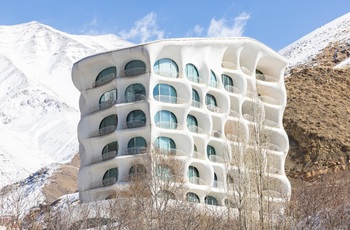
Shortlist for CIOB’s Art of Building photography competition.
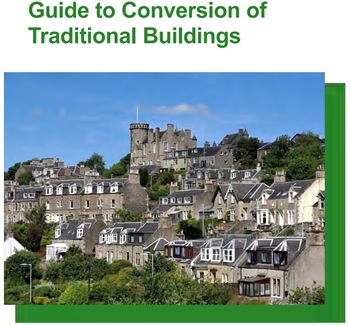
Guidance for conversion of traditional pre-1919 stone buildings.
Industrial heritage in the Ruhr
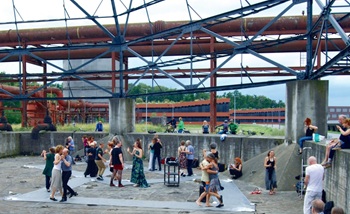
A marked difference to the fate of industrial landscapes in the UK.

Communities will be able to build their own clean energy.
Why diversity and inclusion matters for SMEs

CIOB’s D&I Charter shows how practical changes can support long-term growth.
Cut electricity bills to power growth

Coalition sends joint letter to the Chancellor.
Comments