




Stanchion
In construction, the term stanchion can have numerous meanings:
- It can be a vertical post fixed to the ground on a construction site and which is part of several that either demarcate a hazardous area or a route to be followed. They can be made conspicuous by being painted in bright colours and having various signs attached.
- The term stanchion is sometimes used to denote an upright bar, post or member (not a column) that is used for support, e.g as part of several supporting a mezzanine.
- Stanchions are also the vertical metal bars which are fixed at the floor and ceiling to act as grab rails for passengers.
- Historically, stanchions were iron uprights between the mullions of a window and were frequently terminated at the top with a fleur-de-lys or other ornamental motif.
The term has also been applied to:
- The vertical members of a stud (timber) partition.
- Stone mullions (northern England).
- Vertical railings used around tombs.
NB Stained Glass Windows: Managing Environmental Deterioration, published by Historic England in 2020, defines a stanchion as a: ‘Vertical metal bar set between the mullions of a leaded window; part of the system that supports the panel. Can be set on the inside or outside of the window.’ See also: Ferramenta
[edit] Related articles on Designing Buildings Wiki
Featured articles
Check out some of the best features and news from Designing Buildings as well as key stories from around the web.
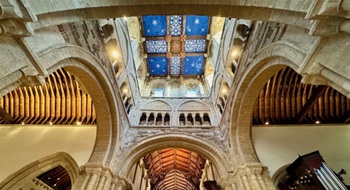
Dorset's first conservation campaigner?
Gov.uk - Hot-rolled steel plate

New anti-dumping measure imposed on South Korea.
ECA responds to the Milburn Report

Youth employment to be linked to workforce demand.
The construction industry urgently needs to attract new talent
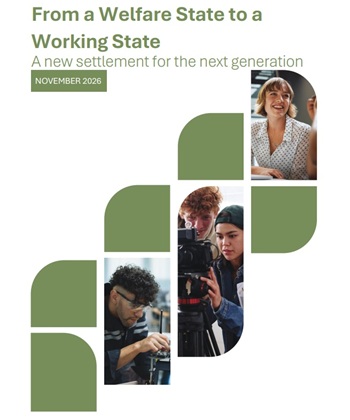
CIOB responds to Neets report.
Grenfell Tower community update

Memorial columns to be retained as careful dismantling continues.
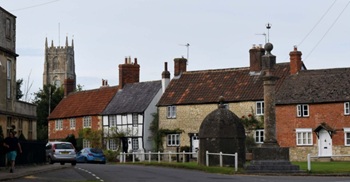
When buildings reflected the local resources available.

CIOB reports 57% are using artificial intelligence technologies.

More of England’s ‘hidden heroes’ will be celebrated.

CIAT calls for retrofit to be a priority.
Version 6 is now available, along with guidance for ECA members.
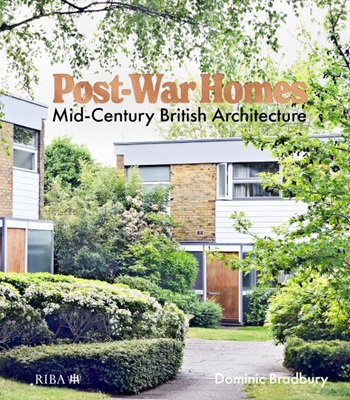
Post-War Homes: mid-century British architecture. Book review.

CIAT reflects on the party conferences.