





Rubble chute

A rubble chute is used to enable the safe and efficient transfer of debris/materials from a structure’s scaffold to a skip at street level. The simple concept is that several cylindrical dustbin-like sections are linked together using chains and hung from the side of a building or scaffold. The reinforced rubber cylinders, together with steel inner lining, are tapered and fit together, at effective lengths of 1-metre.
The usual dimensions of the sections are 510 mm diameter that tapers to 380 mm. There must be metal ring reinforcement every 6 section units. Overall length should not exceed 40 sections and should be tied back to the scaffold every 6m.
A steel top hipper is required to provide an improved aperture at the point where debris is being placed into the chute to prevent unnecessary spillage. Y-sections can be used to allow debris to be placed into the chute at intermediate positions along its length. The chute is not designed to cope with large, long or heavy items such as structural beams, timbers, poles, etc. Neither should hazardous, corrosive or liquid materials be disposed of down the chute.
The chute is assembled horizontally at ground level before being lifted into position by a scaffold hoist, with additional sections being added to the bottom in order to achieve the required length.
Rubble chutes should be hosed down regularly so as to avoid unnecessary damage or obstruction.
Local authorities may need to give permission or special licences for rubble chutes to be erected on, across or adjacent to a public highway, and may require safety barriers, cones, warning lights, tape, signs and so on. Skips may need to be covered to prevent the spread of dust and other debris.
[edit] Find out more
[edit] Related articles on Designing Buildings Wiki
- Building wraps.
- Construction plant.
- Construction skip.
- Construction tools.
- Debris netting.
- Equipment in buildings.
- Excavating plant.
- Firefighting lift.
- Road sweeper.
- Scaffolding.
- Site waste management plan.
- Recycling.
- Temporary works.
- Types of cranes.
[edit] External references
- ‘Building Construction Handbook’ (6th ed.), CHUDLEY, R., GREENO, R., Butterworth-Heinemann, (2007)
Featured articles
Check out some of the best features and news from Designing Buildings as well as key stories from around the web.

The hidden risk in modern construction supply chains.
Construction Management, 10 June

24 months to 14: CITB launches accelerated apprenticeships.
Bridging the gap between clients and contractors

Concerns remain around contractor quality, capability, and delivery.
Construction Management, 10 June.
Heat pumps beat boilers in new home tests.
Building Safety Act implementation in Wales

CIAT to host industry panel on 26 June.

New and updated CLC building safety guidance.
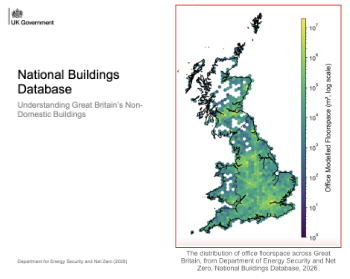
New UK National Buildings Database.
Building Safety Wiki Interviews

Chief executive of the British Woodworking Federation.
Planning condition discharge in England and Wales

A brief explanation from a building compliance expert, with further links.
Overheating guidance and tools for building designers

Guidance for dealing with element of building fabric control that have increasing importance.
Shading for housing, a design guide

From the Good Homes Alliance and British Blind and Shutter Association.