






PDF and CAD to BIM Services: Transforming 2D Data into Smart 3D Models
In today’s fast-paced construction and design industry, the shift from traditional 2D documentation to intelligent 3D Building Information Modelling (BIM) has become essential. Many firms still rely on old PDF drawings or CAD files, which often lack the detail and collaboration potential required for modern projects. This is where PDF and CAD to BIM services play a crucial role, enabling stakeholders to convert legacy data into accurate, information-rich BIM models.
Contents |
[edit] What is PDF and CAD to BIM Conversion?
- PDF to BIM involves extracting information from scanned drawings, hand sketches, or PDF plans and converting them into detailed 3D BIM models.
- CAD to BIM converts AutoCAD drawings (DWG/DXF) into BIM models, ensuring accuracy, standardisation, and better project coordination.
These conversions are vital for architects, engineers, contractors, and facility managers who want to modernise old project data for use in advanced BIM workflows.
[edit] Benefits of PDF and CAD to BIM Services
Old drawings are transformed into precise BIM models, reducing errors and inconsistencies.
- Improved Collaboration
A BIM model enables architects, engineers, contractors, and clients to work on a common platform, enhancing communication.
3D models allow early identification of design conflicts, saving time and cost during construction.
- Enhanced Project Lifecycle Management
BIM models derived from CAD/PDF can be used not just for design and construction, but also for operations and facility management.
- Cost & Time Efficiency
Reusing old drawings and upgrading them to BIM reduces the need for recreating designs from scratch.
[edit] Industries That Benefit from PDF & CAD to BIM
- Architecture: Converting legacy drawings into BIM for renovation and remodelling projects.
- Engineering: Detailed structural and MEP BIM models for design coordination.
- Construction: Streamlined planning and clash-free execution.
- Facility Management: Long-term maintenance using BIM data.
[edit] Why Outsource PDF and CAD to BIM Services?
Outsourcing ensures faster turnaround, cost savings, and access to experienced BIM professionals. Offshore BIM service providers can handle large-scale conversion projects with precision while maintaining international standards like LOD (Level of Development) and BIM execution plans.
Conclusion:
PDF and CAD to BIM services act as a bridge between traditional 2D documentation and intelligent 3D BIM workflows. By converting legacy data into detailed BIM models, businesses can improve collaboration, reduce risks, and maximise efficiency across the entire project lifecycle.
--Bimindia
Featured articles
Check out some of the best features and news from Designing Buildings as well as key stories from around the web.

The hidden risk in modern construction supply chains.
Construction Management, 10 June

24 months to 14: CITB launches accelerated apprenticeships.
Bridging the gap between clients and contractors

Concerns remain around contractor quality, capability, and delivery.
Construction Management, 10 June.
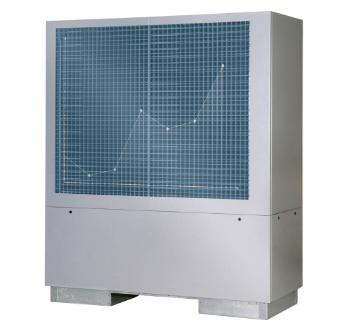
Heat pumps beat boilers in new home tests.
Building Safety Act implementation in Wales

CIAT to host industry panel on 26 June.
New and updated CLC building safety guidance.
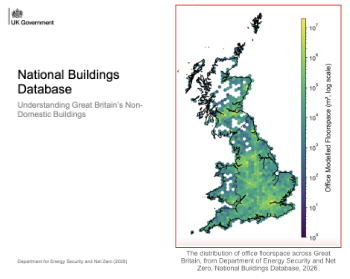
New UK National Buildings Database.
Building Safety Wiki Interviews

Chief executive of the British Woodworking Federation.
Planning condition discharge in England and Wales

A brief explanation from a building compliance expert, with further links.
Overheating guidance and tools for building designers

Guidance for dealing with element of building fabric control that have increasing importance.
Shading for housing, a design guide

From the Good Homes Alliance and British Blind and Shutter Association.