





Oak wood properties
Contents |
Introduction
Considered to be the traditional carving wood, oak is characterised by its strength and sturdiness, with a very defined grain. Consisting of dozens of species of varied colours, white and red oak are typically more common in carving. An extremely popular choice of wood for carving, English Oak is durable and strong, but hard to work with.
Recommended for carvers with a bit of experience, it’s ideal for larger pieces because of its coarse grain. Fine work tends to result in the wood breaking away at the edges, which ruins the design. Suitable for outdoor pieces, it requires adequate treatment to prevent cracking and warping.

White oak
White oak, also known by its scientific name Quercus alba, is a strong and rot resistant wood commonly used because of its cost effectiveness. Very durable and resistant to the environment, it allows for great results when carving, either by hand or with tools. However, its high shrinkage value doesn’t allow for dimensional stability, and in contact with iron, especially if wet, it can become discoloured and stained.
White oak’s heartwood has a light to medium brown colour, and an almost white sapwood that isn’t always well-defined against the heartwood. Its grain is straight and coarse, with an uneven texture. The endgrain is ring-porous and it consists of around two to four rows of large earlywood pores and small latewood pores in a radial arrangement.
Red oak
Also known as Quercus rubra, red oak has a light to medium brown with a reddish tint heartwood, and an almost white to light brown sapwood. The colours alone however, aren’t enough to distinguish red oak from white oak. Red oak has a straight, coarse, and uneven grain with large pores but, unlike white oak, red oak is less resistant to rot and to insects and has a tendency to stain when in contact with water.
Both hand and tool carving techniques are suited ot red oak, although similar to white oak, it has high shrinkage values that mean it may not maintain its dimensional stability. Popular uses include in furniture and flooring due to the wood’s strength and durability.
Oak carving tips
This popular hardwood can be difficult to work with due to how sensitive the grains are to the direction designs are carved in. The hardness can also prove to be challenging for beginners, who should avoid oak wood until more practice and expertise is developed to allow for better control of tools and machinery.
A simple design will allow for better accuracy when carving, as details may be lost due to how difficult oak wood is to carve. Practicing on a spare piece of oak will allow a better assessment of how long the project will take and the level of proficiency required.
Carbon paper is typically used when carving to transfer a design onto the wood, as it eases the initial process and design.
As oak is a hardwood, sharp and efficient tools are required for proper carving.
--G&S Specialist Timber 16:07, 23 Jan 2017 (BST)
Related articles on Designing Buildings
- 11 things you didn't know about wood.
- Ancient Woodland.
- Bamboo flooring.
- Chip carving.
- Confederation of Timber Industries.
- Cross-laminated timber.
- Definition of tree for planning purposes.
- Engineered bamboo.
- European Union Timber Regulation.
- Forest Stewardship Council.
- Oak-Framed Buildings.
- Panelling.
- Pine wood.
- Plywood.
- Programme for the Endorsement of Forest Certification.
- Properties of mahogany.
- Sapele wood.
- Timber.
- Timber preservation.
- Timber v wood.
- Tree preservation order.
- Tree rights.
- Types of timber.
- Walnut.
- Wood ash.
- History and Techniques of Woodturning
- Physical Properties of Wood
- The Properties of Pine Wood
- Wainscoting.
Featured articles
Check out some of the best features and news from Designing Buildings as well as key stories from around the web.
Bridging the gap between clients and contractors

Concerns remain around contractor quality, capability, and delivery.
Construction Management, 10 June.

Heat pumps beat boilers in new home tests.
Building Safety Act implementation in Wales

CIAT to host industry panel on 26 June.

New and updated CLC building safety guidance.
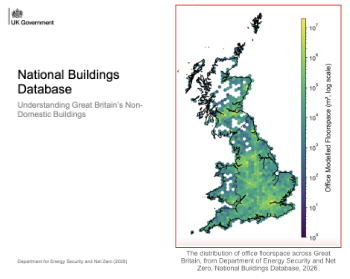
New UK National Buildings Database.
Building Safety Wiki Interviews

Chief executive of the British Woodworking Federation.
Planning condition discharge in England and Wales

A brief explanation from a building compliance expert, with further links.
Overheating guidance and tools for building designers

Guidance for dealing with element of building fabric control that have increasing importance.
Shading for housing, a design guide

From the Good Homes Alliance and British Blind and Shutter Association.
UK Standard Skills Classification (SSC)

A shared framework for describing skills needs.
Social media ban consultation comes to close

CIOB urges UK Government to consider social media’s role in careers guidance in ban debate.